TTDCRUTT 503
Viking Piles On Seven More Ships for Europe-to-Egypt Cruises
Viking adds seven cruise ships to its Europe-to-Egypt itineraries. The expansion extends a direct-to-consumer model that historically leaves travel sellers earning less than at competing lines.
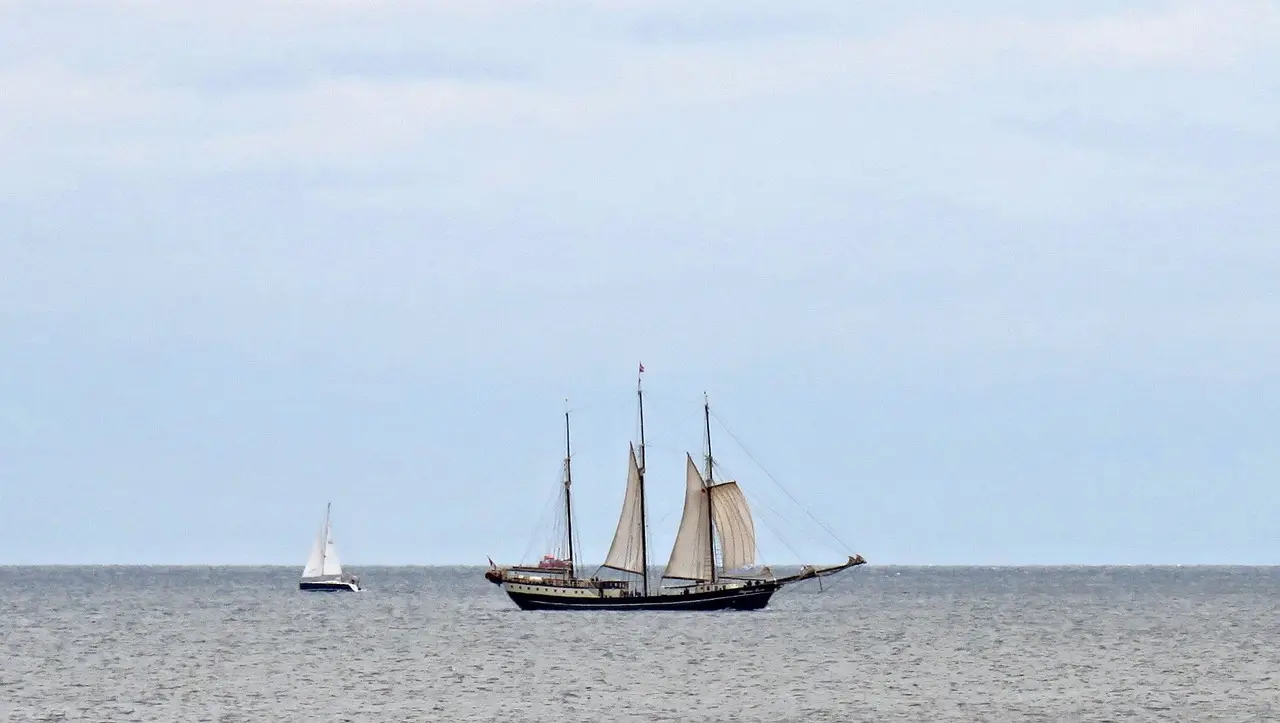
Itinerary
- Viking will deploy seven additional cruise ships on Europe-to-Egypt itineraries.
- The expansion was first reported by The Points Guy.
- Viking markets itself as 'fast-growing,' a descriptor that should be weighed against audited filings rather than press releases.
- Viking's direct-to-consumer sales model limits commission earnings for travel advisors compared with AmaWaterways or Uniworld.
- Nile berth scarcity has supported premium nightly rates for several seasons, and new tonnage may loosen that grip.
Viking will deploy seven additional cruise ships on Europe-to-Egypt itineraries, extending the line's footprint on a corridor where berth supply has lagged demand for several seasons.
The announcement, first reported by The Points Guy, lands under the marketing banner the company has leaned on for years: "fast-growing." Travel sellers should read past the slogan, because the expansion's commercial shape matters more than the headline.
What does seven more ships change for sellers?
Capacity on the Nile and the broader Mediterranean has, for several seasons, lagged demand from North American and European travelers chasing Egypt's antiquities itineraries. Viking's new tonnage eases that squeeze in a corridor where the line already commands the largest single share of cruise berths.
The relief, however, lands unevenly. Viking runs a sales model that favors its own call centers and direct web portal over the agency channel, which means new ships tend to expand the operator's captive booking base rather than the trade's. Travel advisors booking a Viking Nile sailing generally earn a thinner commission than comparable product at AmaWaterways or Uniworld, both of which route more aggressively through outside sellers.
More Viking ships on the route, in other words, means more guests don't get booked through the agency channel. That's the trade consequence hiding behind the press-release.
The Egypt pivot itself is worth a second look. Few cruise lines run a North-Sea-to-Nile pipeline that lets travelers move from Rhine riverboats to Red Sea coastal voyages without switching operators. Viking now effectively does, and that integration rewards the company on both ends of the booking.
How should sellers read the "fast-growing" claim?
The phrase travels well in press releases. It travels less well in audited filings, where the company's growth rate, fleet-order cadence and per-passenger revenue deserve closer inspection. Viking's parent group has, in past financial disclosures, posted revenue growth that outpaced larger competitors — a margin of expansion worth questioning rather than repeating in trade marketing decks.
That growth has come at a capital cost. Viking has ordered vessels at a pace the wider river-cruise sector hasn't matched, and the seven-ship extension continues that build pattern. The risk for the trade: capacity is arriving faster than pricing power.
Egypt's Nile berth scarcity has supported premium nightly rates for several seasons. New tonnage typically loosens that grip, which compresses what advisors can earn on the product they do manage to place. Sellers who've leaned on Viking's Egypt product for premium-margin business should plan accordingly.
What should travel advisors watch next?
Two signals will determine whether the seven new ships read as opportunity or as a further direct-channel push.
The first is class mix. Viking's ocean vessels operate at a different scale than its Nile riverboats, and the revenue per available passenger-night — RevPAN in cruise-industry shorthand — differs sharply between the two formats. A deployment skewed toward smaller riverboats means tighter inventory and higher per-guest revenue. A skew toward ocean tonnage means the opposite.
The second is the agency commission schedule on the new tonnage. Viking has historically held rates steady even when adding capacity, but a flood of new berths in one corridor can be the moment that changes. Sellers with Egypt-heavy books should ask their consortia whether Viking's standard agency payout is holding.
For now, the operator gets the headlines and the guests, and the trade gets the overflow. Whether that balance shifts depends on whether Viking treats Egypt as a market expansion or as a direct-booking trophy.
via Google News: Cruise industry (Source)
More from Daniel Okafor
Show full bio
Market editor covering technology and product news in Tourism industry coverage for trade professionals at Travel Trade Desk.
410 articles
Also boarding · Related articles
- VIK03:10
Viking's Sekhmet Joins Nile Fleet as River Buildout Targets 114 Ships
- VIK13:50
Viking Orders Seven More Cruise Ships as River Giant Keeps Expanding
- VIK11:20
Viking Takes Delivery of River Ship Rota, Chases Fleet of 114 by 2028
- VIK03:14
Viking Taps Seven Travel Advisors as Ship Godparents
- EXP17:35
Explora Journeys Signs Deal to Enter River Cruising