TTDCRUTT 461
Galveston Aims to Manage Cruise Growth Beyond Its Road Bottlenecks
The Port of Galveston is confronting traffic congestion as cruise industry expansion strains road access, with officials planning beyond the jams to protect the port's Gulf homeport position.
Itinerary
- The Port of Galveston is grappling with traffic congestion as cruise operations expand.
- Port officials say they are looking beyond immediate jams toward longer-term planning for cruise growth.
- Road infrastructure has become the key constraint on a port that has otherwise grown its cruise business.
The Port of Galveston is wrestling with the operational limits of its own success, as cruise industry expansion puts pressure on the road infrastructure serving one of the Gulf Coast's busiest cruise gateways.
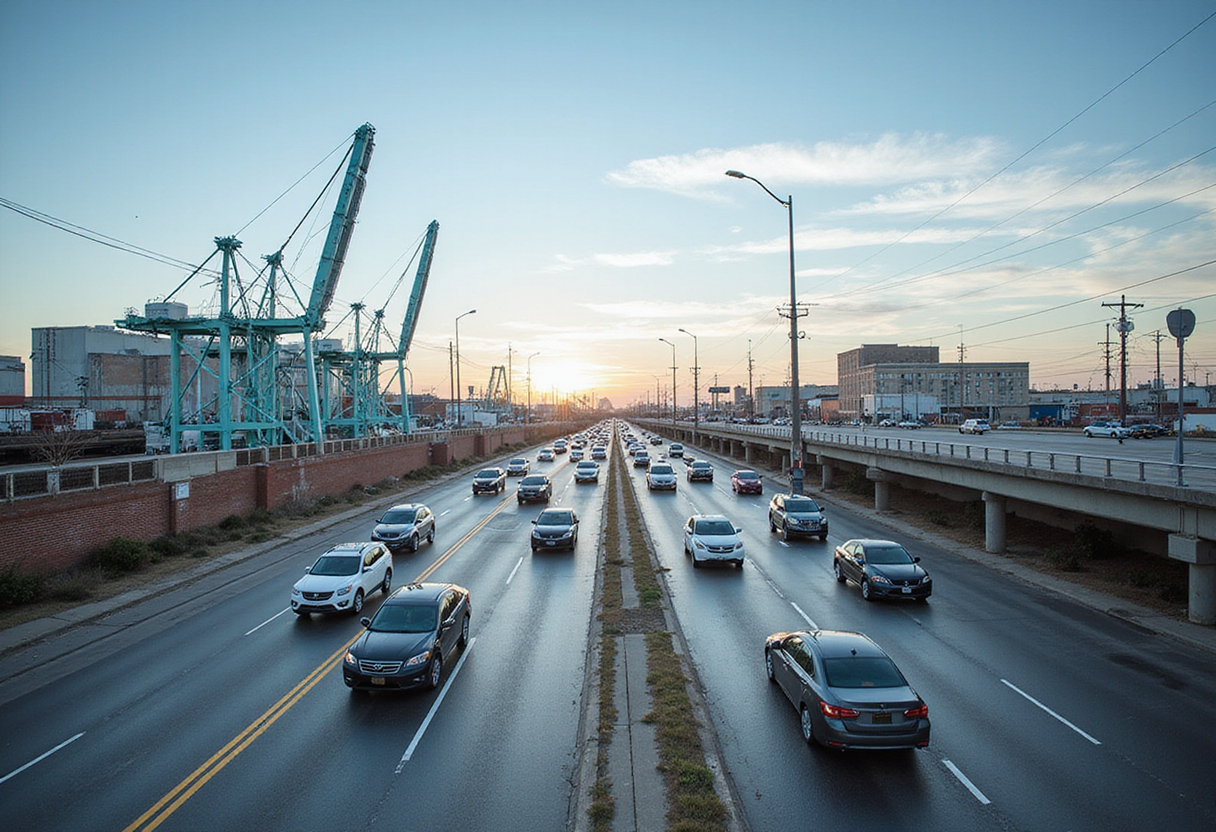
The central problem is traffic. Vehicle congestion around the port's cruise terminals has become the pinch point in an otherwise growing operation, and port officials are now looking past the jams toward solutions that can keep pace with the industry's expansion plans, according to The Daily News of Galveston County.
For sellers of cruise travel, the stakes are straightforward. Galveston is a homeport market, and the guest experience begins and ends at the curb. Embarkation-day gridlock translates directly into pre-cruise friction that agents and operators must manage, from missed transfer windows to complaints that color post-sailing reviews.
The port's response comes as cruise lines continue to commit capacity to Texas. Galveston has spent recent years adding terminal capacity to attract larger vessels, and the industry's expansion there shows no sign of slowing. Each additional ship call multiplies the number of vehicles, buses, rideshares and supply trucks converging on a constrained road network on turnaround days.
Infrastructure is the hard constraint. Unlike terminal buildings, which ports can expand on their own footprint, road access depends on municipal and state systems that move on different timelines and different budgets. That gap between private-side growth and public-side capacity is the classic problem for homeport markets, and it is now Galveston's problem to solve.
Port officials say they are working to look beyond the immediate traffic snarls and plan for the longer arc of cruise expansion. The specifics of those plans — whether they involve redesigned pickup and dropoff flows, additional staging capacity, or coordination with local authorities on road improvements — will determine whether Galveston can sustain its position as a competitive Gulf homeport.
The competitive context matters. Homeports compete on the full cost and friction of the passenger journey, not just on berth availability. A port that adds ships faster than it adds curb capacity risks pushing cruise lines toward alternative Gulf gateways and pushing drive-market passengers toward ports where getting to the ship is easier.
What happens next at Galveston will be worth watching for anyone selling cruises in the Texas and broader drive markets of the South and Southwest. How the port balances terminal growth against its traffic constraints will shape both the passenger experience and the port's ability to hold onto the cruise capacity it has won.
via Google News: Cruise industry (Source)
More from Grace Kim
Also boarding · Related articles
- GAL24:55
Galveston Wharves Board Tightens Grip on Fifth Cruise Terminal Talks
- TEX01:05
Texas Cruise Lines Pivot to Shorter Itineraries
- GAL23:58
Galveston Wharves Board Moves to Take Control of Cruise Terminal Talks
- TEX02:05
Texas Courts Cruise Lines Chasing 'Fresh Wallets'
- POR11:30
Port of Palm Beach Commits $43 Million to Cruise Upgrades