TTDCRUTT 541
Texas Cruise Lines Pivot to Shorter Itineraries
Cruise lines sailing from Texas are deploying more short itineraries from Galveston, reshaping commission economics and pre-cruise ancillary demand.
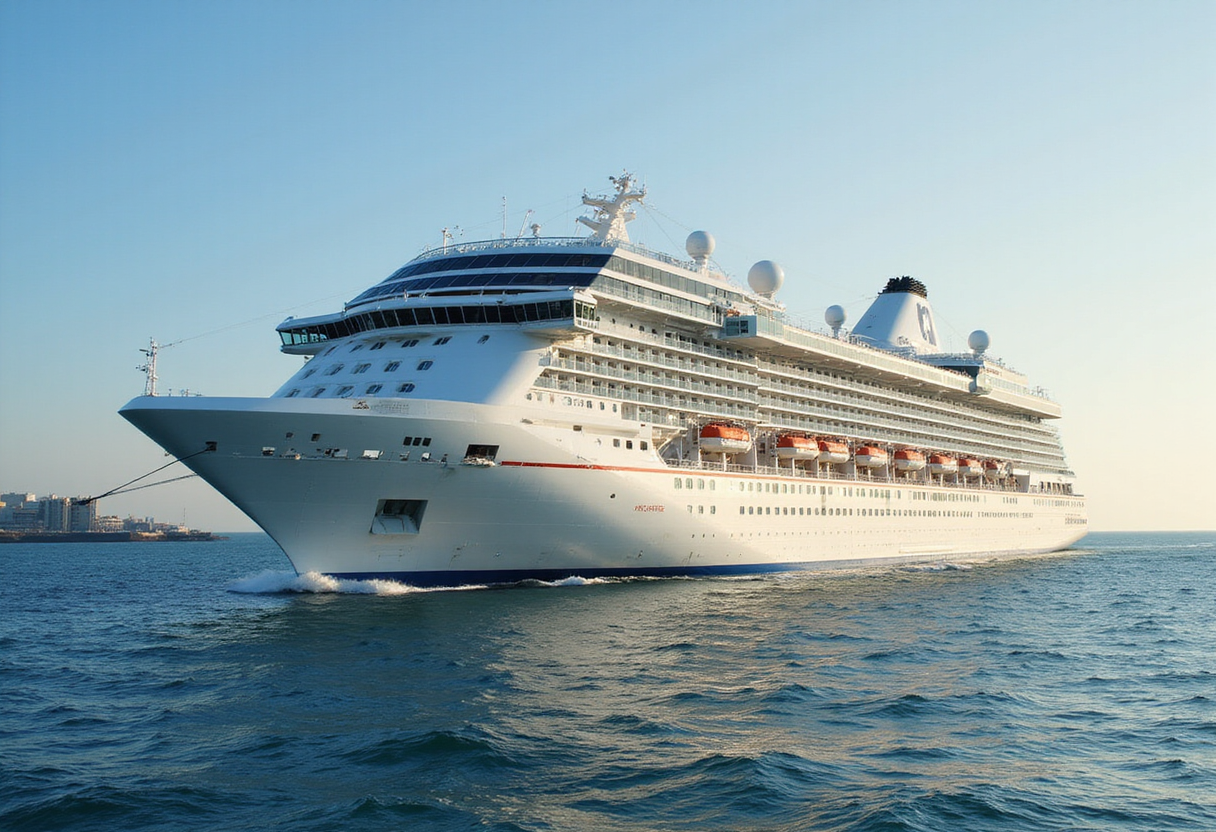
Itinerary
- Major cruise lines serving Texas are shifting capacity toward shorter itineraries
- Galveston is the central embarkation port for the Texas cruise market
- Shorter sailings lower ticket prices and compress per-booking commission dollars for sellers
Major cruise lines operating from Texas are shifting capacity toward shorter itineraries, a deployment change that alters what sellers of cruise travel from the Gulf market can package and sell.
The shift, reported by Chron, centers on cruise lines serving Texas, with Galveston as the key embarkation port. Shorter cruises — typically three to five nights rather than week-long sailings — are becoming the dominant format for lines serving the state.
For travel sellers, the change matters on several fronts. Shorter itineraries carry lower total ticket prices, which compresses per-booking commission dollars even when occupancy holds steady. They also open the Texas cruise market to a broader customer base: travelers who cannot take a full week off work, first-time cruisers testing the product, and families constrained by school calendars.
The move also reshapes port economics. Shorter sailings turn ships around more frequently, increasing the number of embarkations handled at Galveston per ship per month. That raises the volume of pre-cruise hotel nights, transfers, and parking revenue in the Houston-Galveston corridor — ancillary categories travel advisors and package sellers can target.
The Caribbean remains the destination anchor for these shorter itineraries, with ships calling at ports reachable within a few days' sailing from the Gulf. Lines serving Texas have invested heavily in Galveston capacity in recent years, and the port has expanded its terminal infrastructure to accommodate larger vessels.
The strategic logic tracks broader industry patterns. Carnival, Royal Caribbean, and other major operators have pushed shorter sailings across multiple homeports as they court newer, younger cruisers and fill ships at higher frequency. Texas, one of the largest drive-to cruise markets in the United States, amplifies that strategy because a large share of passengers arrive by car rather than air, making a short getaway an easier sell than a week-long commitment.
The risk for operators is yield dilution: shorter cruises can mean more per-passenger revenue per day but less total spend onboard, since passengers have fewer sea days to buy drinks, spa treatments, and shore excursions. Whether the Texas shift reflects measured booking-strength data or a projection of demand that has not yet materialized remains the open question the lines have not answered publicly.
For now, sellers of travel should expect the Texas cruise inventory to skew shorter through the coming deployment cycles, with Galveston-based ships cycling more passengers through fewer nights at sea.
via Google News: Cruise industry (Source)
More from Tom Whitfield
Show full bio
Staff writer covering media and advertising at Travel Trade Desk.
101 articles
Also boarding · Related articles
- GAL24:55
Galveston Aims to Manage Cruise Growth Beyond Its Road Bottlenecks
- GAL24:55
Galveston Wharves Board Tightens Grip on Fifth Cruise Terminal Talks
- TEX02:05
Texas Courts Cruise Lines Chasing 'Fresh Wallets'
- GAL23:58
Galveston Wharves Board Moves to Take Control of Cruise Terminal Talks
- BUS16:53
Busan Logs 8 Overnight Cruise Calls as Port Shifts From Transit to Stay