TTDCRUTT 532
Seatrade Cruise Med Draws 2,000+ Cruise Executives to Las Palmas
Seatrade Cruise Med drew more than 2,000 cruise industry professionals to Las Palmas, putting the Canary Islands host in front of the itinerary and procurement decision-makers.
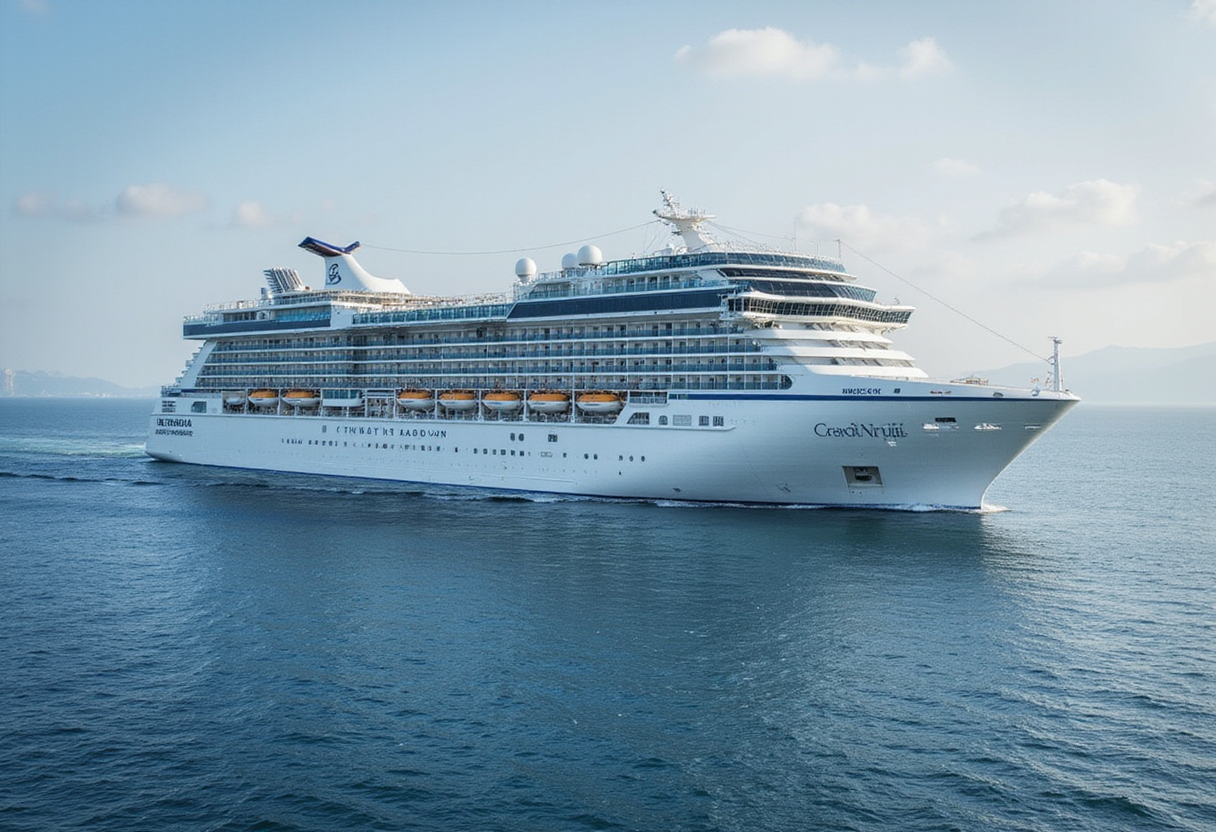
Itinerary
- Seatrade Cruise Med took place in Las Palmas, Gran Canaria
- The event attracted more than 2,000 cruise industry professionals
- Seatrade Cruise Med serves as the key trade event for the Mediterranean cruise market
More than 2,000 cruise industry professionals convened in Las Palmas for Seatrade Cruise Med, the sector's flagship trade event for the Mediterranean and surrounding cruise markets.
The gathering brought cruise line executives, port authorities, ship agents, tour operators and destination representatives into a single venue over several days of meetings, product showcases and negotiations. For suppliers of shore excursions, port services and destination products, the event functions as a concentrated sales window: contracts and partnerships that shape the coming seasons' itineraries are initiated or advanced on the exhibition floor.
Host city Las Palmas, on Gran Canaria, sits within the Canary Islands, a year-round cruise market that ports across the region have pushed as an alternative shoulder-season and winter deployment zone for lines seeking to diversify beyond the saturated Mediterranean summer. Hosting the event placed the destination in front of exactly the decision-makers — itinerary planners, deployment executives and procurement leads — who determine where ships call and how passenger spend is distributed on the ground.
The scale of the delegate count matters for the host economy in its own right. An event of this size fills hotel room nights, meeting space and local services during a period when business travel demand is a revenue pillar for island destinations balancing leisure seasonality.
For travel sellers, the significance of an event like Seatrade Cruise Med lies less in the announcements than in the structure of the relationships it sustains. Cruise distribution depends on long lead times: port calls are locked in years ahead, excursion programs are contracted season by season, and destination marketing organizations compete for a share of passenger spend that lines control through their packaged offers. Trade gatherings compress those negotiation cycles.
The Mediterranean remains the world's second-largest cruise market by capacity after the Caribbean, and competition among its ports has intensified as lines rotate ships toward higher-yielding itineraries. Ports and DMOs that fail to maintain visibility at events like this one risk losing calls to rivals with more aggressive commercial terms or better-developed shore product.
Organizers have positioned Seatrade Cruise Med as the sector's principal meeting point for the region, and the delegate figure above 2,000 indicates sustained industry appetite for in-person dealmaking after several years in which the event calendar was disrupted.
Whether Las Palmas converts its turn as host into measurable gains — additional port calls, longer passenger dwell time, higher excursion attach rates — will show up in the destination's cruise arrival statistics over the seasons that follow the event.
via Google News: Cruise industry (Source)
More from Grace Kim
Also boarding · Related articles
- SEA24:55
Seatrade Cruise Med's Las Palmas Debut Draws Local Industry Praise
- CEL15:28
Celestyal Holds Its Advisor Line While Cruise Distribution Tightens
- CRU17:53
Cruise Line Breaks Ground on New Bahamas Private Island
- CEL10:35
Celebration Key Targets 3.5 Million Guests as Four Brands Call
- POR08:53
PortMiami Logs 10 Millionth Cruise Passenger as Volume Milestone