TTDCRUTT 387
Royal Caribbean Bases 7 Ships in Europe for Year-Round Season
Royal Caribbean deploys seven ships to Europe for its first all-year season, ending summer-only deployment and opening 12-month commissionable inventory for agents.
Itinerary
- Royal Caribbean is sending 7 ships to Europe for its first all-year season
- The move ends the operator's traditional summer-only European deployment
- Year-round operation puts Royal Caribbean in direct winter competition with MSC and Costa in the Mediterranean
- European itineraries will generate commissionable inventory across all four quarters for agents and OTAs
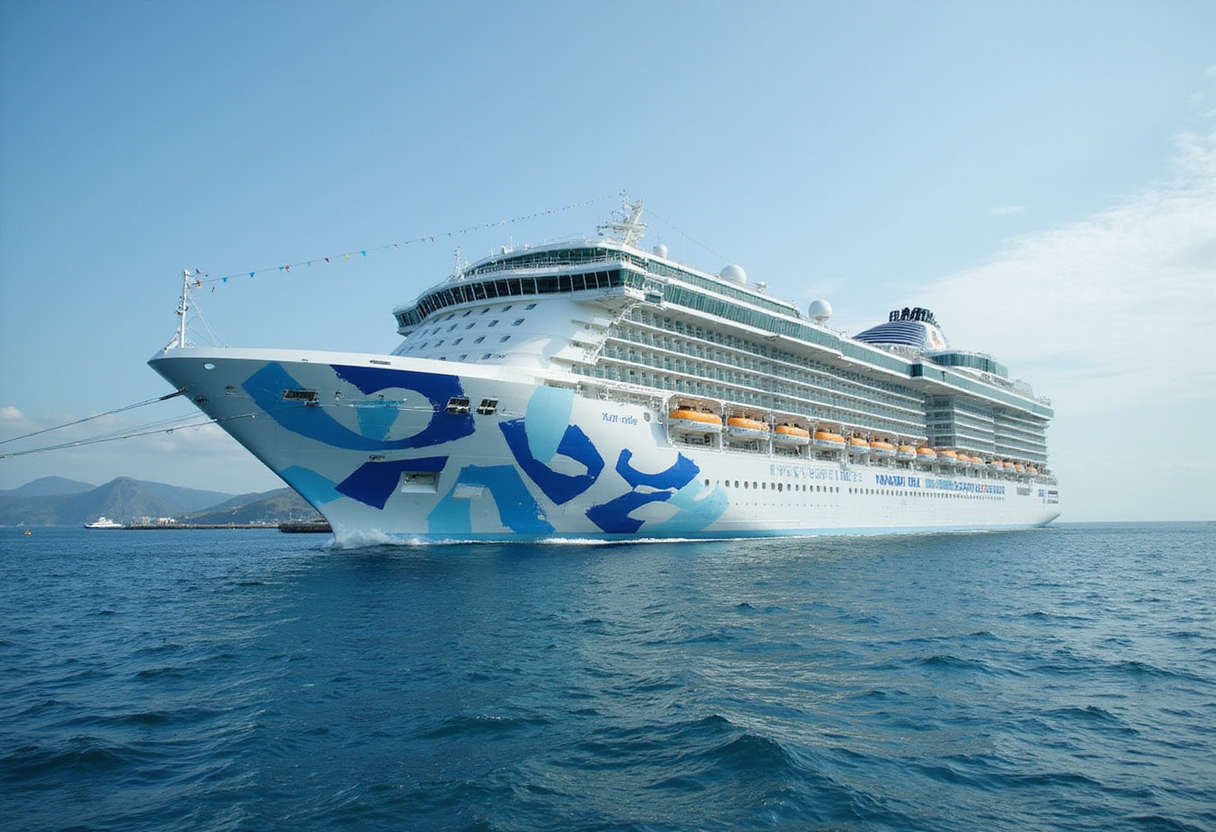
Royal Caribbean will station seven ships in Europe for its first all-year season, ending the industry's default habit of sailing the continent only when the weather cooperates. For travel sellers, that changes what a European cruise is: a product you can pitch in November, not just June.
The move is a deployment shift with distribution consequences. Agents and OTAs selling Royal Caribbean in Europe have historically worked around a compressed selling window — ships reposition to the Caribbean or elsewhere after the summer, and European inventory goes quiet. A permanent presence stretches the booking curve across all four quarters.
What changes for sellers of travel?
Seven vessels staying put means European itineraries generate commissionable inventory 12 months a year. That matters for agencies that have built cruise businesses on shoulder-season pricing, where margins per booking are thinner but volume holds up.
It also matters for the competition. MSC Cruises and Costa Cruises, both with strong European roots, already run year-round Mediterranean operations. Royal Caribbean joining them turns a two-player winter market into a three-player one, which usually means price competition — good for consumers, harder on yield (the revenue a ship earns per berth, per day).
A measured bet, not a moonshot
Seven ships is a meaningful allocation, but it is a measured one relative to Royal Caribbean's global fleet, which spans well over two dozen vessels across its brands. The company is committing capacity, not the whole balance sheet. If European winter demand disappoints, the redeployment cost is real but survivable.
The claim to interrogate is demand. Year-round Mediterranean cruising works for MSC because it's a household name in Italy, France and Spain. Royal Caribbean's brand strength skews Anglophone and North American. Winter sailings will lean on fly-cruise packages (air plus ship sold together), which raises the marketing burden on both the operator and its retail partners.
Why now?
Cruise lines emerged from the post-pandemic recovery with fuller ships than expected, and operators have been pushing seasonal boundaries ever since — longer seasons, more homeports, more exotic winter deployment. Europe as a 365-day cruise market is the logical next step for a company with newbuilds to fill and shareholders who prefer full berths to empty ones.
For DMOs in port cities, the arithmetic is straightforward: winter calls mean off-season visitor spend at a time when city hotel occupancy typically sags. Expect port authorities and tourism boards to court the line's winter itineraries aggressively.
The seven-ship commitment is the fact on the table. Whether European travelers book winter cruises at prices that protect Royal Caribbean's yields is the question the 2025-26 shoulder seasons will answer.
via Google News: Cruise industry (Source)
More from Daniel Okafor
Show full bio
Market editor covering technology and product news in Tourism industry coverage for trade professionals at Travel Trade Desk.
379 articles
Also boarding · Related articles
- ROY03:15
Royal Caribbean Opens 2028-29 Europe Cruise Bookings
- ROY15:23
Royal Caribbean Steps Up Expansion With New Ships and Destinations
- ROY01:15
Royal Caribbean Signals a Big Europe Shift for 2028
- EUR03:10
Europe Cruise Demand Anchors Sunny Summer Trade Outlook
- SIL02:50
Silversea Opens 103 Voyages Across 2028-2029, Pushing Luxury Cruise Booking Window to Four Years