TTDCRUTT 756
Royal Caribbean Steps Up Expansion With New Ships and Destinations
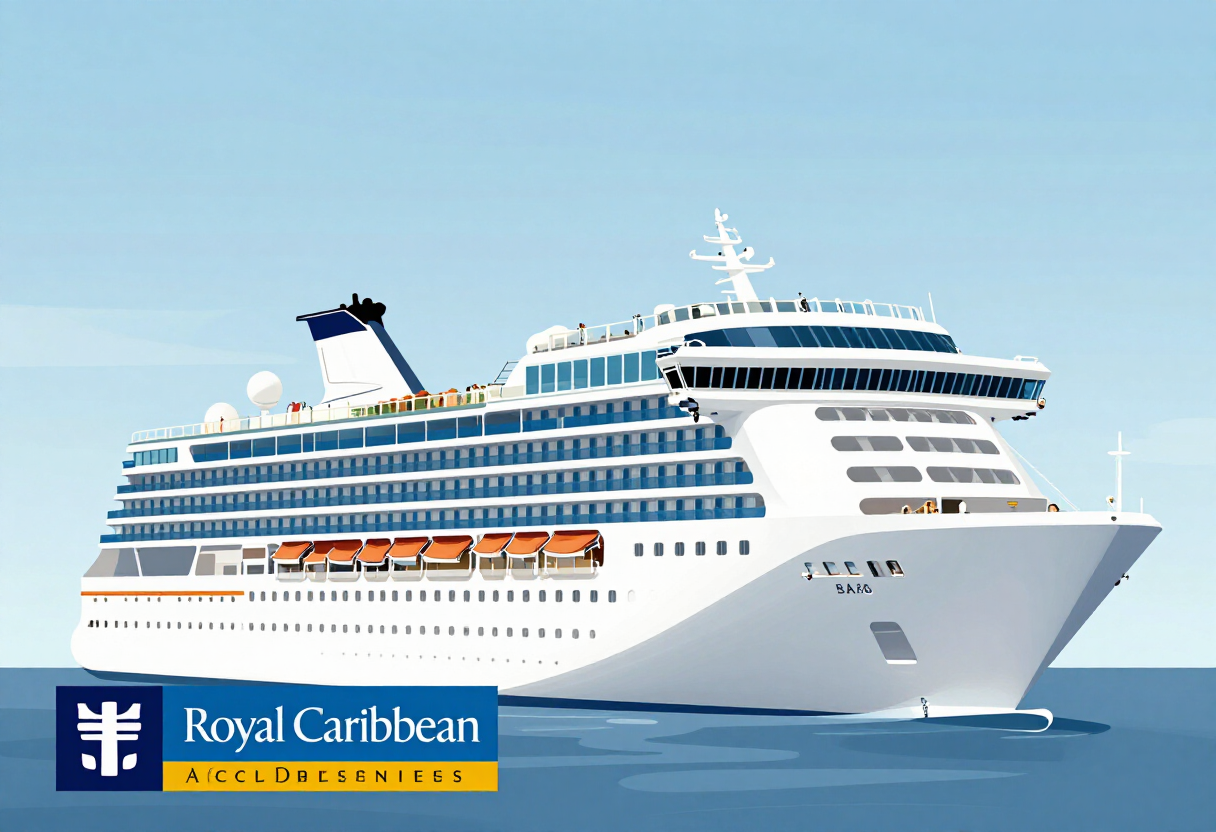
Royal Caribbean is accelerating expansion across ships, destinations and experiences, resetting inventory, itinerary maps and ancillary revenue opportunities for travel sellers.
Itinerary
- Royal Caribbean is accelerating expansion with new ships, new destinations and new experiences.
- New tonnage resets cabin inventory and opens promotional and packaging opportunities for trade sellers.
- Controlled destinations shift shore-excursion margin in-house, affecting third-party excursion revenue.
Royal Caribbean is pressing ahead with a faster expansion cycle, adding new ships, destinations and onboard experiences as it works to convert capacity growth into booking momentum.
The cruise operator's push spans three fronts that matter directly to travel sellers: more hardware entering the water, more places that hardware can call on, and more paid experiences layered onto the core fare. Each of those levers changes what agents, tour operators and online sellers can package — and at what price point.
Why new ships matter to distribution. Every newbuild that enters service resets the inventory equation. More cabins mean more berths to fill across peak and shoulder seasons, which typically translates into wider fare tiers, more promotional windows and more air-sea and pre-cruise hotel attach opportunities for retailers. Royal Caribbean's decision to accelerate rather than slow its order book signals confidence that demand — which has run ahead of supply in the post-pandemic cruise recovery — will keep absorbing new tonnage.
For sellers, that is a double-edged calculation. Fresh ships command premium pricing in their first seasons, particularly around maiden voyages and inaugural itineraries that generate strong early booking curves. At the same time, the displaced older tonnage frequently migrates to new homeports or secondary markets, opening product lines in regions where cruise supply was previously thin.
Destinations as margin drivers. New destinations are the second leg of the strategy, and the one with the clearest revenue logic. Private-port and destination developments shift passenger spend from third-party shore operators toward experiences the line controls, capturing excursion, dining and retail margin in-house. For travel agents, controlled destinations simplify the selling conversation but can compress third-party shore-excursion revenue, since the highest-margin land products are increasingly sold by the line itself.
Destination announcements also reset itinerary planning. When an operator opens a new port or private facility, it redraws Caribbean, Mediterranean or regional deployment maps, forcing sellers to re-educate clients and repackage offers around the new calling cards.
Experiences widen the fare envelope. The third element — new onboard experiences — functions as an upsell engine. Attractions, dining concepts and entertainment added across the fleet give sellers more attach points per booking and give the line more ancillary revenue per passenger, a metric cruise companies increasingly manage as closely as ticket yield. Every added experience broadens the gap between base fare and total spend, which is where much of the category's profit growth now sits.
What to watch. The open questions are execution and pacing. Accelerated expansion only pays if deployment matches demand by region and season; excess capacity in the wrong homeport shows up quickly as discounting, which erodes both the line's yield and agents' commission value. Sellers will also be watching how new-ship inventory is allocated across direct channels versus trade distribution, as cruise lines continue to push toward direct booking while still relying on agents for a substantial share of filled berths.
Royal Caribbean has framed the expansion around growth in ships, destinations and experiences. The trade's task over the coming booking cycles is to track whether each new tonnage delivery and destination opening translates into incremental, full-fare demand — or into inventory that has to be bought back with discounting.
via Google News: Cruise industry (Source)
More from Daniel Okafor
Show full bio
Market editor covering media and advertising at Travel Trade Desk.
118 articles
Also boarding · Related articles
- CAR23:38
Carnival Tropicale's Maiden Season Draws Early Trade Attention
- CAR13:53
Carnival Reshapes Dining and Fleet Plans as Passenger Habits Shift
- ROY23:38
Royal Caribbean Delays One of World's Largest Cruise Ships
- ANA16:53
Analysts Upgrade Royal Caribbean Days Before Carnival Earnings
- BOF14:53
BofA Upgrades Royal Caribbean to Buy, Sets $330 Target