TTDCRUTT 161
Royal Caribbean and MSC Group to Build Joint Cruise Terminal in Japan
Royal Caribbean and MSC Group will jointly develop a new cruise terminal in Japan, consolidating berth allocation for sellers packaging Japanese cruise itineraries.
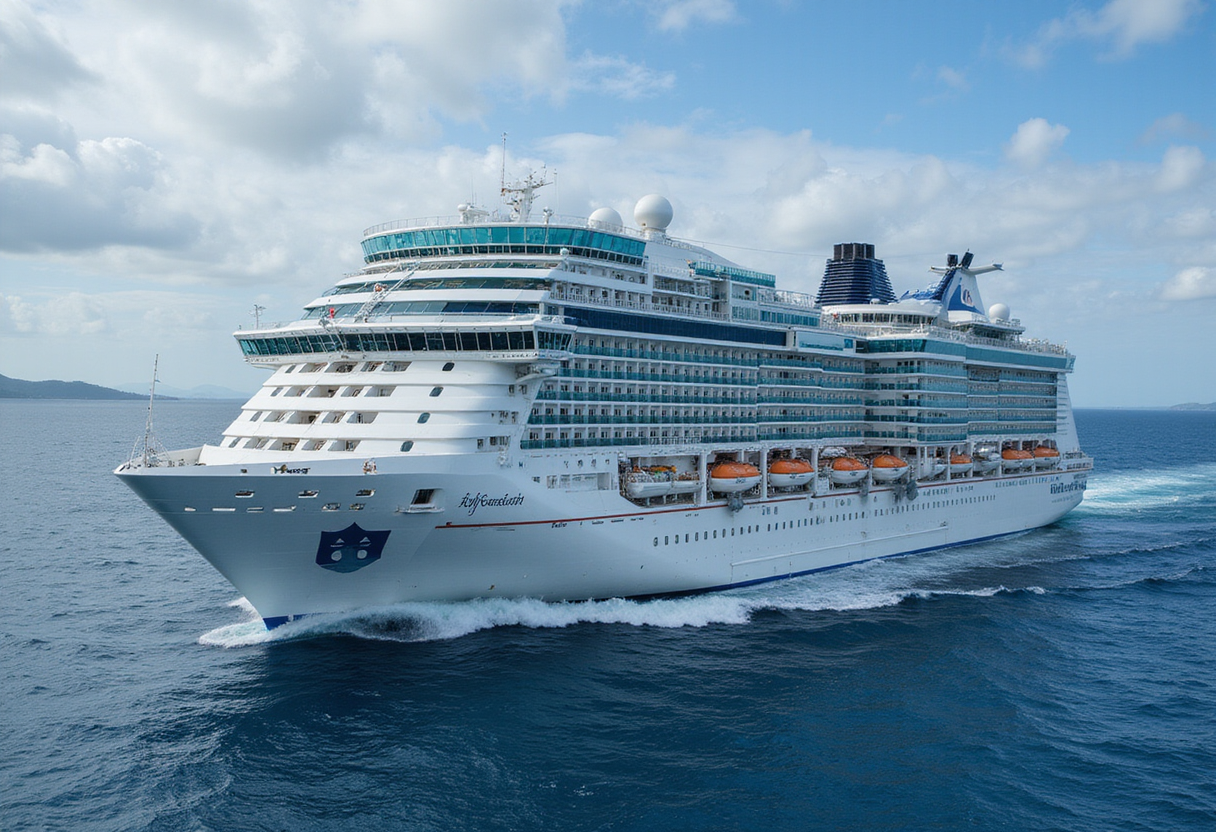
Itinerary
- Royal Caribbean and MSC Group will jointly develop a new cruise terminal in Japan, per TravelPulse.
- Royal Caribbean Group carries roughly a fifth of the global cruise market by passengers.
- MSC Cruises is a Geneva-based, family-owned operator that has added capacity faster than any line over the past decade.
- Japan's main cruise ports — Yokohama, Kobe and Fukuoka — currently rely on converted container berths rather than dedicated cruise facilities.
- Neither operator has disclosed the project's budget, port city, berth count, or opening date.
Royal Caribbean and MSC Group will jointly develop a new cruise terminal in Japan under a partnership reported by TravelPulse — the first disclosed multi-line terminal project between the two operators in Asia and one that consolidates berth allocation for sellers packaging Japanese itineraries.
The agreement links Royal Caribbean Group, which carries roughly a fifth of the global cruise market by passengers, with MSC Cruises, the Geneva-based, family-owned line that has added capacity faster than any operator over the past decade. A jointly built terminal gives both lines priority access to berthing slots in a country where port infrastructure has historically constrained ship size.
What changes with a purpose-built terminal?
Japan lacks dedicated post-Panamax cruise infrastructure. Most ship calls in Yokohama, Kobe and Fukuoka rely on converted container berths or shared passenger facilities, which cap the vessel classes that can reliably turn around in port. A dedicated facility removes that ceiling and lets both operators schedule larger ships year-round rather than seasonally.
For travel sellers, that translates to more cabin inventory on Japan deployments — capacity that has been rationed since the country reopened to international cruises after the pandemic.
How does it shift distribution economics?
Commissionable cruise product moves through three pipelines at any port: the cruise line itself, contracted shore excursion operators at the berth, and pre- and post-cruise land suppliers. Concentrating two major brands at a single terminal compresses all three revenue streams into one location.
Travel advisors packaging Japan cruises gain a single berth-availability window for cabin allocations across both lines. Tour operators building pre-cruise Tokyo or Kyoto land stays benefit from a unified arrival and departure point for Royal Caribbean and MSC guests.
What should travel sellers monitor?
The deal's commercial weight will hinge on three upcoming disclosures:
- Berth capacity and handling specs — how many ships can turn around simultaneously, and what vessel classes the terminal can accept
- Third-party access — whether the facility opens exclusively to the two partners or allocates slots to other lines
- First sailing date — the timeline that will determine how quickly additional inventory reaches the market
Royal Caribbean and MSC have not disclosed the project budget, the Japanese port city, or the operating entity behind the terminal.
What does it signal for the wider market?
Joint terminal development mirrors a pattern already established in Barcelona, where cruise lines have pooled investment to manage berth scarcity and stabilize port fees. The Royal Caribbean-MSC project could set the template for similar facilities in Tokyo Bay and at other Japanese ports where multiple lines currently compete for limited berth windows.
For sellers, the underlying logic is familiar: when two major operators share a chokepoint asset, they typically negotiate better port fees in exchange for guaranteed throughput — savings that can flow into agent commission tiers or promotional pricing.
Forward look
Until the partners disclose a port location, a berth count, and an opening date, the deal's revenue impact for sellers remains theoretical. The next concrete data points will come from Japanese port authority filings and the first published sailing schedules for the new facility.
via Google News: Cruise industry (Source)
More from Elena Vasquez
Show full bio
News editor covering marketplaces and e-commerce at Travel Trade Desk.
293 articles
Also boarding · Related articles
- COM02:44
Competing Cruise Lines Will Jointly Build a New Terminal in Japan
- JAP02:54
Japan Cruise Demand Climbs as Major Lines Add Asia Capacity
- MSC03:14
MSC and Royal Caribbean Break Ground on Naha Cruise Terminal
- CON13:53
Construction Underway on More Giant Cruise Ships
- POR11:30
Port of Palm Beach Commits $43 Million to Cruise Upgrades