TTDCRUTT 177
River Cruises Gain as Travelers Shift From Ocean Mega-Ships
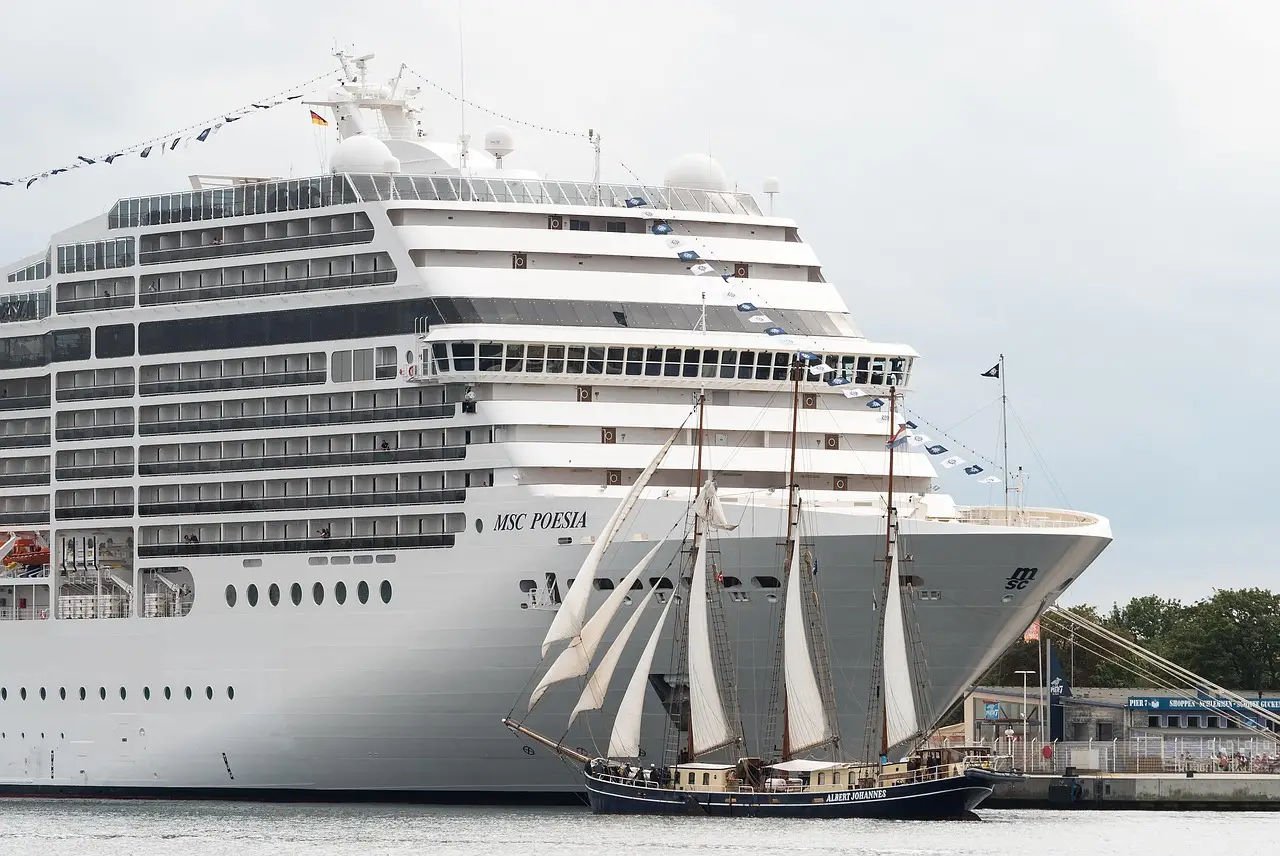
Travelers are trading ocean mega-ships for boutique river cruises, shifting revenue, commissions and inventory pressure across the cruise distribution chain.
Itinerary
- Travel Daily Media reports river cruising is booming as travelers trade ocean mega-ships for boutique trips
- River vessels typically carry 100–200 passengers versus 5,000-plus on the largest ocean ships
- The shift transfers demand between cruise segments rather than expanding total cruise volume
- River product's constrained inventory reduces discounting pressure compared with mass-market ocean fares
Travelers are moving from ocean mega-ships to boutique river cruises, and the shift is showing up in booking behavior rather than in marketing decks, Travel Daily Media reports.
The headline claim is blunt: river cruising is booming while consumers trade mega-ship volume for small-scale, destination-dense inland itineraries. For sellers of travel, that demand transfer matters more than the trend itself — river product carries different commission structures, shorter booking windows and a customer profile that skews older, higher-income and repeat-heavy.
What does the shift change for sellers?
River vessels typically carry between 100 and 200 passengers against the 5,000-plus capacity of the largest ocean ships, and that capacity constraint shapes the economics of every booking. Limited berths mean limited inventory, tighter allocation and less discounting pressure than the mass-market ocean segment, where fare wars remain a recurring feature.
For agents and tour operators, the practical consequences are:
- Higher average fares per passenger on river product than on comparable ocean sailings
- Commissions that depend on securing space early in a constrained inventory pool
- A repeat-guest base that operators can remarket directly, compressing third-party distribution
Who is exposed on each side of the trade?
The losers in this demand rotation are the mass-market ocean chains that built their model on scale — the mega-ship operators whose fixed costs require full vessels at volumes river boats simply do not need. The gainers are the established river lines and their distribution partners, who can price against scarcity rather than against excess capacity.
The pattern also fits the broader post-pandemic preference for smaller crowds and longer port calls. River itineraries put passengers in town centers daily, which shortens the excursion monetization loop and hands local suppliers a larger share of on-trip spend.
How solid is the boom claim?
The report frames the trend at the level of traveler behavior, not audited occupancy data. Operators in the river segment have reported strong forward bookings across recent seasons, but any single operator's growth figure should be read against fleet capacity additions — a new vessel can manufacture percentage gains without underlying demand moving.
Buyers and analysts should separate three things that often get bundled into one narrative:
- Measured demand, such as booked passengers and occupancy
- Capacity growth, which can inflate headline revenue without yield gains
- Mix shift, where the same traveler trades one product for another rather than adding a second trip
The current story is strongest on the third point: consumers substituting boutique river trips for mega-ship holidays, which transfers revenue between segments rather than expanding the total cruise market.
What comes next?
If the substitution holds, expect river operators to keep ordering tonnage while ocean mass-market lines chase the same premium customer with smaller, destination-focused ships of their own.
via Google News: Cruise industry (Source)
More from Tom Whitfield
Show full bio
Staff writer covering technology and product news in Tourism industry coverage for trade professionals at Travel Trade Desk.
467 articles
Also boarding · Related articles
- OCE14:35
Ocean Brands Keep Wading Into River. The Trend Isn't a Coincidence
- RIV15:25
River Cruise Operators Report Mixed Bookings as Water Levels Stay Low
- RIV10:30
River Cruise Lines Face Low-Water Risk as 21 New Ships Arrive in 2027
- RIV23:05
River Cruise Capacity Grows as Europe's Rivers Run Low
- RIV01:13
River Tourism Builds Demand While Infrastructure Stays Behind