TTDCRUTT 158
Ocean Brands Keep Wading Into River. The Trend Isn't a Coincidence
Another ocean cruise line is moving into river cruising, and the pattern points to a structural shift in how cruise inventory gets built, sold and commissioned.
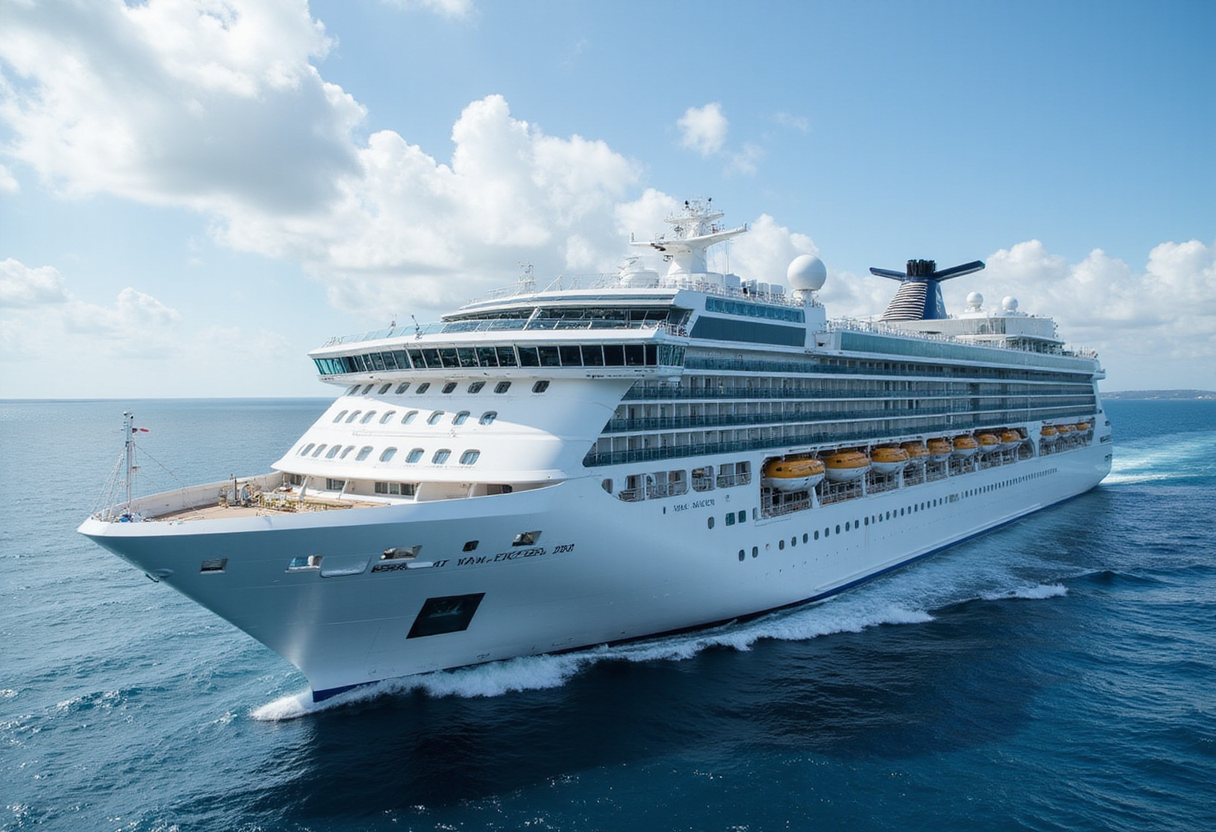
Itinerary
- Another ocean cruise line has confirmed a move into river cruising, per Travel Weekly
- River cruising typically operates small ships of 100-200 guests on inland waterways
- Travel Weekly raises the open question of whether more ocean lines will follow
- River capacity is constrained by shipyard slots and berthing, favoring early movers
Another ocean cruise line has confirmed it is moving into river cruising. That's the headline, and in the current market it's less a surprise than a pattern looking for more followers.
The trade publication Travel Weekly, which broke the item, frames the obvious next question in its own title: will there be more? For sellers of travel, that question is really about shelf space and commission mix, not scenery.
Why are ocean brands crossing into river?
River cruising (small-ship cruising on inland waterways, typically 100-200 guests) gives ocean lines three things they can't easily build at sea: younger first-time cruisers, higher-yield European itineraries, and a product that sells well to customers who've already exhausted megaship routes. It's a retention tool dressed as an expansion.
There's also the distribution angle. Ocean lines already own the customer relationship, the loyalty database and the trade partnerships. Pushing that audience into a river product costs far less than acquiring river customers from scratch — the same logic that pushed hotel groups into apartment rentals.
What does it mean for travel sellers?
For agents and tour operators, each ocean-to-river crossover does two things:
- Adds sellable inventory in a category where supply is constrained by shipyard capacity, not demand
- Shifts commission conversations toward bundled ocean-plus-river bookings, which tend to hold higher total transaction value
The risk sits with the incumbents. Established river specialists have spent decades building destination expertise and trade loyalty. An ocean giant arriving with a ready-made mailing list changes the pricing dynamics in a segment that has so far avoided the discounting culture of the Caribbean.
Is this the start of a wave?
Travel Weekly's question — will there be more — is the right one, and the honest answer is that the barriers keep falling. Shipbuilding slots, crewing and berthing infrastructure on rivers like the Danube and Rhine are finite, so early movers lock in capacity that latecomers will have to wait years to match. Capacity, not concept, is the moat.
Expect more ocean brands to test the waters, likely through charters or partnerships before committing to newbuilds. The trend has moved from speculative to structural, and the next twelve months of ordering activity should tell us whether river becomes a standard line in every major cruise portfolio.
via Google News: Cruise industry (Source)
More from Daniel Okafor
Show full bio
Market editor covering technology and product news in Tourism industry coverage for trade professionals at Travel Trade Desk.
367 articles
Also boarding · Related articles
- SCE16:30
Scenic Adds Two Hires to UK Trade Sales Team
- RIV10:30
River Cruise Lines Face Low-Water Risk as 21 New Ships Arrive in 2027
- RIV01:13
River Tourism Builds Demand While Infrastructure Stays Behind
- RIV24:08
River Cruise CEOs Confront Low Water and Operating Risks
- RIV16:39
Riviera Travel Taps Donna Kurtz as MICE Sales Director for North America