TTDCRUTT 653
River Cruise CEOs Confront Low Water and Operating Risks
Travel CEOs are tackling river cruising's operational challenges, led by low water levels that disrupt itineraries and test the sector's high-yield, repeat-booker model.
Itinerary
- Travel CEOs gathered to address challenges facing the river cruise sector.
- Low water levels were identified as a leading operational challenge.
- Water level disruption carries direct commercial consequences for itinerary delivery, guest compensation, and travel seller reputations.
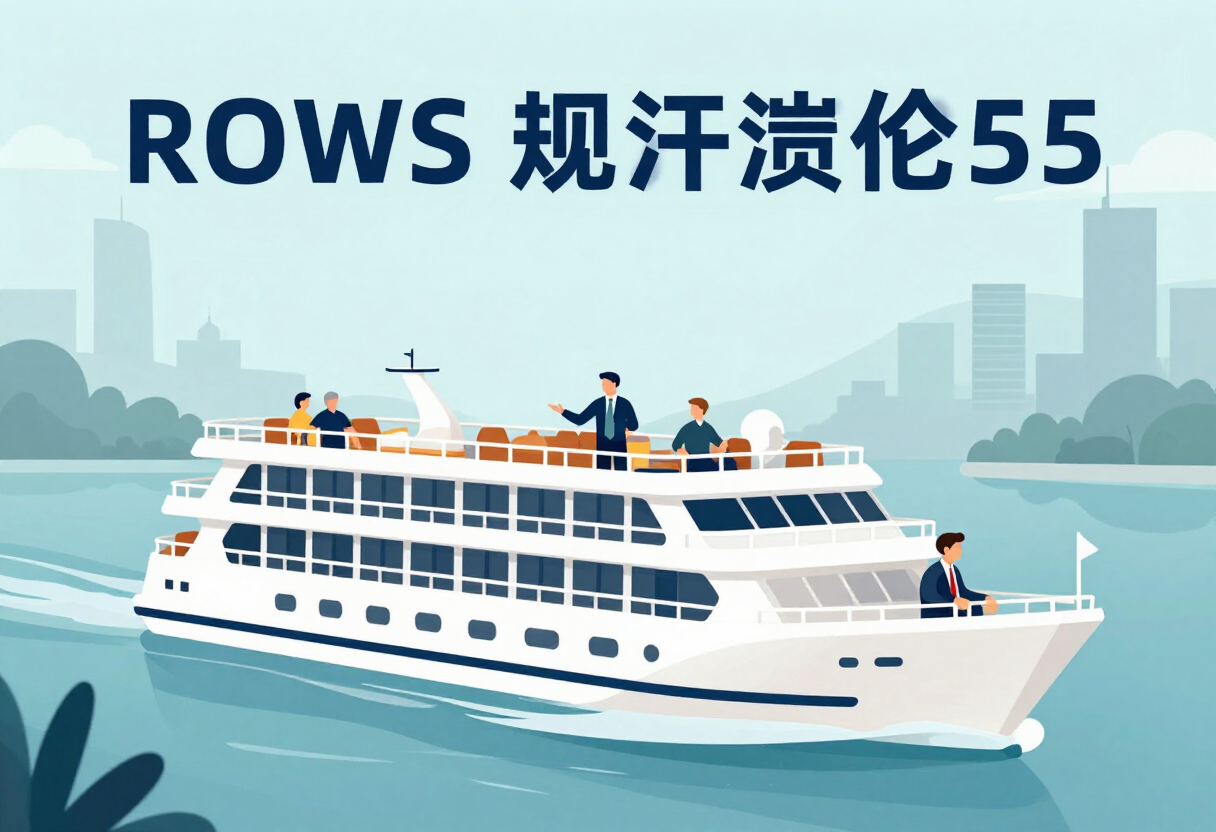
River cruising's top executives are directly confronting the operational challenges threatening one of travel's highest-yield products, with low water levels topping the agenda.
Travel Weekly reports that travel CEOs gathered to address the pressures now bearing down on the river cruise sector. The most visible of these is low water on Europe's major waterways — a recurring disruption that has forced itinerary changes, coach substitutions, and in some cases full vessel swaps in recent seasons.
For sellers of travel, the issue is commercial as much as operational. River cruising commands some of the highest per-diems in leisure travel, and its customer base skews toward repeat, high-value bookers. When water levels drop on the Rhine, Danube, or other core rivers, the product that agents sold — a continuous voyage between named ports — can change materially before departure, triggering service recovery costs, compensation conversations, and reputational risk for the advisor who made the booking.
The CEO-level engagement signals that the industry now treats climate-driven water level volatility as a structural feature of the business rather than an exceptional event. That has knock-on effects across distribution: operators are refining their guest communication protocols, their rebooking and refund policies, and the contractual language that determines who absorbs the cost when a river segment becomes unnavigable.
Low water is not the only challenge on the executives' agenda, according to Travel Weekly, but it is the one most tightly coupled to weather patterns outside any operator's control. The sector's response — how it restructures itineraries, manages guest expectations, and protects commission-bearing bookings when disruption hits — will shape how confidently agents continue to prioritize river product in their portfolios.
What remains to be seen is whether the measures CEOs outlined translate into measurable reductions in disrupted sailings and claims in the seasons ahead, or whether the industry's answer remains largely reactive.
via Google News: Cruise industry (Source)
More from Sophie Lindqvist
Show full bio
Senior reporter covering industry trends and analytics at Travel Trade Desk.
108 articles
Also boarding · Related articles
- RIV01:13
River Tourism Builds Demand While Infrastructure Stays Behind
- VIV07:45
VIVA Cruises Addresses Advisor Fears Over New AI Tools
- EXP17:35
Explora Journeys Signs Deal to Enter River Cruising
- AMA07:45
AmaWaterways Opens 2027 Brochure With September Agent Incentives
- SCE16:30
Scenic Adds Two Hires to UK Trade Sales Team