TTDCRUTT 284
Lindblad Sees Full Efficiency Payoff in 2027 as Fuel Rises 50%
Lindblad Expeditions says efficiency initiatives launched in 2026 will deliver their full profit impact in 2027. Fuel prices rose about 50%, but the operator used less fuel while adding 4.3% capacity.
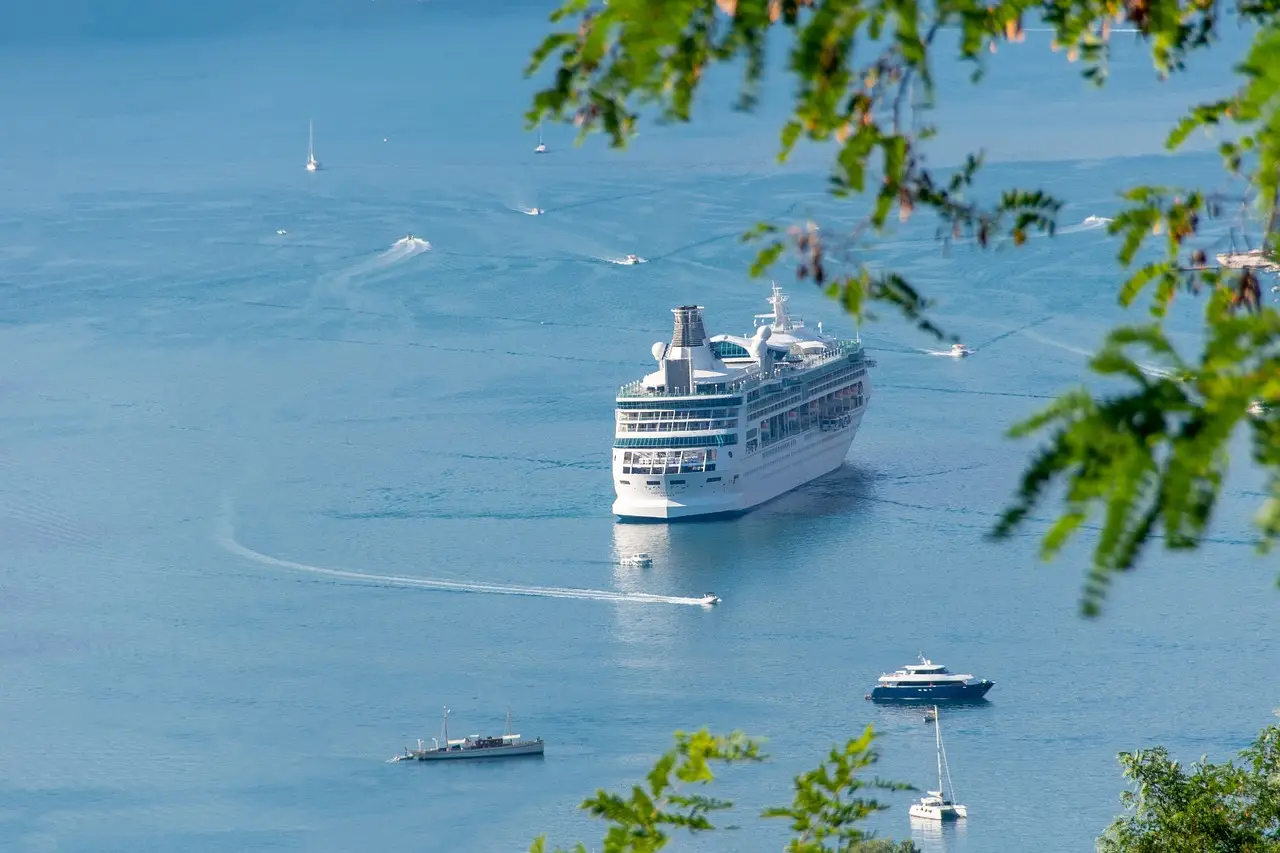
Fuel prices at Lindblad Expeditions rose about 50% year over year, but the operator used less fuel than a year earlier despite having 4.3% more capacity. At Tuesday’s third-quarter earnings call, management said its 2026 efficiency work would deliver the full financial benefit in 2027, not immediately.
What changes in 2027?
CFO Rick Goldberg said: “Of the initiatives that we have launched here in 2026, we won’t see the full benefit of those hit the P&L until 2027.” The P&L (profit-and-loss statement) tracks revenue, costs and profit, so his comment places the promised full margin effect in 2027 rather than 2026.
Goldberg said the largest effects should appear in tour costs, general and administrative costs (corporate overhead) and capital expenditures (spending on long-term assets). Together, those lines determine how efficiency spending translates into profitability, even if booking volume does not change.
Lindblad disclosed no savings total, booking figure, revenue increase, commission change or distribution expansion. For travel sellers, the immediate consequence is cost pressure, not a documented boost in demand or sales reach. Any future pricing advantage has to come from savings actually reaching the P&L.
Takeaway: 2027 is the relevant test for margin improvement, while 2026 remains an investment year.
What has Lindblad already changed?
CEO Natalya Leahy framed the program as a culture of continuous improvement. She said Lindblad had outsourced its warehouse operations and completely overhauled accounts payable (supplier bills). The company is also building supply-chain (supplier and logistics) and inventory-management capabilities, while exploring AI (automated software) to drive further efficiencies.
Leahy said the program had produced significant results this year, but also called it early innings because Lindblad was investing in technology. She singled out inventory management as one area likely to produce results in coming years. That makes inventory a forecast, while outsourcing and the payment-process overhaul are operating changes already underway.
Outsourcing shifts some warehousing work outside Lindblad, while the payment-process overhaul targets the timing and processing of supplier bills. Neither change comes with a disclosed savings amount. These projects affect operating costs first, and Lindblad has not linked them to more bookings, higher revenue or wider distribution.
Takeaway: Lindblad has moved from planning into execution, but the savings still lack a company-set target and a comparable historical baseline.
Can fuel efficiency offset the price spike?
Fuel remained the biggest pressure, with prices up roughly 50% year over year. Lindblad nevertheless used less fuel in total than a year earlier while operating with 4.3% more capacity. Those figures indicate better fuel intensity, although the disclosure provides no baseline volume from which to calculate the gain.
Leahy said: “I’m particularly proud of the partnership between our shoreside and shipboard teams that worked together to deliver year-over-year improvement in fuel consumption this quarter.” The operational link matters because lower consumption reduces exposure to a volatile input price.
Goldberg said Lindblad has never hedged fuel, meaning it has not used financial contracts to manage price exposure. Instead, the company is examining how and where it buys fuel. That approach targets the price paid per unit, while the shore-to-ship effort targets the volume consumed.
Lindblad has measured progress on consumption. Its procurement changes remain under review, and higher fuel prices can still offset any margin gain. For travel sellers, that distinction matters because cost relief must reach net pricing or seller margins before it improves commercial terms.
Takeaway: Better fuel efficiency is a demonstrated operating result, but Lindblad remains exposed to market prices and has not quantified the purchasing benefit.
Where can the bigger savings come from?
Lindblad’s efficiency program has four distinct stages:
- Completed: Lindblad outsourced warehouse operations and overhauled accounts payable.
- Under construction: The company is building supply-chain and inventory-management capabilities.
- Exploratory: Management is exploring AI applications for additional efficiencies.
- Scheduled financial effect: Goldberg expects the full benefit of initiatives launched in 2026 to reach the P&L in 2027.
Each claim has a different evidential status. Outsourcing and accounts-payable changes can be tested through operating costs once results appear. Inventory gains remain management’s expectation, and AI has not produced a disclosed saving. Without a savings amount or historical baseline, sellers cannot yet measure progress against the 2027 promise.
For travel sellers, lower tour costs and overhead could eventually support net pricing and margin. Nothing disclosed changes commissions or travel distribution, and the update provides no revenue or market-share forecast to establish a commercial benefit.
Takeaway: The next checkpoint is whether Lindblad’s 2027 P&L shows lower tour and overhead costs, whether inventory systems deliver promised gains, and whether fuel-purchasing changes cushion prices while the company remains unhedged.
via Cruise Industry News (Source)
More from Sophie Lindqvist
Show full bio
Senior reporter covering people, launches and day-to-day practice in Tourism industry coverage for trade professionals at Travel Trade Desk.
468 articles
Also boarding · Related articles
- LIN07:45
Lindblad Pushes Advisors Beyond Expedition Cruise Sales
- LIN14:49
Lindblad Posts Record Quarter: $24.2M Net Income, 91% Occupancy
- TRA24:10
Travel Market 2026 Conference Flags Five Drivers of Advisor Growth
- GBT03:10
GBTA Forecast: Business Travel Prices to Stay Elevated Through 2026
- SIL02:50
Silversea Opens 103 Voyages Across 2028-2029, Pushing Luxury Cruise Booking Window to Four Years