TTDCRUTT 511
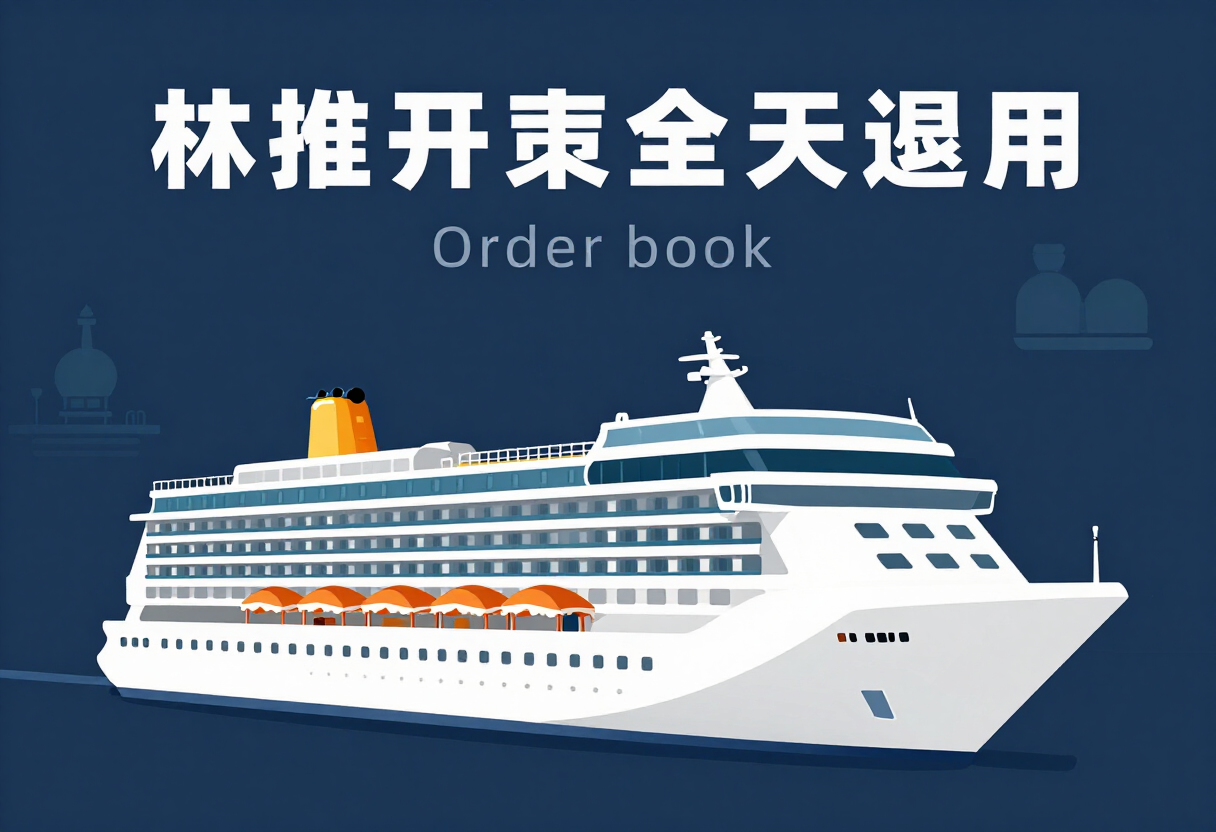
Cruise Order Book Signals Diverse Demand Across Segments
Cruise & Ferry Review characterizes the cruise order book as serving "diverse demand," signaling a broadening pipeline of segments, sizes and products for trade sellers.
Itinerary
- Cruise & Ferry Review's latest assessment describes the cruise order book as serving "diverse demand" across segments.
- The headline provides no order counts, delivery dates, named yards or operators — it is a qualitative characterization, not measured data.
- A diversified order book implies a wider product matrix for agents, tour operators and platforms to merchandise across cabin categories, brand tiers and itineraries.
The headline finding from Cruise & Ferry Review's latest assessment of the cruise order book is a single, pointed phrase: demand has become diverse.
That framing matters for sellers of travel. An order book is not marketing copy — it is committed capital, years of shipyard slots, and a forward revenue plan signed in steel. When the industry's pipeline is described as serving "diverse demand," the implication is that newbuild tonnage is no longer concentrated in one or two mass-market categories or a handful of flagship vessels. Instead, the construction schedule is spreading across segments, ship sizes, and — by extension — customer profiles that sellers will need to merchandise differently.
The trade context is straightforward. Cruise lines order ships against multi-year capacity planning, financing windows, and yield models. A broadening order book typically signals that operators expect growth from more than the traditional base: newer passenger cohorts, varied price points, and itineraries that require different hardware. For agents, tour operators, and distribution platforms, that translates into a wider product matrix to sell — more cabin categories, more brand tiers, and more itinerary types competing for the same booking window.
What the headline does not say is equally important for analytical purposes. It offers no order count, no delivery dates, no named yards, no named operators, and no tonnage figures. It is a characterization of the pipeline, not a measurement of it. Trade readers should treat it accordingly: a qualitative read on the direction of cruise supply, useful for anticipating assortment and commission-relevant product changes, but not a substitute for the order-by-order data that shipyard reports and line-level fleet plans provide.
For distribution, the practical question raised by a diversified order book is whether selling systems, content, and training will keep pace. If new tonnage spans expedition-scale vessels to large resort ships, sellers face a broader pitch per brand. That typically favors platforms with rich structured content and lines that invest in trade education, and it pressures smaller agencies that have built their cruise business around a narrow set of mass-market products.
Cruise & Ferry Review's full piece — accessible via the link above — carries the underlying detail, including which operators and ship types sit behind the "diverse demand" characterization. Trade professionals tracking capacity risk, deployment shifts, and the supply side of cruise pricing will find the complete order-book breakdown there. Expect the diversification theme to shape how lines allocate inventory and how sellers position new tonnage as deliveries land across the coming seasons.
via Google News: Cruise industry (Source)
More from Tom Whitfield
Show full bio
Staff writer covering media and advertising at Travel Trade Desk.
101 articles
Also boarding · Related articles
- ROY15:23
Royal Caribbean Steps Up Expansion With New Ships and Destinations
- CRU07:23
Cruise Leaders Hold Line on Resilience and Growth
- LUX14:55
Luxury Cruising Pivots From Scale to Experience-Led Selling
- CON13:53
Construction Underway on More Giant Cruise Ships
- ISC24:55
Is Carnival Rewriting Cruise Growth? Sellers Should Test the Claim