TTDCRUTT 737
Classic Liner Turned Cruise Ship Faces Uncertain Future
A classic ocean liner converted for cruise service faces an unclear fate, with implications for sellers marketing heritage cruise inventory and itineraries.
Itinerary
- A classic liner converted for cruising faces an uncertain future, per The Maritime Executive
- The report does not specify the operator or the commercial options under review
- Owners have not announced a decision; sale, lay-up, or scrapping all remain possible outcomes
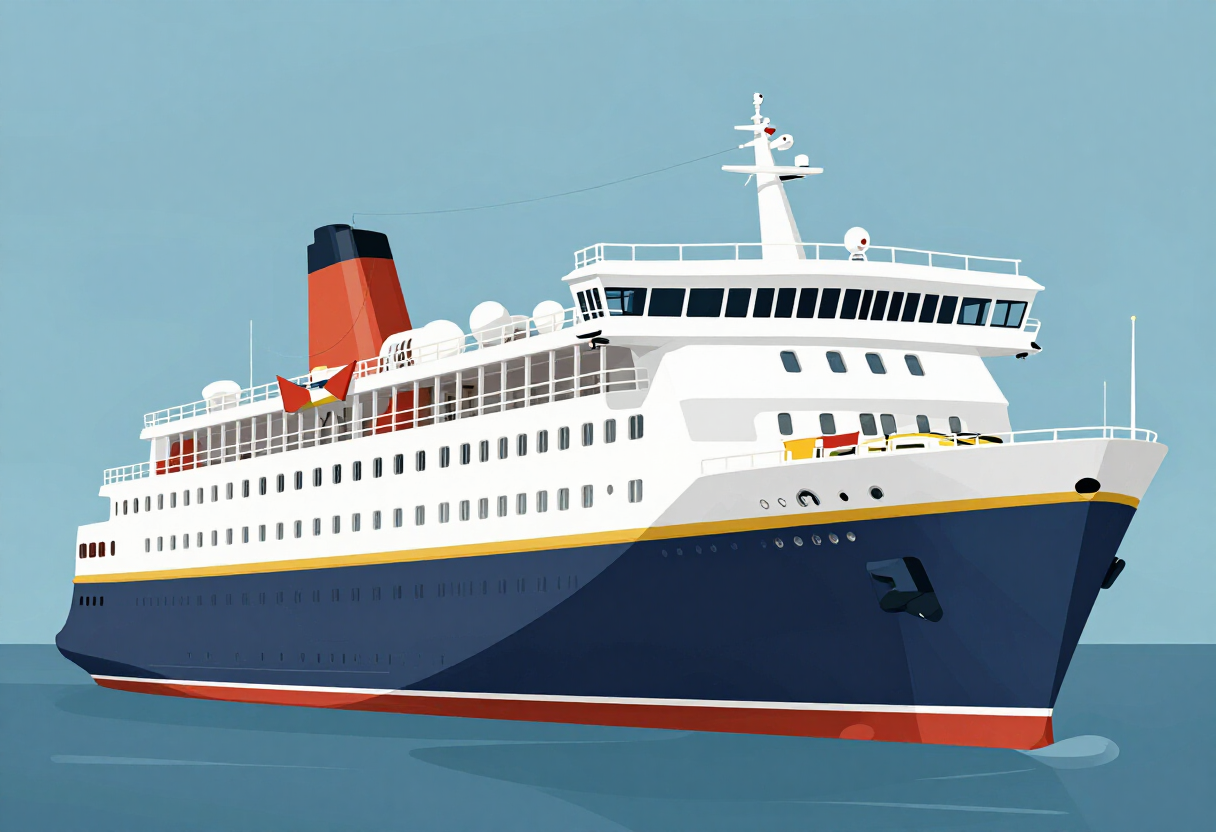
A classic ocean liner converted for cruise service now faces an uncertain future, according to a report from The Maritime Executive.
The vessel in question belongs to a small and shrinking category: purpose-built liners later refitted for leisure cruising. Ships of this type have long occupied a niche in the cruise market, appealing to operators seeking differentiated products and to sellers marketing heritage itineraries. That niche, however, has narrowed steadily as modern newbuilds dominate deployment plans at the major lines.
The report does not specify which operator currently controls the ship, nor does it detail the commercial options under consideration — whether that means sale, charter, lay-up, or scrapping. Each path carries different implications for travel sellers. A sale to a new operator could shift the vessel into a different market segment or region. Lay-up would remove inventory. Scrapping would end it entirely, taking a recognizable brand asset out of the distribution mix.
For cruise sellers, ships of this vintage present a familiar calculation. Older tonnage typically trades at lower fare points and appeals to repeat cruisers and maritime enthusiasts, a segment several niche lines have monetized successfully. But aging vessels also carry rising technical and regulatory costs, and the past decade has shown that even ships with loyal followings can exit the market quickly when maintenance economics turn against them.
Recent industry history underscores the point. The pandemic accelerated the retirement of multiple classic vessels, several of which went to beaches in South Asia for breaking rather than to new operators. Buyers for mid-sized older tonnage have grown scarce, and financing for refits has tightened, leaving owners of such ships with fewer viable commercial exits.
The Maritime Executive's report signals that the vessel's owners have not settled on a course of action. Until they do, the ship's itineraries, deployment, and booking availability remain open questions for the trade. Agents with clients booked on the vessel, or marketing around it, will want to monitor owner announcements in the coming months, as decisions on older tonnage tend to move quickly once made.
The broader signal for the cruise trade is unchanged: the fleet mix continues shifting toward larger, newer ships, and heritage vessels are surviving only where an operator can build a business case around them. Whether this liner finds one remains to be seen.
via Google News: Cruise industry (Source)
More from Sophie Lindqvist
Show full bio
Senior reporter covering industry trends and analytics at Travel Trade Desk.
108 articles
Also boarding · Related articles
- CRU17:53
Cruise Line Breaks Ground on New Bahamas Private Island
- AMB13:18
Ambassador Cruise Line Bets on Niche Strategy to Drive Expansion
- LUX14:55
Luxury Cruising Pivots From Scale to Experience-Led Selling
- CON13:53
Construction Underway on More Giant Cruise Ships
- ROY15:23
Royal Caribbean Steps Up Expansion With New Ships and Destinations