TTDCRUTT 264
Can British Cruise Ports Take The Pressure Off Southampton?
UK industry coverage asks whether regional ports can absorb growth concentrated at Southampton — a shift that would redistribute itineraries, passenger spend and agent opportunity.
Itinerary
- Coverage poses whether British regional cruise ports can relieve Southampton, the UK's dominant turnaround gateway.
- Any rebalancing would shift drive-to itinerary access, passenger spend and agent commission opportunity across UK port catchments.
- No measured port share data is cited; the shift remains a question, testable only against future berth schedules and embarkation counts.
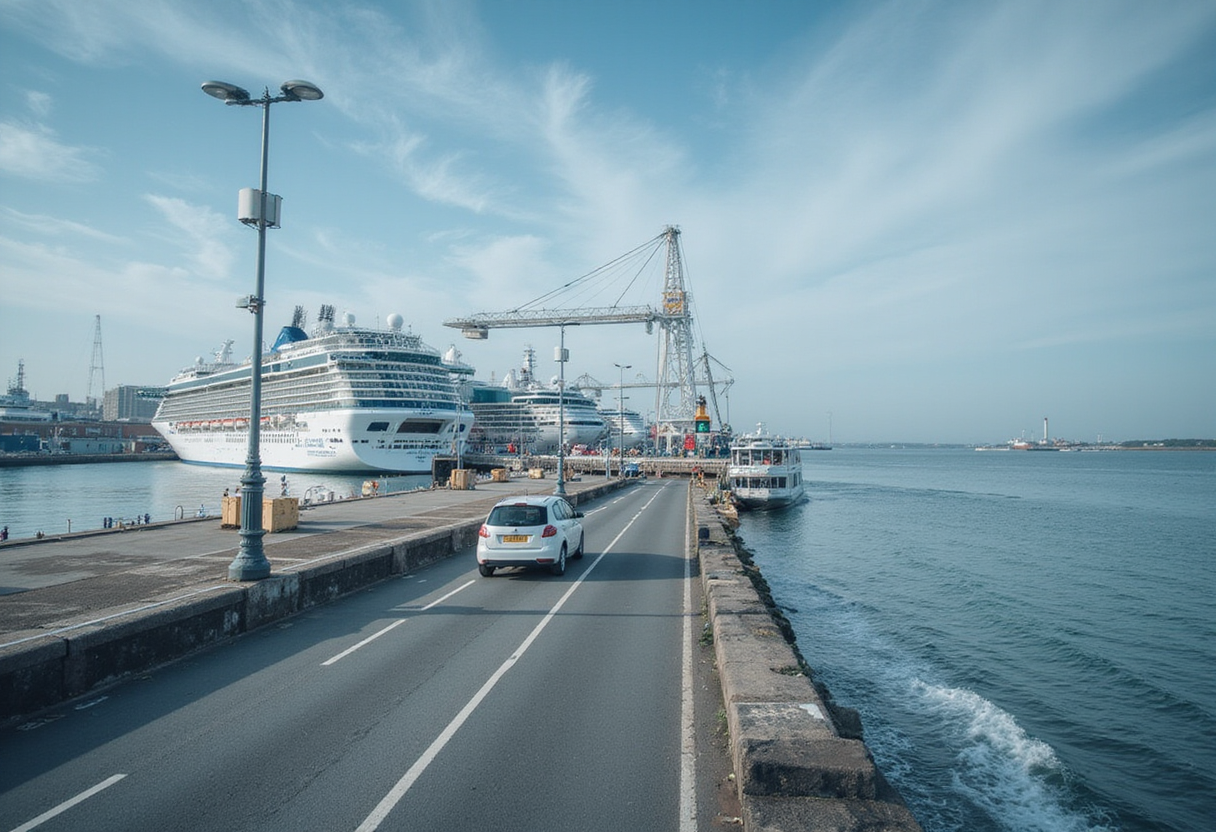
The question of whether Britain's regional cruise ports can absorb growth currently funneled through Southampton has resurfaced in industry coverage, a debate with direct implications for how cruise inventory is distributed across the UK market.
Yahoo Finance Singapore this week ran the question as its headline: "Can British Cruise Ports Take The Pressure Off Southampton?" The framing itself signals where the pressure points sit. Southampton has long operated as the dominant UK turnaround port, concentrating the bulk of Britain's ocean cruise embarkations through a single gateway. As cruise capacity deployed to the British market has recovered and grown post-pandemic, that concentration has become an operational and commercial constraint rather than an advantage.
For sellers of travel, the stakes are concrete. Port concentration shapes itinerary design, and itinerary design shapes what agents can actually sell. More turnaround calls distributed across regional ports would open drive-to cruising to customer bases that currently face the added cost and friction of reaching the South Coast — a fare-relevant variable in every consultation involving a UK-departing cruise.
The underlying economics cut both ways. Southampton's scale supports the dense air-rail-road connections and terminal infrastructure that major lines including those homeporting their largest vessels there depend on. Regional ports competing for displaced calls must demonstrate they can handle turnaround operations — passenger processing, provisioning, coach and parking capacity — at volumes that make diversion from Southampton commercially rational for cruise lines rather than merely operationally possible.
What the coverage does not yet establish is whether the shift is measurable. The question posed is a forward-looking one, and any assessment of whether ports such as Liverpool, Portsmouth, or other regional contenders are actually taking share would need to be tested against berth bookings, turnaround call counts, and passenger embarkation figures across UK ports — data that port operators and cruise lines release unevenly.
That measurement gap matters for the trade. Claims about regional port expansion routinely arrive dressed as accomplished fact when they remain pitches to cruise lines and local stakeholders. The distinction between a signed berth agreement with a named operator and a feasibility study with a render is the difference between inventory a seller can plan around and noise.
The distribution consequences extend beyond embarkation logistics. UK cruising has shifted structurally toward no-fly sailings, a trend that made regional ports more commercially interesting to lines seeking drive-to demand. Every turnaround call moved out of Southampton redistributes passenger spend — parking, transfers, pre-cruise hotel nights — across different regional economies and different supplier networks, including the ground operators and agents serving each catchment area.
It also redistributes commission opportunity. Agents in port catchment areas historically build business around turnaround traffic, from pre-cruise packages to ancillary sales. Where those calls land determines where that business concentrates.
The pressure on Southampton is unlikely to ease through a single decision or a single season. Port capacity, berth scheduling, and line deployment contracts move on multi-year cycles, and cruise lines weigh berth availability against fuel positioning, turnaround cost, and passenger access economics before committing tonnage. Regional ports seeking diverted calls compete not only with Southampton but with each other and with northern European gateways serving the same source market.
For now, the question stands as the industry's own framing of the issue: whether Britain's port network can rebalance. The answer will show up first in published berth schedules and turnaround passenger counts for the coming seasons — the numbers travel sellers should watch before treating regional port growth as a distribution reality rather than an aspiration.
via Google News: Cruise industry (Source)
More from Daniel Okafor
Show full bio
Market editor covering media and advertising at Travel Trade Desk.
123 articles
Also boarding · Related articles
- SYD15:53
Sydney Harbour's Cruise Capacity Problem May Have Found an Answer
- AMB13:18
Ambassador Cruise Line Bets on Niche Strategy to Drive Expansion
- CRU03:08
Cruise Lines Push Back Against Calls for Higher Ship Taxes
- POR11:30
Port of Palm Beach Commits $43 Million to Cruise Upgrades
- POR08:53
PortMiami Logs 10 Millionth Cruise Passenger as Volume Milestone