TTDTOUTT 577
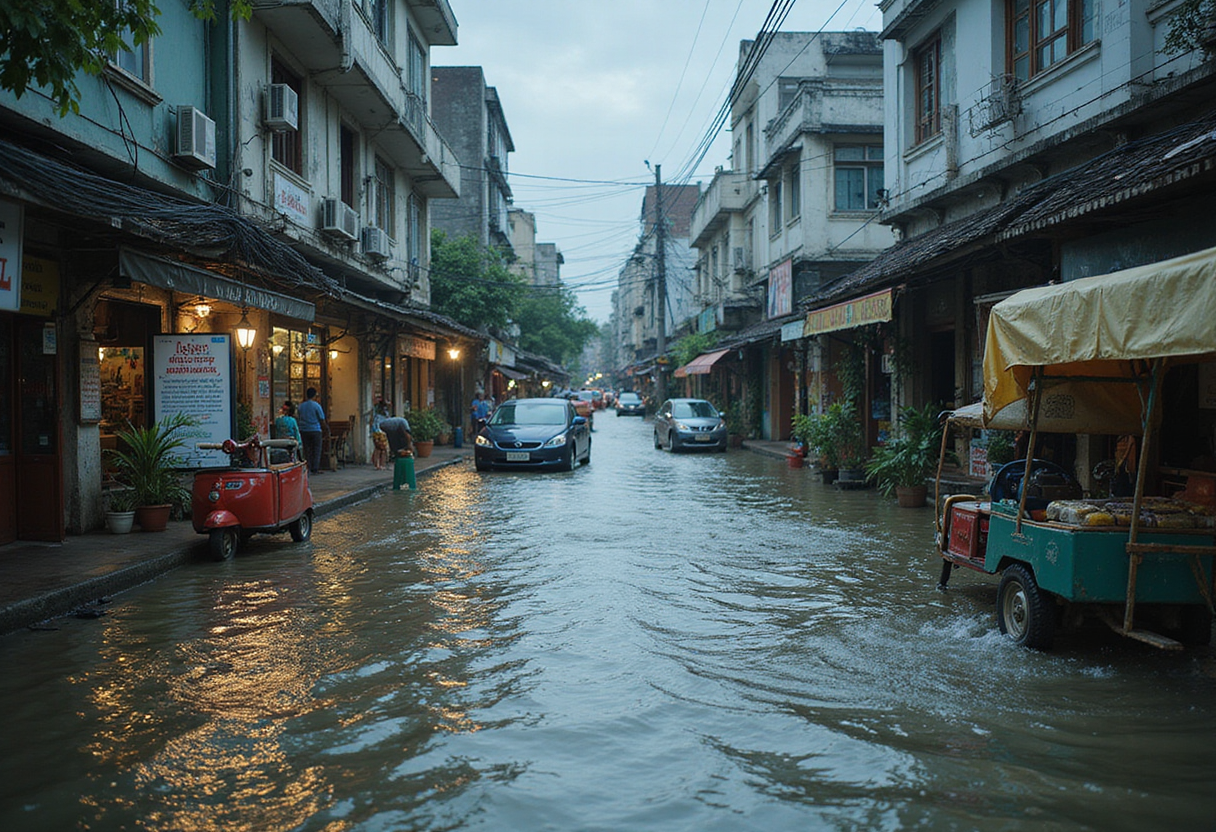
Bangkok Declares All 50 Districts Disaster Zones as Floods Hit Tourist Operations
Bangkok declares all 50 districts disaster areas as floods disrupt transfers, hotel staffing and deliveries; both airports remain open with more rain forecast.
Itinerary
- Bangkok has declared all 50 of its districts disaster areas following extreme rainfall.
- Suvarnabhumi and Don Mueang airports remain open, but tourists face difficult airport transfers.
- Hotels and hospitality businesses are managing staff, delivery and access problems, with further rain threatening Bangkok.
Bangkok has declared all 50 of its districts disaster areas after extreme rainfall flooded roads and disrupted transport across the Thai capital — a disruption that sellers of Thailand now have to manage across bookings, transfers and on-the-ground service delivery.
Both of the city's main gateways, Suvarnabhumi and Don Mueang airports, remain open. That is the critical operational fact for the trade: flights are still operating, so the immediate exposure for airlines and consolidators is limited to delays and rebooking pressure rather than cancellation waves. The sharper problem sits on the ground.
Airport transfers have become difficult, according to reports from the city. For tour operators, DMCs and transfer providers, that translates directly into service failures, replacement costs and staffing strain on drivers navigating flooded roads. Any seller packaging transfers, excursions or meet-and-greet services into Bangkok itineraries this week is exposed to claims, complaints and ad-hoc rescheduling.
Hotels and hospitality businesses are managing staff, delivery and access problems, with hotels in affected areas contending with employees unable to reach work, supply deliveries disrupted and guest access compromised. Further rain threatens Bangkok, which means operators should assume the disruption window is not yet closed and that conditions may deteriorate before they improve.
For the distribution side, the picture is one of friction rather than collapse. No airport closure means no automatic trigger for airline fee waivers or mass cancellations — but hoteliers and operators will need to decide case by case whether to offer flexibility, and travel sellers fielding inbound questions about Bangkok should verify ground conditions at the property level rather than rely on city-wide status, which varies district by district across all 50.
Thailand's tourism sector has repeatedly shown resilience after disruptions, but the immediate commercial question for the trade is narrower: how many arriving visitors this week experience failed or severely delayed transfers, and what that costs in refunds, goodwill and insurance claims. Those numbers are not yet measured; the disaster declarations are the first official signal of scale.
Operators with Bangkok programs should monitor district-level flooding, confirm supplier continuity with hotels and ground handlers daily, and prepare contingency communication for clients already in destination or arriving in coming days. With further rainfall forecast, conditions across the capital remain fluid.
via tourismthailand.org (Original)
More from Sophie Lindqvist
Show full bio
Senior reporter covering industry trends and analytics at Travel Trade Desk.
108 articles
Also boarding · Related articles
- HAW13:18
Hawaii Air Tour Operator Halts Flights After Fatal Crash
- COR05:55
Corporate Travel Buyers Point to Persistent Data Gaps at TMCs
- FAM04:05
Families of 24 Missing Pahalgam Tourists Get No Answers From Operators
- TUI06:45
TUI's Tour Operator and Airline Business Slips Into Loss
- SAP01:00
SAP Data Signals Business Travel Resilience Under Rising Costs