TTDDESTT 130
WTTC Members Pledge $2 Billion in Tourism Investment to Malta
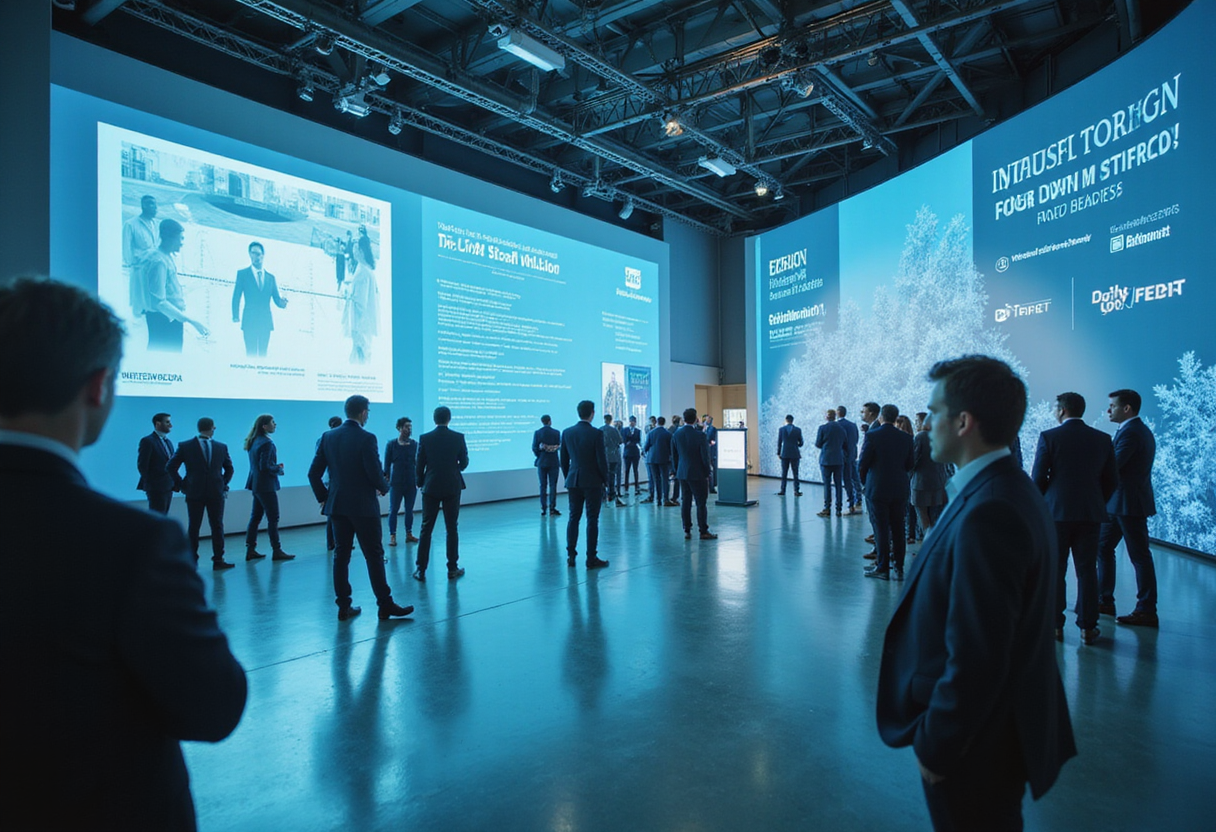
WTTC members announced a US$2 billion collective investment commitment to Malta at the 26th Global Summit in Valletta, where Malta posted Europe's fastest tourism GDP growth in 2025.
Itinerary
- WTTC members announced a US$2 billion collective investment commitment to Malta at the 26th Global Summit in Valletta on October 12, 2026
- Travel and tourism forecast to contribute $4.9 billion to Malta's economy in 2026, equating to 16.9% of GDP
- Malta posted 16.8% growth in tourism GDP contribution in 2025, the highest in Europe versus a 2.6% European average
- Over 1,000 delegates and 200+ CEOs attended the summit under the FUTU[RE]SET theme
- Malta's National Statistics Office reported more than 4 million inbound tourists and €3.9 billion in visitor expenditure in 2025
Members of the World Travel & Tourism Council have committed US$2 billion in private-sector investment to Malta's tourism economy, WTTC Chairman Manfredi Lefebvre announced on October 12 at the opening of the 26th WTTC Global Summit in Valletta.
The figure is a collective pledge from WTTC's corporate membership — the council itself does not deploy capital. More than 1,000 delegates, including over 200 CEOs from aviation, hospitality, travel technology, destination management and adjacent sectors, are attending the three-day summit under the theme FUTU[RE]SET.
What does the summit mean for sellers of travel?
WTTC's headline numbers obscure a structural shift in how tourism investment now flows. Unlike UN Tourism, which operates through an intergovernmental mandate, WTTC functions as a convening body for senior commercial decision-makers. The Malta pledge shows what that convening power delivers when activated at a single destination.
For travel sellers, the consequence is indirect but commercial. WTTC members include hotel groups, airlines, OTAs and tour operators whose Malta commitments may translate into new inventory, route capacity and packaged product over the medium term. Distribution partners exposed to Malta — particularly in the UK, Italy and Germany source markets — should expect additional bed nights and seat capacity once projects advance from announcement to construction.
What is Malta offering investors?
WTTC's latest Economic Impact Research frames the investment case. The council forecasts travel and tourism will generate $4.9 billion in 2026, equal to 16.9 percent of Malta's GDP and supporting more than one in five jobs.
Malta posted the highest annual growth in tourism's GDP contribution among European economies in 2025, at 16.8 percent, against a European average of 2.6 percent. International visitor spending grew 16.1 percent — also the fastest in the European Union, according to WTTC. Malta's National Statistics Office separately reported more than four million inbound tourists and €3.9 billion in visitor expenditure for 2025.
The combination of Mediterranean positioning, English-language operations and established air links gives investors a familiar commercial base. Smaller destinations rarely attract concentrated access to global corporate leadership; WTTC's summit format changes that calculus.
What are WTTC's principals saying?
Lefebvre framed the announcement as a vote of confidence in Malta's policy direction.
"This commitment reflects the confidence our Members have in the Government of Malta and the country's extraordinary potential," he said.
He also pointed to the operational value of the Valletta gathering.
"Bringing global investors together in Valletta provides a unique opportunity to translate dialogue into action, and these commitments demonstrate that Malta is firmly on the radar of the international Travel & Tourism investment community."
President and CEO Gloria Guevara linked the pledge to public-private cooperation.
"Our Members are putting capital behind their belief in the country's potential, recognising the strength of its tourism economy and the opportunities that lie ahead," Guevara said.
What remains undisclosed?
WTTC has not disclosed the individual investors, the company-level commitments, the proposed projects or the investment timetable. The $2 billion headline is a sum of stated intentions, not a financed budget. Until allocations are published, the announcement functions as a market signal — credible given the attendees, but unverifiable in detail.
That opacity matters for travel sellers evaluating forward capacity. New-build and refurbishment pipelines, air route decisions and tour-operator contracting typically require 18 to 36 months between capital commitment and bookable inventory. Tracking named projects as they emerge will be the operative task for distribution teams through 2027.
What happens after Valletta?
The summit's broader theme — investment, competitiveness and sustainable growth — frames a question every host destination faces: how to convert a summit platform into project delivery. Malta's geography concentrates the impact of every tourism dollar, for better and worse. Gozo and heritage sites offer diversification, while carrying distinct carrying-capacity constraints.
Whether the Valletta pledges translate into announced projects, contracted works and operating inventory by the next WTTC summit cycle will determine whether the $2 billion becomes a precedent for the council's convening model — or another undelivered headline.
via eTurboNews (Source)
More from Tom Whitfield
Show full bio
Staff writer covering technology and product news in Tourism industry coverage for trade professionals at Travel Trade Desk.
335 articles
Also boarding · Related articles
- WTT02:54
WTTC Opens 2026 Global Summit in Valletta With 200 CEOs, 1,000 Delegates
- WTT15:15
WTTC Global Summit Brings 100-Plus Tourism Leaders to Malta
- DEL17:35
Delhi Lands WTTC Global Summit 2027, First India Host in 22 Years
- WTT15:45
WTTC Sets 2027 Global Summit in New Delhi After Malta
- WTT16:30
WTTC Taps ICC Network to Give Tourism SMEs a Policy Voice