TTDTOUTT 795
Russian Operator Warns Serbia Visa Tightening Threatens Tourism Flows
A Russian tour operator warns Serbia visa changes could hit tourism, threatening a friction-free demand driver for Balkan operators, hotels and receptive agencies selling to Russians.
Itinerary
- A Russian tour operator warns Serbia's visa changes could hit tourism to the country.
- Serbia has been one of the few European destinations Russians can visit visa-free.
- The warning is a projection; no arrival or booking decline data accompanies it.
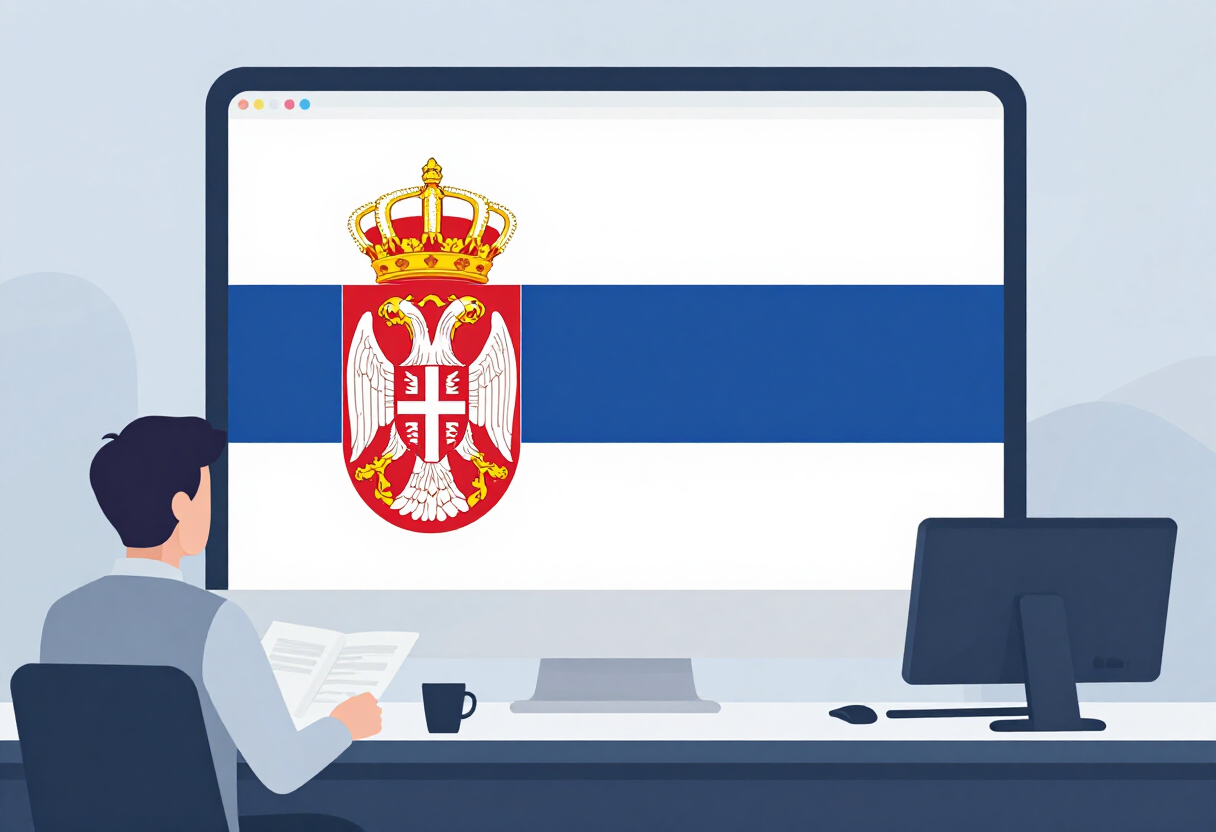
A Russian tour operator has warned that changes to Serbia's visa regime could hit tourism to the country, signaling a potential revenue risk for operators, receptive agencies and hoteliers who have built product around a market that travels to Serbia without paperwork friction.
The warning matters because access rules, not marketing budgets, have been the primary demand driver for Russian travel to Serbia. Since 2022, Serbia has stood out in Europe as a destination Russians can reach without a visa, and distributors have priced and packaged accordingly. Any shift in that regime changes the commercial math for sellers on both sides of the route.
For Russian tour operators, a visa requirement would add cost, processing time and cancellation risk to every Serbia booking. That typically compresses conversion on short-break and mid-season product, the segments where visa-free European access has carried the most weight. Operators would likely respond by repricing packages, shifting capacity to other frictionless destinations, or pushing bookings closer to departure to hedge against refusal risk — all moves that cut into margin and forward visibility.
For Serbian suppliers, the exposure runs the other way. Russian arrivals have been a meaningful, easily sold source market precisely because no visa stood between the booking and the boarding pass. Hotels in Belgrade and secondary cities, receptive agencies and transfer providers that leaned into Russian demand would face a demand shock if the funnel narrows at the consulate stage rather than the search stage.
The operator's framing — that visa changes "could hit tourism" — is a projection, not a measured result. No arrival declines, booking cancellations or forward-booking data accompany the warning. Sellers should treat it as a risk signal to model, not a confirmed trend, and watch two indicators as evidence: forward bookings for the next peak season and any drop in average lead time on Serbia product.
The competitive dimension is the other consequence worth tracking. If Serbia tightens access for Russians, the visa-free alternatives that absorbed redirected demand after 2022 — Turkey, the UAE, Georgia, Serbia's Balkan neighbors that have courted the same traffic — stand to gain share at Serbia's expense. Distribution follows paperwork; sellers will move inventory to where the customer can actually go.
How Serbian authorities act on the visa question, and whether any change applies uniformly or targets specific traveler categories, will determine whether this becomes a headline risk or a structural shift in Balkan source-market mix. Tour operators with Serbia exposure should stress-test their Russian-demand assumptions now rather than wait for the first post-change booking data to confirm the operator's warning.
via Google News: Tour operators (Source)
More from Sophie Lindqvist
Show full bio
Senior reporter covering industry trends and analytics at Travel Trade Desk.
108 articles
Also boarding · Related articles
- CHR08:48
Christian Tour Closes IPO at RON 149 Million
- AZU21:08
Azur Air Shifts Charter Capacity to New Tour Operator Client
- CHR21:38
Christian Tour to List on Bucharest Market After EUR 30 Mln IPO
- SAP01:00
SAP Data Signals Business Travel Resilience Under Rising Costs
- TUI10:13
TUI Pushes Deeper Into Bulgaria With New Hotel and Added Flight Capacity