TTDCRUTT 113
Portland Approves Cruise Ship Scrubber Restrictions at City Piers
Portland's unanimous November 16 vote blocks open-loop scrubber discharges at city-owned piers, setting 2027 compliance questions for cruise lines and sellers.
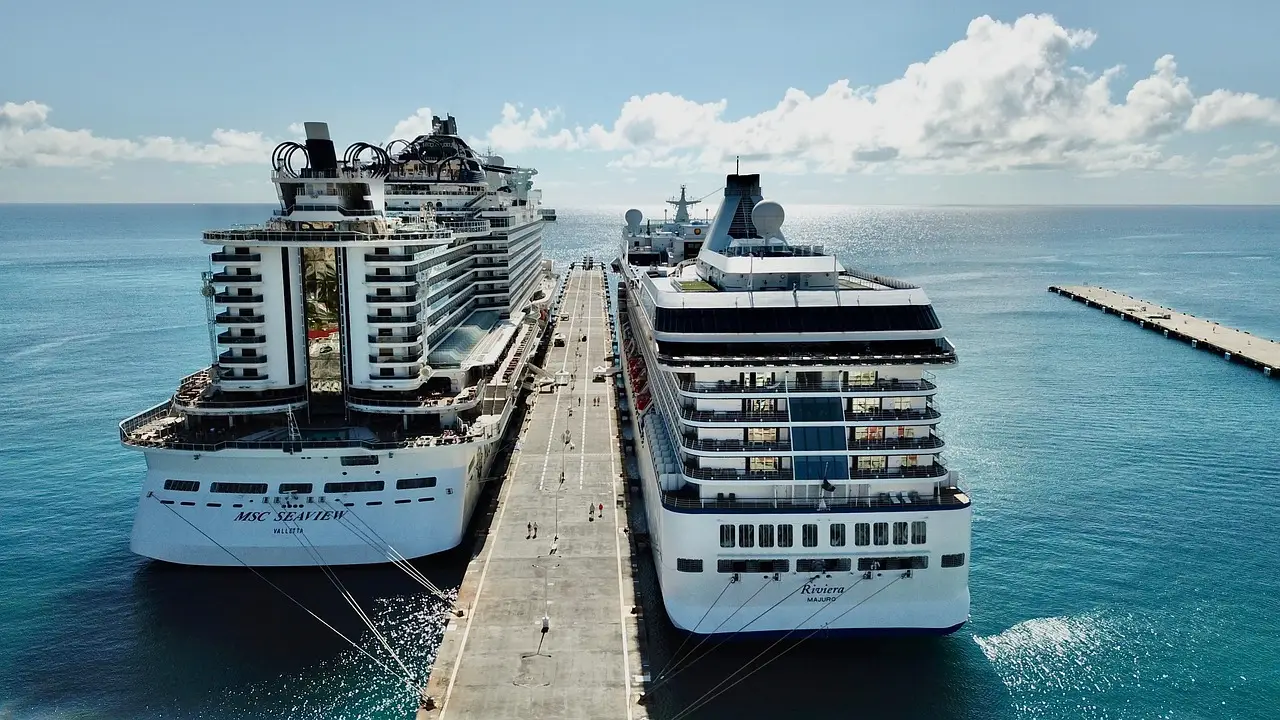
Portland, Maine, became the state's first port to restrict cruise-ship scrubber use at berth after its City Council unanimously approved a resolution on Monday, November 16. The measure follows a two-year push by the local group Portland Cruise Control.
It applies to city-owned piers in Casco Bay, and the city manager must revise the port's terminal tariff rules. Councilors chose that route instead of passing a citywide harbor ordinance.
What does Portland's tariff change?
Portland controls access to its own docks through a terminal tariff, which the announcement describes as “basically a contract between the port and visiting cruise lines.” Councilors used that contract to set the rules, avoiding the wider ordinance. Once the city manager completes the revision, cruise ships docked at city-owned piers must:
- Stop discharging scrubber wash water into Casco Bay while at berth.
- Comply with strict prohibitions on blackwater discharges while docked.
- Notify the city within 24 hours of any accidental discharge of scrubber wash water while in port.
Ships calling Portland can no longer dump open-loop wash water overboard while docked. They must either switch to cleaner, low-sulfur marine gas oil while at berth or run their scrubbers in closed-loop mode, storing wastewater in onboard holding tanks.
For other ports, the approach shows that berth access can carry environmental rules without a harborwide ordinance. It also leaves enforcement details, penalties and the implementation date to the tariff revision, none of which the announcement specifies.
The practical result: Ships can keep visiting Portland, but their fuel and wastewater choices at the pier now determine whether they comply.
What does the vote mean for travel sellers?
The vote lands at the tail end of Portland's 2026 cruise season, leaving cruise lines and port officials several months to prepare before the busy 2027 schedule ramps up. That timing gives operators room to adjust, yet the announcement provides no revised tariff text, effective date, compliance-cost estimate or forecast showing how many calls or passengers could be affected.
For cruise sellers and travel advisers, the announcement discloses no booking disruption, itinerary cancellation, fare increase or change in Portland's volume. The immediate consequence is operational: operators must change fuel and scrubber handling at a New England port.
Any effect on ticket prices, commissions or the allocation of ships to Portland remains unquantified. That makes the rule an operational change, not evidence of a demand shock.
For sellers, the disclosed impact is ship behavior at berth, not a proven change in bookings or revenue.
Can the scrubber dispute be settled with the data provided?
The Cruise Lines International Association, which represents cruise lines, has previously opposed local scrubber bans. CLIA says exhaust cleaning systems are “approved by international regulators” and that open-loop wash water has “minimal impact on water quality.”
Portland's council approved its restriction anyway, making it the state's first such measure. The decision joins Seattle and Vancouver among ports requiring stricter standards for visiting cruise ships.
The announcement offers no Casco Bay sampling results, discharge volumes or fuel-cost comparison to test CLIA's environmental claim against the city's concerns. It also gives no city estimate of enforcement costs or cruise-line impact. Those omissions matter because a tariff can shape carrier behavior without generating a measurable change in arrivals, occupancy or revenue.
The next checkpoint is the revised terminal tariff and the decisions cruise lines make for 2027. Until those terms and operating plans appear, the environmental benefit, compliance burden and revenue consequences remain claims rather than measured results.
via cruisefever.net (Source)
More from Grace Kim
Show full bio
Correspondent covering money, funding and market shifts around Tourism industry coverage for trade professionals at Travel Trade Desk.
586 articles
Also boarding · Related articles
- POR03:29
Portland, Maine Weighs First-in-State Ban on Cruise Ship Scrubbers
- MAI21:05
Maine Studies Shore Power for Cruise and Cargo Ports
- BAR21:32
Bar Harbor's Cruise Future Hangs on Unresolved Court Fights
- CRI23:34
Criminal Probe Into MSC Poesia Follows 11-Day PortMiami Detention
- ROC03:20
Rockland Weighs New Cruise Ship Limits as Maine Port Reconsiders Growth