TTDDESTT 499
Oxford Street Goes Car-Free as WTTC Pushes Tourism-Led Growth Case
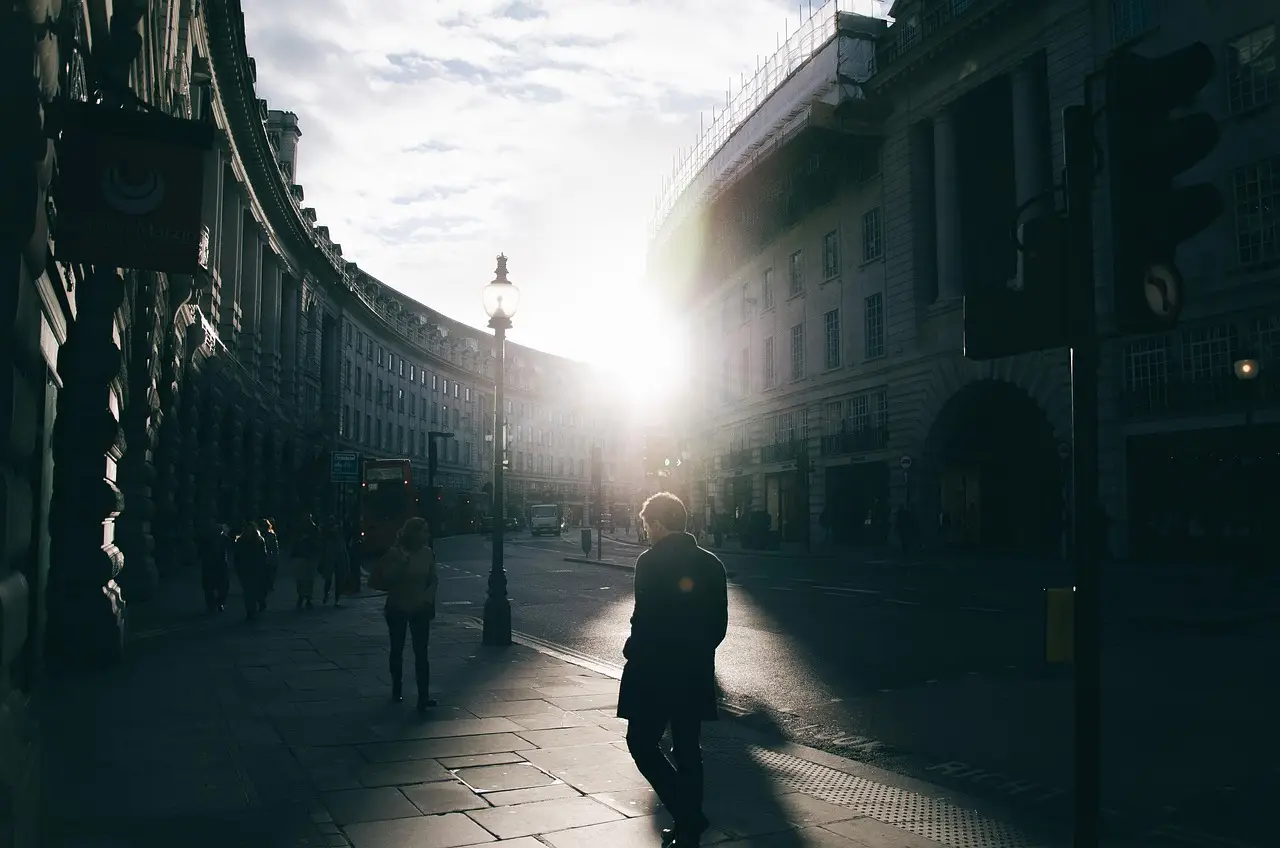
London has pedestrianized nearly 1km of Oxford Street ahead of WTM, with WTTC citing 2026 forecasts of US$11.9 trillion in sector GDP as proof tourism needs infrastructure investment.
Itinerary
- London has converted almost one kilometer of Oxford Street into a traffic-free zone, delivered via the Oxford Street Development Corporation with UK Government support.
- WTTC forecasts 3.1% European travel and tourism growth in 2026 and a 5.8% rise in international visitor spending.
- WTTC's Economic Impact Research projects the sector will contribute US$11.9 trillion to global GDP in 2026, 9.9% of the total, supporting 375 million jobs.
- Precedents include Times Square (2009), Copenhagen's Strøget (1962), Madrid's Gran Vía and Barcelona's superblocks, each with mixed or slow-payoff results.
- WTTC says the sector will create around one in three of all new jobs worldwide over the next decade.
London has converted almost one kilometer of Oxford Street into a traffic-free zone, and the World Travel & Tourism Council (WTTC) is holding up the project as proof that infrastructure investment drives tourism competitiveness. The move lands days before World Travel Market (WTM) London, where tourism ministers, destination leaders and private-sector executives will gather to trade and set policy agendas.
WTTC forecasts 3.1% growth for Europe's travel and tourism sector in 2026, alongside a 5.8% rise in international visitor spending. Its latest Economic Impact Research projects the industry will contribute US$11.9 trillion to the global economy in 2026 — 9.9% of global GDP — and support 375 million jobs. Those numbers frame the scale. They do not prove that pedestrianizing a single street generates tourism growth.
What are the claims behind the project?
WTTC President and CEO Gloria Guevara framed Oxford Street as evidence that tourism growth requires government commitment rather than promotion alone. "London shows what happens when government treats Travel & Tourism as a strategic priority," Guevara said. "Transforming Oxford Street, just as the global travel sector arrives in the city, sends a powerful message that London is open, ambitious and investing in every visitor's experience."
She paired the endorsement with a policy demand. "Our sector is set to create around one in three of all new jobs worldwide over the next decade, but that growth is never automatic," Guevara said. "It depends on governments putting the right conditions in place, from connectivity and infrastructure to skills."
London Mayor Sadiq Khan called the pedestrianization a landmark achievement. "It is a truly momentous occasion for the capital," Khan said. "Revitalising Oxford Street will boost jobs and economic growth in the capital, unlock the full potential of this key part of the West End, and help build a better, greener and more prosperous London for everyone." The UK Government supports the scheme, delivered through the Oxford Street Development Corporation.
What have other cities learned from going car-free?
Precedents from four cities show pedestrianization delivers results only under conditions — and often after friction:
- New York, Times Square (2009): Broadway sections around Times Square became pedestrian plazas, an internationally recognized public-space success with measurable gains in pedestrian safety and visitor experience. The lesson: removing vehicles works best alongside attractive public spaces, traffic management and long-term maintenance.
- Copenhagen, Strøget (1962): One of Europe's best-known car-free shopping streets overcame initial merchant resistance and cemented Copenhagen's pedestrian-friendly brand. The lesson: success can take years, and businesses must adapt.
- Madrid, Gran Vía and central districts: Expanded pedestrian space and traffic restrictions produced generally positive retail effects in research on Spanish projects, though political controversy and business concerns persisted. The lesson: commercial gains are possible, but public acceptance and business access remain essential.
- Barcelona, superblocks: Reduced through-traffic created space for pedestrians and greenery, but displaced traffic, accessibility, gentrification and uneven distribution of economic benefits complicated the success story. The lesson: environmental improvements do not automatically benefit every resident or business equally.
Does pedestrianization actually deliver more visitors and spending?
For travel sellers, the strategic point is distribution of demand. WTTC's timing matters because WTM remains one of the industry's major business gatherings, and the body — representing leading private-sector travel companies — uses it to connect government policy with tourism investment. A flagship street project gives governments a visible template to pitch.
But the measurable test starts after the delegates leave. Will Oxford Street lift retail revenue, attract more international visitors, create sustainable employment and improve conditions for Londoners? Or will economic activity and traffic simply relocate? The source offers projections and symbolism, not measured outcomes.
The real lesson for destinations watching from WTM may be that a successful car-free street requires far more than the absence of cars.
via eTurboNews (Source)
More from Elena Vasquez
Show full bio
News editor covering regulation, policy and their impact on Tourism industry coverage for trade professionals at Travel Trade Desk.
483 articles
Also boarding · Related articles
- RAS13:44
Ras Al Khaimah Targets 30% Tourism Share of GDP in WTTC-Led Summit
- UKS04:40
UK's £147bn Visitor Economy at Risk From Weak Destination Management
- WTT03:04
WTTC Sets Out Seven Principles to Shift Destinations From Volume to Value
- WTT13:44
WTTC Launches PEO Indices at WTM London, Backed by Oman
- WTT15:21
WTTC Targets One Million SMEs as It Widens Tourism Boards' Role