TTDTOUTT 484
Myanmar Returns to ASEAN Tourism Talks in Manila Amid Rights Crisis
Myanmar's delegation joined ASEAN tourism leaders in Manila on 29 September 2026 for talks on sustainable tourism investment, raising compliance questions for travel sellers weighing junta-linked commercial interests.
Itinerary
- ASEAN tourism leaders met in Manila on 29 September 2026 with Myanmar's delegation present.
- Agenda items covered sustainable tourism investment and regional resilience.
- The meeting coincided with documented ongoing conflict, displacement and human-rights violations in Myanmar.
- Travel sellers face sanctions-compliance and beneficial-ownership verification risks on junta-linked tourism assets.
- ASEAN's consensus model is unlikely to publicly condition Myanmar's participation on internal governance records.
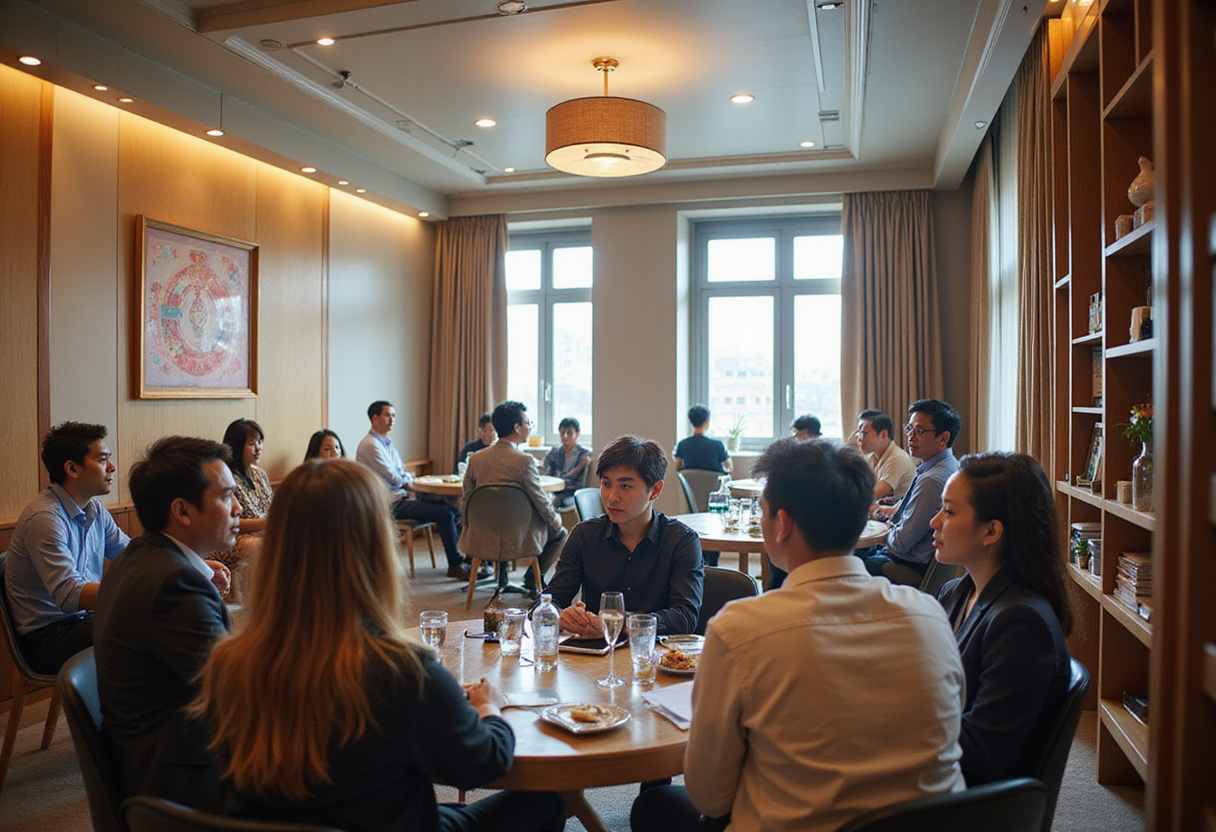
Myanmar's tourism delegation sat down with ASEAN counterparts in Manila on 29 September 2026 for talks on sustainable tourism investment and regional resilience, even as conflict, displacement and human-rights violations continue to shape conditions inside the country.
The optics matter for the travel trade. Regional forums set de facto norms for cross-border marketing, visa facilitation and joint destination promotion that travel sellers, tour operators and hotel groups rely on when planning capital expenditure. Myanmar's inclusion on the agenda effectively signals to its neighbours that the country remains a participating destination within ASEAN tourism channels, regardless of sanctions posture among Western markets.
What is on the table in Manila
Delegates discussed sustainable tourism investment frameworks and resilience planning across the bloc. For Myanmar, those conversations touch on infrastructure finance, destination marketing budgets and training pipelines that regional and bilateral programmes bankroll. Travel sellers with inbound product for Myanmar — including Yangon, Bagan and Inle Lake itineraries — need to know whether capacity is being rebuilt with multilateral funding, private capital or state-aligned investors.
The blurred line between military-controlled commercial interests and tourism revenue is the unresolved tension. International sanctions restrict certain categories of business with junta-linked entities, yet travel suppliers routinely struggle to verify ownership and revenue allocation across hospitality assets. ASEAN-level engagement does not change those compliance obligations for sellers in the United States, United Kingdom, European Union or Australia.
Why the rights record is a distribution issue
Travel sellers face three concrete risks when sourcing Myanmar product. First, consumer-side backlash: tour operators exposed to activist scrutiny in source markets have moved away from destinations flagged by their own foreign ministries. Second, supplier-side verification: hotels, ground handlers and cruise operators cannot easily audit ultimate beneficial ownership. Third, payment friction: correspondent banking restrictions can complicate settlement for Myanmar-based suppliers, pushing wholesalers to use regional intermediaries.
ASEAN's consensus-driven structure means the bloc rarely conditions a member's participation on internal governance. The Manila session is unlikely to produce a public statement on Myanmar's rights record. That silence effectively leaves each travel seller to apply its own due-diligence standard — a patchwork that has already produced divergent stances between European tour operators, which largely exited Myanmar after the military takeover, and Asian regional carriers and hotels, several of which continue to operate.
What travel distributors should watch
Three signals from the Manila meeting will shape the next quarter for travel sellers with Myanmar exposure or interest:
- Whether any joint ASEAN marketing fund reallocates budget away from Myanmar toward alternative Mekong destinations, redirecting demand toward Thailand, Laos, Cambodia or Vietnam.
- Whether bloc-level visa or mobility initiatives extend facilitation to Myanmar passport holders in ways that change inbound arrival profiles.
- Whether multilateral development banks tied to ASEAN frameworks continue to fund tourism infrastructure inside Myanmar, and on what disclosure terms.
Absent hard numbers in the meeting readout — ASEAN communiqués rarely include arrivals or investment totals at the member-state level — travel sellers will need to triangulate market sizing from IATA, PATA and UNWTO datasets alongside carrier capacity filings to track whether Myanmar is gaining, holding or losing inbound share.
The forward calendar offers limited guidance. The bloc's next tourism working group will determine whether Myanmar's seat at the Manila table produces concrete distribution outcomes or remains a diplomatic holding pattern that leaves the trade to police its own ethical sourcing.
via eTurboNews (Source)
More from Sophie Lindqvist
Show full bio
Senior reporter covering industry trends and analytics at Travel Trade Desk.
305 articles
Also boarding · Related articles
- AGO03:14
Agoda, Taiwan Tourism Administration Pair on Destination Campaign
- VIE08:15
Vietnam and Pakistan Target Tourism Cooperation as Two-Way Travel Remains Marginal
- DMO02:59
DMOs Take Central Role in Orchestrating the Tourism Value Chain
- IND03:14
India to Set Up State-Led DMOs at Tourist Sites: Shekhawat
- SIN03:04
Singapore Tourism Board renews Traveloka pact across six markets