Hospitality Business
Mexico hotels may demand guardianship proof as Canada tightens advice
Canada's updated Mexico advisory tells travellers with minors under 18 that hotels may demand proof of guardianship, after Nov. 13 changes to Mexico's tourism law.
Itinerary
- Canada updated its Mexico travel advice on a Wednesday, adding guidance on laws for travellers accompanying a minor under 18.
- Mexico's General Tourism Law amendments were published in the Official Gazette on Nov. 13, 2026, effective the same day.
- Hotels and tourism services may request proof of parental authority, guardianship or custody from adults travelling with a child.
- Service providers must refuse service and notify the appropriate authorities if the required documentation is not supplied.
- Canada keeps Mexico at Level 2, citing high levels of criminal activity and kidnapping.
Canada's refreshed Mexico travel advice, issued on a Wednesday, now tells travellers heading south with a minor under 18 that hotels and tourism services may ask for proof of their relationship to the child. Mexico amended its General Tourism Law (the statute governing registration and delivery of tourism services) through the Official Gazette on Nov. 13, 2026, with the changes effective that same day.
The advisory wording is soft. The statute behind it is not. Travellers are told that some hotels and tourism services "may request official documentation demonstrating your relationship to the child," and the notice continues: "This may include proof of parental authority, guardianship, or custody." Then comes the line aimed at both sides of the desk: "Contact your hotel or accommodation provider in advance to inquire about any documentation that may be required during your stay."
The documentation requirement itself is not new. What Canada did this week was fold Mexico's gazette change into its own guidance, adding information about the country's laws rather than altering Canada's security assessment.
What changes for hotels, tour operators and online sellers?
Mexico's new measures target potential crimes against children by requiring tourism service providers to verify the relationship between adults and minors before providing a service, whether that service happens in person or online. Adults accompanying a minor must produce official documents proving the relationship and may also be asked for identification proving they are of legal age. Where those documents don't appear, service providers must refuse service and notify the appropriate authorities.
Three duties, then, for anyone selling a service to a family:
- Verify the adult-to-minor relationship before delivery, at the counter and online.
- Accept proof of parental authority, guardianship or custody, plus adult identification.
- Refuse the service and alert the appropriate authorities when documentation is missing.
That last obligation carries weight beyond inconvenience. Refusal plus notification turns a front-desk transaction into a reportable event, so the burden sits with staff, not only with corporate policy. Hotels that built check-in around a passport scan will need a documented process for relationship and age evidence, and the instruction to contact the property in advance pushes part of that work onto the guest before arrival.
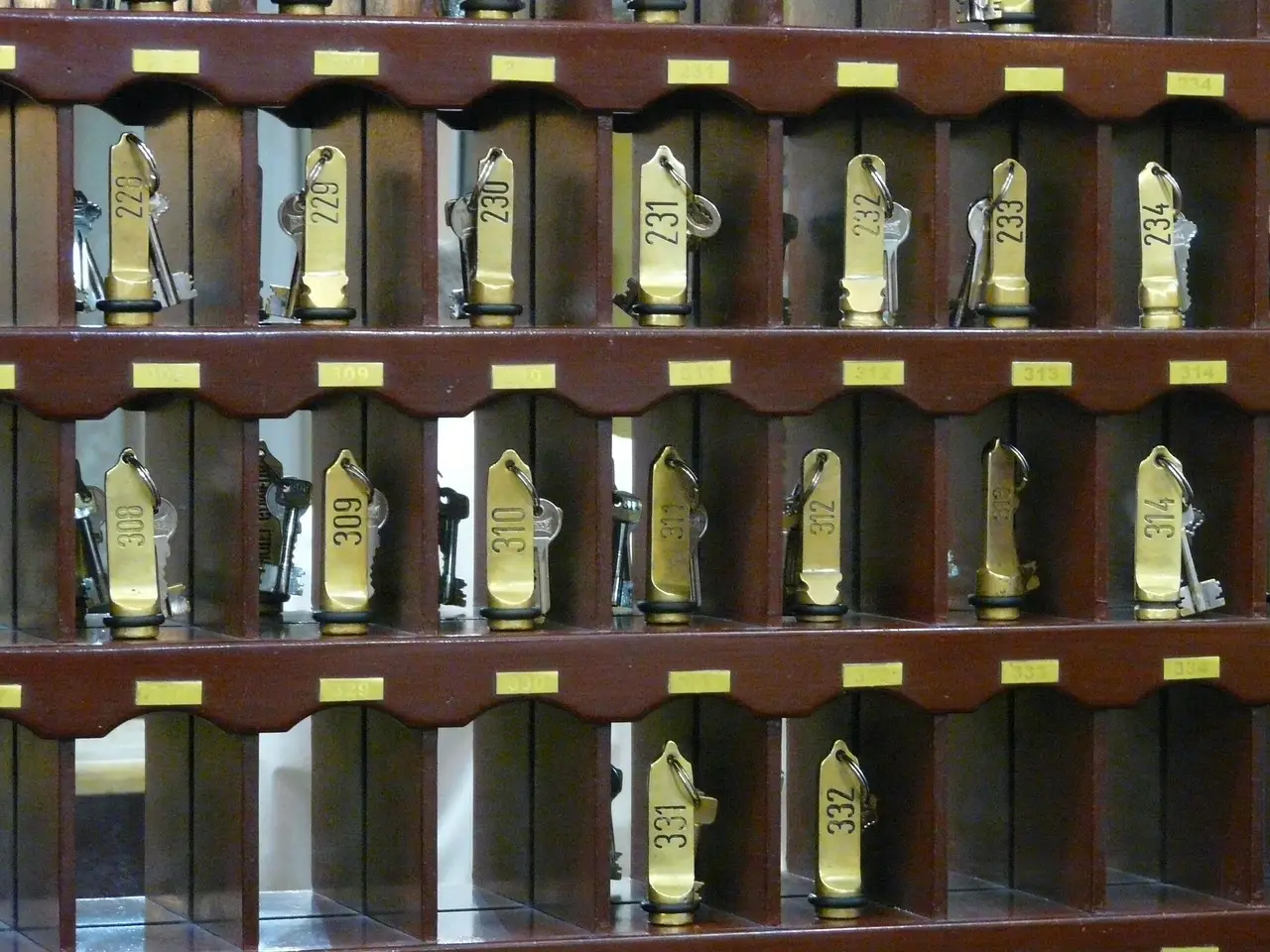
For a front-desk operator, the check lands at roughly the moment of handing over a room key. For an online seller, it lands earlier, in the pre-arrival flow, where a documentation request can quietly become a cancelled reservation and a refund conversation. Confirmation emails and pre-arrival checklists now read as compliance touchpoints rather than marketing.
What does the law leave unanswered?
"Tourism service provider" carries the whole rule, and neither the gazette note nor Canada's advisory defines it in commercial terms. Sellers are left to work out whether the duty reaches an online travel agency (a platform selling rooms it does not operate), a packaged-tour wholesaler, a destination management company ground handler or a timeshare desk. Until an enforcement body or a court says otherwise, the scope is a question, not a finding.
How much of this is measured, and how much is projected?
Almost all projection. The gazette entry and Canada's advisory describe a rule, not an outcome. No agency has published refusal counts, enforcement actions, cancellation data or any sizing of affected bookings. Sellers know the compliance cost, which is a document check and a possible refusal. They do not know the revenue effect, which is a booking lost or a room-night preserved. Reading the framework as a demand shock would be a forecast, not a finding.
Does Canada's risk rating move?
No. Mexico remains at Level 2 on Canada's advisory scale, a rating that urges travellers to exercise a high degree of caution because of "high levels of criminal activity and kidnapping." The Wednesday update addressed laws only.
Families can also register for ROCA (Registration of Canadians Abroad), the free and confidential service that notifies Canadian citizens abroad of an emergency overseas or a personal emergency at home. The government maintains a separate page on required documents for children travelling outside Canada, which is the reference most parents will actually use.
For sellers, the next meaningful datapoint won't be the gazette text but the first family check-in that ends without a room. Until Mexico or Canada publishes enforcement data, the industry is trading on a rule, not a measure.
via dailyhive.com (Source)
More from Daniel Okafor
Show full bio
Market editor covering technology and product news in Tourism industry coverage for trade professionals at Travel Trade Desk.
625 articles
Also boarding · Related articles
- 08:28
Mexico's New Guardianship Law Puts Document Checks on Hotels and Tour Operators
- 02:59
UK Foreign Office Warns Against Mexico Travel as Major Storm Approaches
- 02:54
Canada's Visa Rules for Mexicans Cap Inbound Tourism, Operator Says
- 02:59
Canada's Mexico Visa Rule Caps Inbound Tourism, Operator Says
- 19:35
Yucatán Takes Its Culture and Cuisine Pitch to U.S. Travel Sellers