TTDTRATT 241
HeadBox Adds 10 U.S. Cities to Its Meetings-Venue Platform
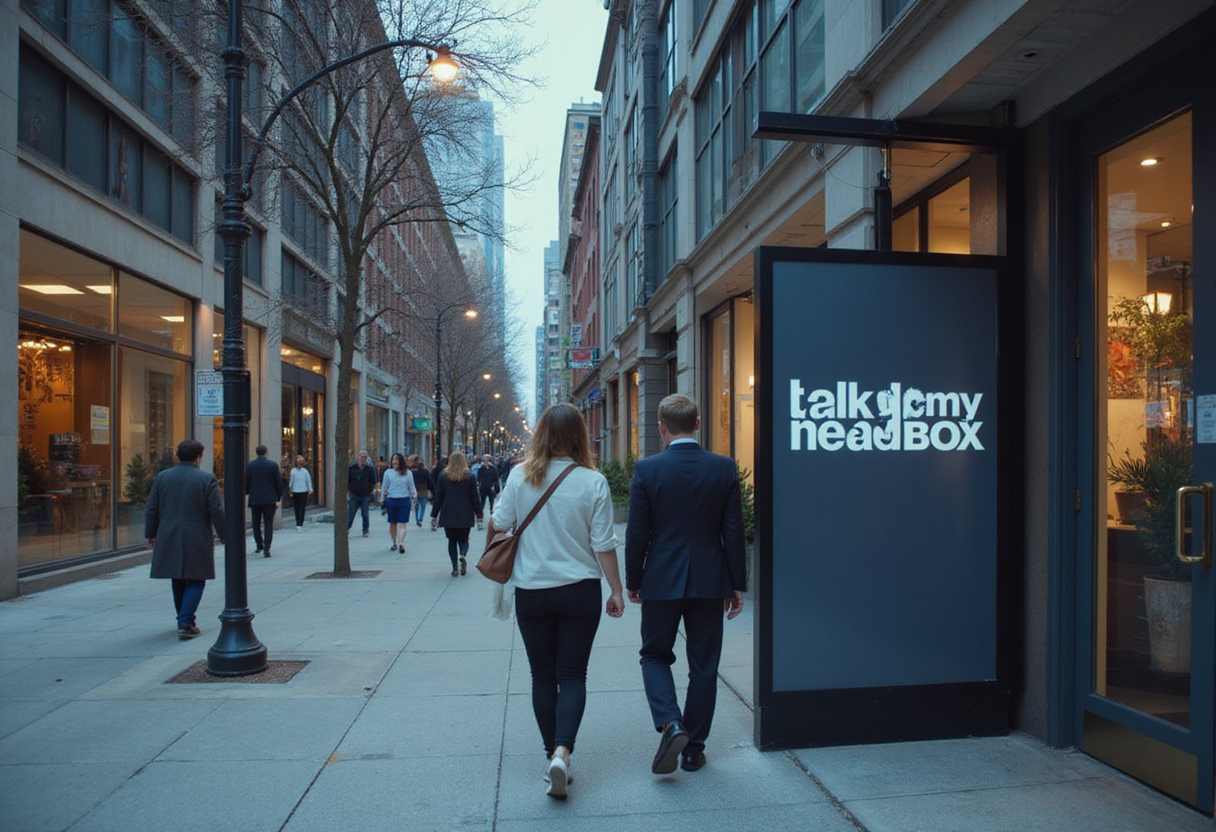
HeadBox has added 10 more U.S. cities to its venue-booking platform, extending its reach in the American corporate meetings and events market.
Itinerary
- HeadBox expanded its U.S. footprint to 10 additional cities
- The platform targets corporate meetings and events venue distribution
- The company has not disclosed the specific cities or investment value
- Expansion deepens competition in the U.S. MICE technology market
HeadBox has expanded its U.S. footprint to 10 additional cities, extending the reach of its venue-booking platform deeper into the American corporate meetings and events market.
The move signals the London-born company's intent to compete for a larger share of the U.S. meetings, incentives, conferences and exhibitions (MICE) distribution stack — a market where buyers increasingly expect instant, searchable venue inventory rather than request-for-proposal email chains.
For sellers of travel, the expansion matters in straightforward distribution terms. Hotels, independent venues and event spaces in the newly covered cities gain another digital channel through which corporate demand can reach them, while meeting planners and travel management companies gain a wider searchable supply base in a single platform.
What does the expansion change for venue supply?
HeadBox positions itself as a technology layer connecting event bookers with venue inventory. Adding 10 cities means the platform can now service corporate programs with multi-city footprints — a common requirement for companies running rolling training events, sales kickoffs and roadshows across the United States.
The expansion follows the pattern set by digital venue marketplaces over the past decade: aggregate fragmented supply, standardize the RFP and booking workflow, and capture commission or transaction economics on volume that previously flowed through manual channels.
Why the U.S. market?
The United States is the world's largest corporate travel and events market, and platform players that scale there typically convert coverage into pricing power with both sides of the marketplace. HeadBox's push into additional cities suggests it sees unserved or underserved demand outside the major first-tier markets where venue-tech competition is already concentrated.
For competing platforms, the question is whether HeadBox's added coverage pulls corporate buyers to consolidate their venue sourcing onto one tool — which in turn pressures venues to list on it or risk losing visibility in corporate sourcing workflows.
What should sellers and DMOs watch next?
The concrete indicators to track are booking volumes from the new cities, the share of corporate RFPs routed through the platform rather than direct channels, and any commission or fee structure changes HeadBox introduces as U.S. volume scales.
HeadBox has not disclosed, in the announcement as reported, the specific cities added or the investment behind the expansion. That leaves the commercial terms of the widened footprint — listing economics for venues, pricing for corporate buyers — as the open questions that will determine whether the growth translates into durable distribution share or simply broader map coverage.
The company's next move, industry watchers expect, will be signaling U.S. adoption metrics as the new city operations mature.
via Google News: Business travel (Source)
More from Tom Whitfield
Show full bio
Staff writer covering media and advertising at Travel Trade Desk.
295 articles
Also boarding · Related articles
- GLO03:14
Global Conference Returning to Queenstown in 2028 as Tech Hub Push Builds
- ITB07:43
ITB Asia Broadens Scope Across Travel, Tech and MICE Segments
- TEM05:05
TempoTrip Takes Aim at Manual Meeting Air Workflows
- MAJ05:15
Major Events Fuel Business Travel Growth, AmEx Survey Finds
- SPO22:38
Spotnana Acquires TROOP to Merge Meetings Into Corporate Travel Tech Stack