TTDTOUTT 896
Fake Booking Sites Target Son Doong Cave Tours, Operator Warns
The operator of Son Doong Cave expeditions has warned that fake booking websites are impersonating it, putting scarce high-value Vietnamese adventure product at fraud risk.
Itinerary
- The operator of Son Doong Cave tours has publicly warned of fake booking websites impersonating it
- Son Doong, in Quang Binh Province, Vietnam, is widely cited as the world's largest cave
- Access is restricted to a single licensed operator with limited permits
- The operator advises booking only through its official channel
The tour operator running trips into Son Doong Cave has warned customers that fake booking websites are impersonating it online. That's the whole story, and for anyone selling or reselling Vietnamese adventure product, it's not a small one.
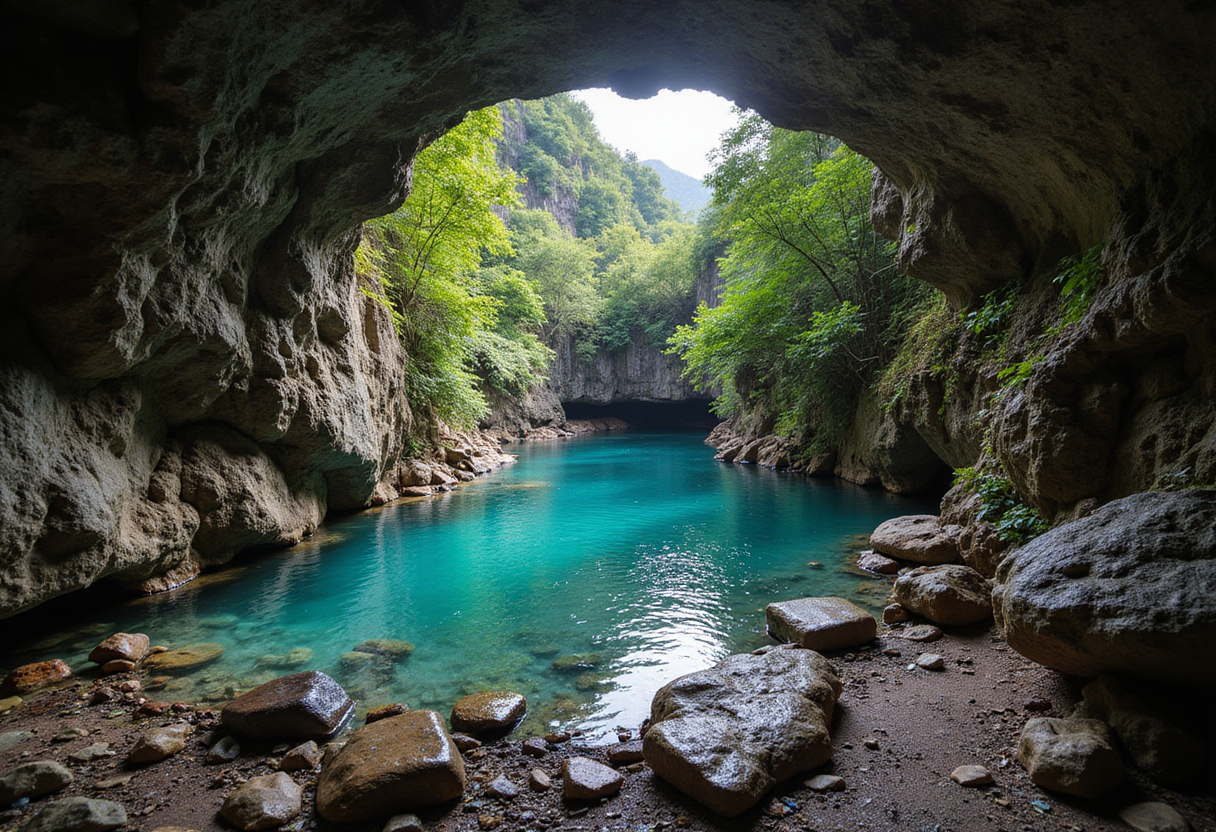
Son Doong, in central Vietnam's Quang Binh Province, is widely cited as the world's largest cave. Access is tightly restricted: a single licensed operator runs the expeditions, and permits are limited. Scarcity is the product. It's also, inconveniently, the perfect setup for fraud.
Why fake sites work on scarce inventory
When supply is capped and demand outruns it, travellers go looking. Fraudulent sites that clone the operator's branding, imagery and booking flow intercept that search traffic. The customer pays. The cave, regrettably, does not materialise.
The operator's warning boils down to a simple instruction: book only through the official channel, and treat anything else as suspect. It's advice that costs nothing to give and, historically, not much to follow.
What does this mean for sellers of travel?
For agents and tour wholesalers, the incident is a reminder rather than a scandal. High-value, low-volume product carries disproportionate fraud risk, and the damage lands on more than the duped traveller.
- Chargebacks and disputes hit whichever payment link processed the fake booking.
- Reputational spillover can depress legitimate inquiries for the same product.
- DMOs and operators end up spending marketing budget on scam warnings rather than sales.
Vietnam's tourism sector has pushed hard on flagship natural attractions like Son Doong to move the country upmarket from volume tourism. A handful of spoofed websites won't reverse that. A steady drip of defrauded customers, though, is the kind of friction that quietly does.
The standard playbook
There's no novelty here, which is the point. Fake booking sites have shadowed scarce, premium travel product for years — trekking permits, island lodges, expedition cruises. The pattern repeats because it still works.
The available defenses are unglamorous: official-channel messaging, takedown requests, and consumer education. The operator has now done at least the first and last of those by going public with the warning.
Whether the fraudulent sites get taken down, and how quickly, will say more about enforcement capacity in the market than about the operator's vigilance. For now, the practical guidance for trade buyers is the same as for travellers: verify the seller before the money moves.
via Google News: Tour operators (Source)
More from Daniel Okafor
Show full bio
Market editor covering technology and product news in Tourism industry coverage for trade professionals at Travel Trade Desk.
353 articles
Also boarding · Related articles
- HOT01:10
Hotels Confront Rising Threat of Online Travel Scams
- CAM21:38
Cambodia Courts Group Travel as GX Reporters Tour On Location
- VIE05:18
Vietnam's Online Travel Market to Double to $8B by 2030
- BEI02:59
Beijing Opens Fair-Competition Probe Into Four Online Booking Platforms
- CHI03:04
China Opens Probes Into Four Online Travel Booking Platforms