TTDOTATT 657
FAA Ground Stop Triggers 8,500 Delays and 7,900 Cancellations
A telecom outage grounded all U.S. flights for four hours Friday, stranding thousands before Thanksgiving as airlines waived fees and rentals absorbed demand.
Itinerary
- FAA lifted the national ground stop at 8:15 p.m. ET Friday after roughly four hours, with over 3,500 planes airborne when it began.
- FlightAware counted 8,501 U.S. flight delays and 7,935 cancellations by 10:11 p.m. ET Friday.
- It was the third nationwide ground stop in U.S. history, after 2001 and January 2023.
- The White House and DOT asked Congress for an additional $30.1 billion, on top of $12.5 billion approved in 2025.
- JetBlue canceled all remaining Friday flights except JFK and Boston Europe departures; United and Delta waived change fees.
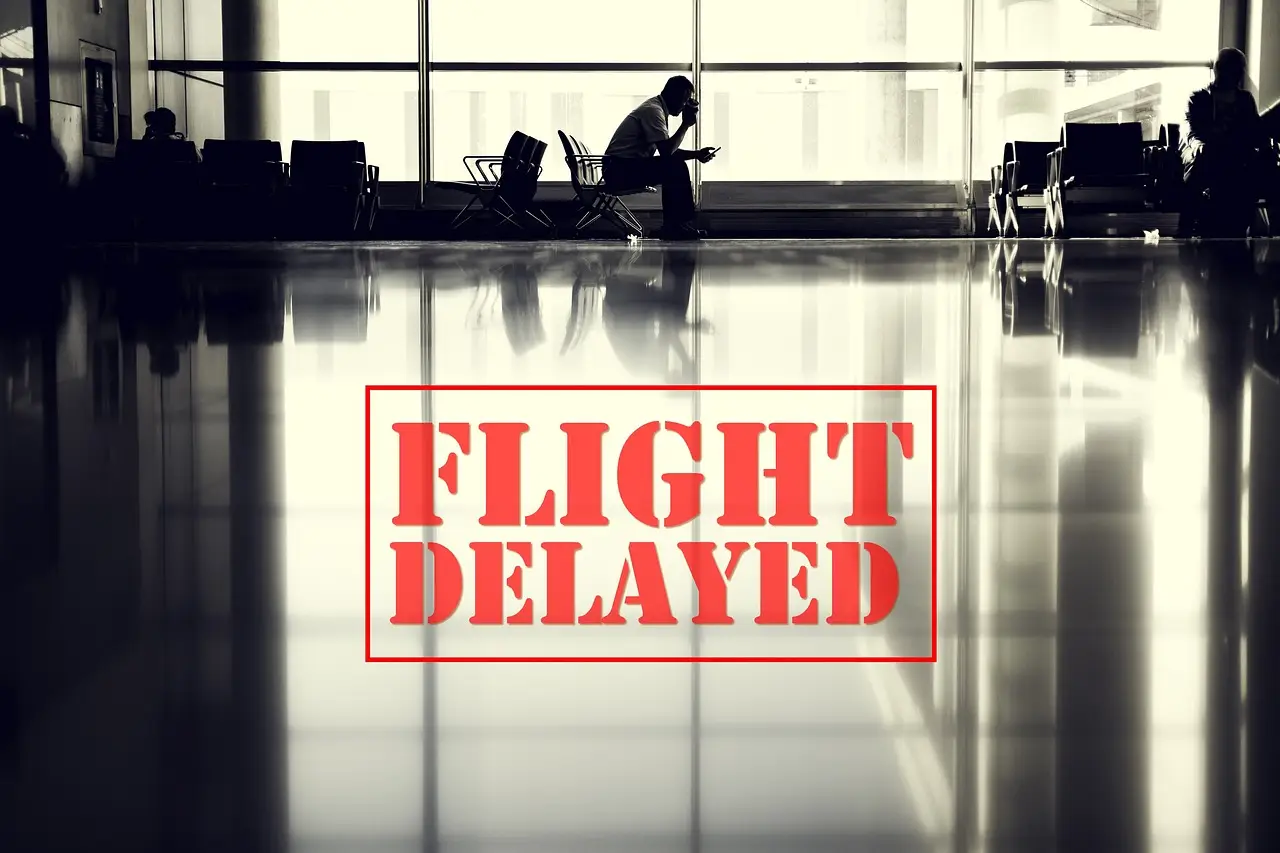
A four-hour national ground stop ended at 8:15 p.m. ET on Friday, leaving 8,501 delays and 7,935 cancellations across U.S. flights as of 10:11 p.m., according to FlightAware. The Federal Aviation Administration ordered the halt — only the third nationwide ground stop in U.S. history — after a telecommunications outage disrupted radar and communications at Air Route Traffic Control Centers.
The impact lands squarely on sellers of travel heading into the Thanksgiving peak, with airlines, car rental firms and rail all absorbing displaced demand on a weekend when it was already scarce.
What went wrong?
Transportation Secretary Sean Duffy said instability first appeared at 3:36 p.m. ET in the radar and communications systems at air traffic centers. When the ground stop took effect, more than 3,500 aircraft were airborne. Not all radar and communications were lost, he said.
Duffy blamed aging hardware. "What we have is an incredibly old air-traffic control system," he said, adding that switches and routers became "overloaded" with data and then produced inconsistent information. Newer equipment did not fail, he said, pointing to legacy systems as the likely cause.
DHS Secretary Markwayne Mullin told reporters there was no indication of a malicious attack. "It appears that this was mechanically driven, however, we're still looking, so we're not going to rule that out," Mullin said. He stated the public was never in danger and no lives or flights were at risk.
The episode was the third national ground stop after September 11, 2001, and a January 2023 pilot alert system failure. Rare as they are, they now cluster within three years — a pattern tied to infrastructure the FAA is still racing to replace.
How are airlines responding?
Carriers split on recovery speed, and the differences shape rebooking economics for agents and OTAs through the weekend:
- American Airlines said it would prioritize flights to non-hub cities and international departures to reposition aircraft and crew, and it issued a travel alert with a refund option.
- United Airlines resumed some flights Friday night and waived change fees and fare differences under its travel waiver.
- Delta Air Lines said it would take time to reset operations and rebook customers automatically to the next best itinerary after cancellations, with free flight changes.
- JetBlue canceled all remaining Friday flights except Europe-bound departures from JFK and Boston, and warned of additional cancellations into Saturday, with a fee waiver in place.
Marc Nichols, FAA chief counsel under President Joe Biden, told Newsweek that nationwide stops are unusual and could stem from weather, security or system malfunctions, but that speculation on cause was premature. In short: airlines are carrying the cost of resets that were not their fault, and waivers will squeeze yield into next week.
Where is the spillover demand going?
Displaced travelers moved to ground alternatives. Amtrak and rental car companies reported high demand. A Hertz spokesperson said the company saw "increased one-way rental activity" and was managing vehicle availability across its network. Enterprise Mobility, covering Enterprise, National and Alamo, confirmed higher demand and pointed customers to local availability.
The disruption also hit college football: Kansas-West Virginia moved to 3:30 p.m. ET, UCF-Arizona State to 5:30 p.m. ET, and BYU-Baylor to 7 p.m. ET on Saturday.
What happens next?
Duffy said air travel should return to normal in time for Thanksgiving but that "it's going to take us some time to unwind what's happened this afternoon." He used the briefing to press for funds, calling the situation "an emergency," and drew bipartisan pushback from lawmakers demanding answers on whether it could recur.
The funding backdrop: Congress approved $12.5 billion over five years in 2025 for ATC modernization, and on Friday the White House and Transportation Department requested another $30.1 billion — including $10.1 billion for air traffic control modernization, $2 billion for control towers and $18 billion for airport projects, Reuters reports. The FAA said last week it will eliminate floppy disks still used at more than 400 facilities by the end of 2028, while the agency also faces a controller shortage.
The takeaway for sellers: expect residual waivers and rebooking costs through the weekend, and expect the modernization fight in Congress to determine whether the next ground stop is years away or one overloaded router away.
via newsweek.com (Source)
More from Tom Whitfield
Show full bio
Staff writer covering technology and product news in Tourism industry coverage for trade professionals at Travel Trade Desk.
551 articles
Also boarding · Related articles
- FAA04:49
FAA's Rare Nationwide Ground Stop Cancelled 5,700-Plus Flights
- MOR04:34
More Than 6,000 Flights Canceled as FAA Lifts U.S. Ground Stop
- FAA12:14
FAA Ground Stop: Over 3,220 Flights Canceled as Vendors Deny Blame
- FAA05:29
FAA Orders Nationwide Ground Stop After Communications Failure
- FAA06:34
FAA Nationwide Ground Stop Grounds All U.S. Departures, Biggest Disruption Since 9/11