Business Travel
Expensify Launches AI Expense Analytics for Business Travel Teams
Expensify launched Insights to surface spend trends, approval delays and policy violations, but disclosed no pricing, adoption, measured savings or booking impact.
Itinerary
- Expensify launched Insights with three analysis areas: spend, efficiency and compliance.
- Spend tracking covers category, merchant and time-period views, with side-by-side comparisons and running totals.
- Managers can trace bottlenecks from submission through approval and payment.
- Concierge explains chart drivers, suggests next steps and links members to underlying expenses.
- Chief product officer Jason Mills cited a five-person startup and a Fortune 500 company in comparing access to analytics.
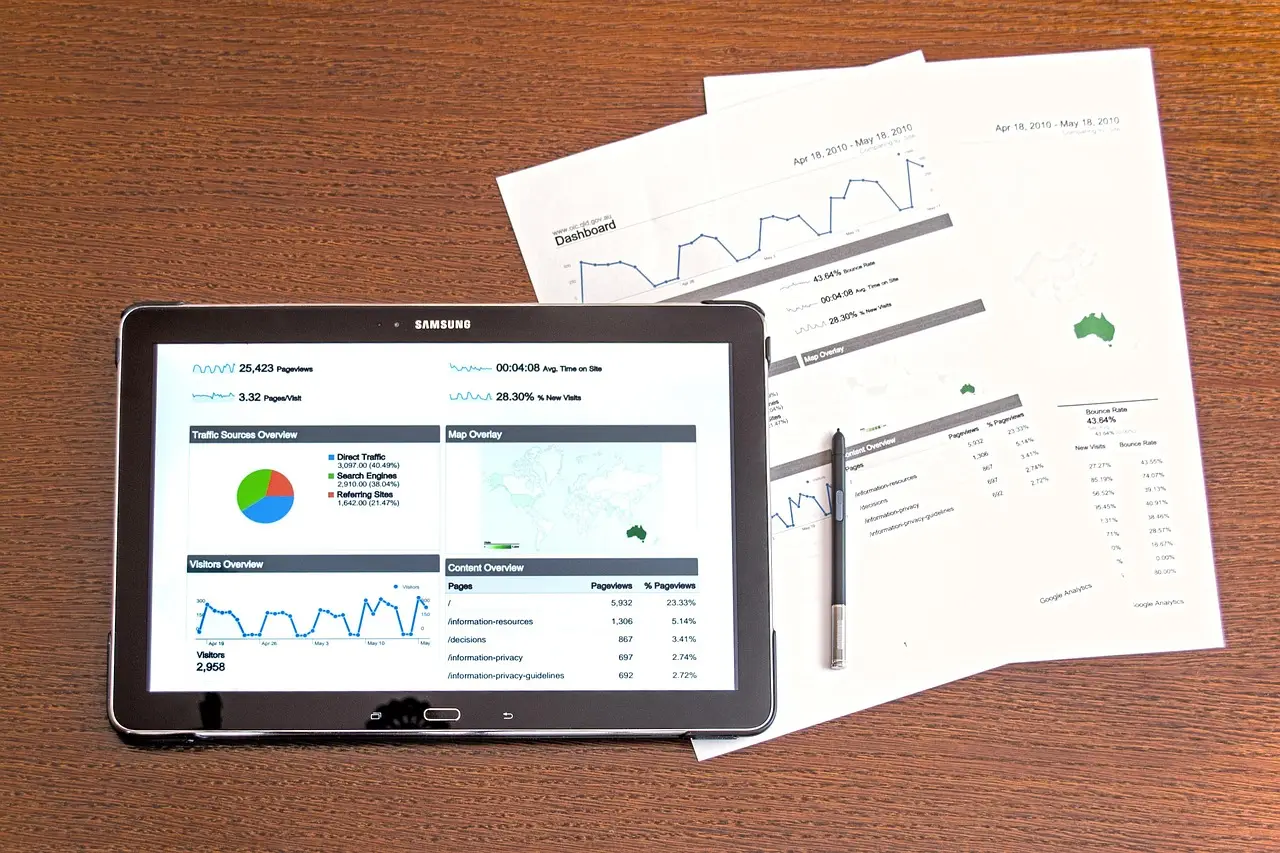
Expensify has launched Insights across three parts of its expense platform—spend, efficiency and compliance—adding automatic spending-trend and processing-delay detection plus cost-reduction and policy-violation analysis to its corporate-card and business-travel offering. Expensify disclosed no price, customer count, measured savings or booking impact.
Expensify calls Insights AI-powered analytics, meaning software that identifies patterns in expense data and explains the resulting findings. The company says it turns spending data into actionable findings, surfaces cost-reduction opportunities and helps managers make decisions without spending hours building reports. It did not quantify those savings.
The feature addresses three recurring management questions: which categories drove spending last month, where approvals stalled this month, and which employees generated the most policy violations. According to Expensify, Insights surfaces answers proactively through visual dashboards and simple explanations, making company spending and expense workflows easier to understand.
What does Insights analyze?
- Spend: Managers can track expenses by category, merchant and time period. The system highlights significant changes and patterns, compares spending side by side with prior periods, and maintains running totals to flag potential overspending before a period ends.
- Efficiency: Managers can locate bottlenecks from submission through approval and payment, then use the findings to identify delays and target improvements in processing time.
- Compliance: The feature brings recurring policy violations and broader trends into one place, helping managers determine whether policies need clarification or closer attention.
What has Expensify demonstrated?
Expensify chief product officer Jason Mills said: “Your expense data already knows why costs went up. Insights can tell you before you think to ask, and you don’t have to set anything up ahead of time. It just works.”
That last claim remains a product promise: Expensify supplied no setup-time benchmark, implementation sample or measured outcome against which to test it. The announcement describes what the software should surface, not the results companies have achieved.
He framed the value proposition this way: “Now, a five-person startup can get the same answers that a Fortune 500 company pays a team of data analysts to find.” Expensify offered no analyst-cost estimate, comparison study or evidence that output quality matches a staffed analytics team.
What changes for travel sellers?
Members can click “Explain” on any chart or finding, prompting Concierge, Expensify’s AI assistant, to identify what drives the result and suggest next steps. If software spending rises, for example, Concierge identifies the contributing expenses. Members can ask follow-up questions or click through to the underlying expenses.
For business-travel sellers, the mechanism is clear even though the market effect is not. Managers can identify possible overspending before a period closes and recurring policy violations in one place. If companies act on those findings, they may steer purchasing toward options already aligned with policy and away from higher-cost or out-of-policy choices, affecting supplier revenue and intermediaries’ booking mix.
Insights may strengthen Expensify’s position in expense management by reducing report-building work, which could support corporate-card and business-travel adoption. Yet the company disclosed no pricing, travel-supplier contract, usage rate or revenue figure, so neither platform share nor supplier volume can be measured from the announcement.
The announcement provided no information about changes to booking channels, card acceptance or supplier integrations. Travel sellers therefore face no confirmed distribution change; any effect on how employees buy travel remains dependent on company policy and management response.
The next measurable test is whether companies use Insights to change approvals and spending, and whether Expensify begins reporting adoption, savings, customer conversion or revenue. Until then, the launch expands expense analytics but leaves the consequences for travel distribution, seller revenue and platform share unproven.
via businesstravelexecutive.com (Source)
More from Elena Vasquez
Show full bio
News editor covering regulation, policy and their impact on Tourism industry coverage for trade professionals at Travel Trade Desk.
628 articles
Also boarding · Related articles
- 07:35
Expensify Links Up With AI-Native ERP DualEntry
- 15:50
Expensify and DualEntry Opt for Direct Integration in Expense Automation
- 14:25
Expensify Connects Two-Way Data Sync With Campfire
- 12:48
Emburse Report Points to Rise in Enterprise Spending for 2026
- 18:27
Navan Bets ROI Measurement Will Win Corporate Travel Buyers