TTDDESTT 390
Eurovision Asia Opens in Bangkok as Thailand's Events Bet Faces Its First Test
Bangkok hosts Eurovision Asia on Nov. 14 with no revenue estimate and no state funding disclosed, as arrivals fall 7.2% and Thailand targets $118 billion by 2032.
Itinerary
- Thailand hosts the first Eurovision Song Contest Asia in Bangkok on Nov. 14 with 11 countries competing at One Bangkok Forum.
- Foreign arrivals fell 7.2% to 32.9 million in 2025; TAT expects just over 31 million this year.
- Draft tourism plan targets 4 trillion baht ($118 billion) annual revenue by 2032, about 48% above 2025.
- Agoda searches for Bangkok rose 14% and Amadeus air arrivals rose 11% for Nov. 12-14, but hotel occupancy (60%) and ADR ($143.20) show no festival-specific spike.
- Tomorrowland Pattaya carries a 2 billion baht state commitment and a 5.3 billion baht revenue projection; Eurovision Asia has neither.
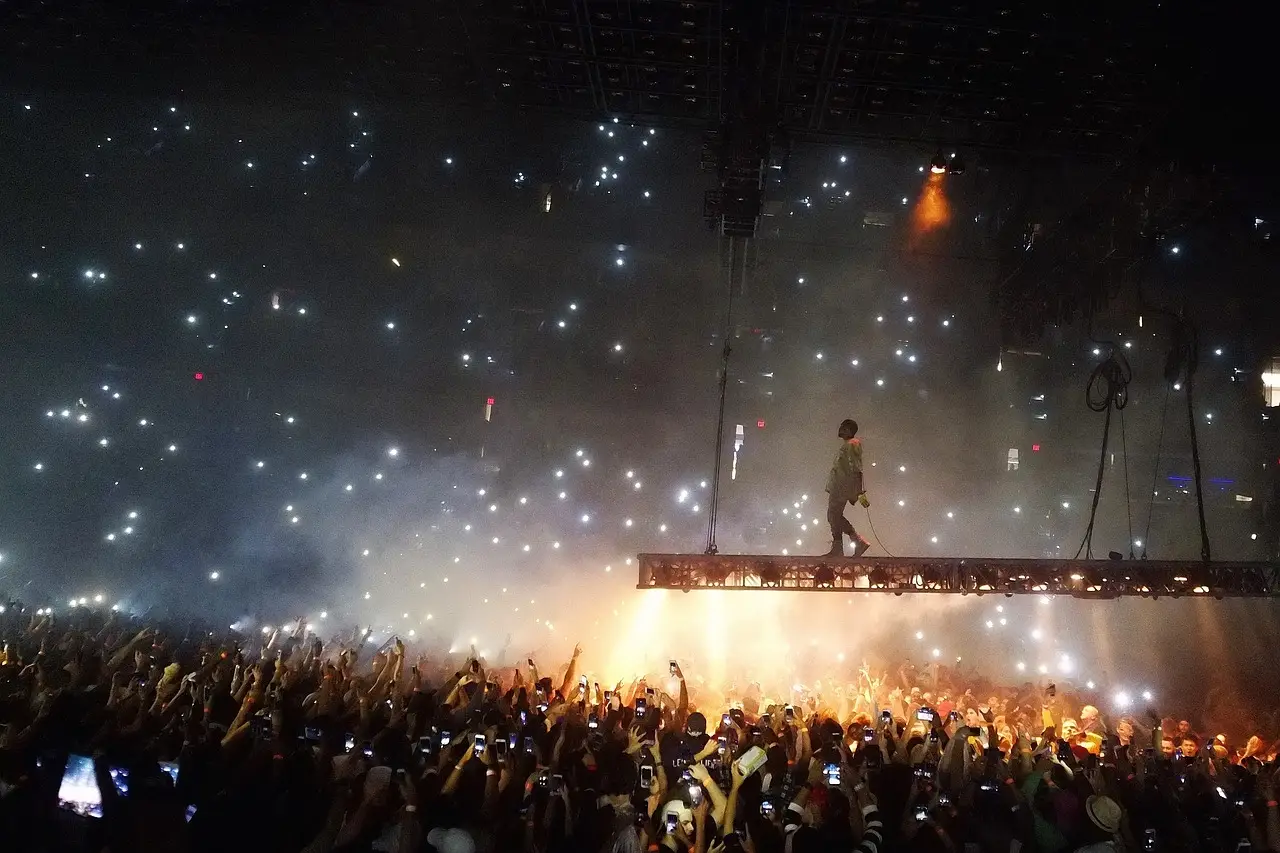
Bangkok hosts the first Eurovision Song Contest Asia on November 14, and Thailand's tourism authority has no revenue estimate for it. Eleven countries compete at One Bangkok Forum in what amounts to a live experiment: can global events lift revenue per visitor while total arrivals keep shrinking?
The stakes are quantified. Foreign arrivals fell 7.2% to 32.9 million in 2025, and the Tourism Authority of Thailand (TAT) expects just over 31 million this year — below the government's earlier 33 million forecast. Yet the draft tourism plan targets at least 4 trillion baht ($118 billion) in annual revenue by 2032, roughly 48% above 2025 levels. No budget, arrivals assumption, or spending-per-visitor goal is attached to that target.
TAT Governor Thapanee Kiatphaibool framed the contest as strategy, not spectacle. "Hosting the first-ever Eurovision Song Contest Asia reflects Thailand's Value over Volume direction, where global events are leveraged to deliver quality tourism, meaningful experiences and long-term benefits for local communities," she said in April. That's a pitch, not a result — and TAT told Skift it does not oversee the contest at all.
What does the demand data actually show?
The early signals point in two directions. Agoda searches by Asian travelers for Bangkok stays over the contest window rose 14% year over year. Amadeus shows air arrivals up 11% for November 12–14. So far, so festival-like.
But the hotel numbers tell a flatter story. Occupancy of 60% and an average daily rate of $143.20 show similar gains before and after the contest dates. Amadeus itself concluded this suggests a broader seasonal trend rather than a festival-specific spike. In plain words: Eurovision Asia is riding Bangkok's November upswing, not creating it.
"For this first edition, I expect visibility and discovery to be the main benefits," said Nat Srinara, a Singapore-based hospitality consultant and EHL Hospitality Business School lecturer. Translation — the payoff this year is publicity, not spending.
How does it compare with Tomorrowland?
The contrast with Thailand's other events bet is stark. TAT projects Tomorrowland's Pattaya edition in December will generate about 5.3 billion baht ($158 million), backed by a disclosed 2 billion baht ($60 million) state commitment over five years. Eurovision Asia has no published revenue estimate and no disclosed state funding.
That asymmetry matters for sellers. A festival with a 5.3-billion-baht projection gives hoteliers and distributors a number to price against; a publicity play gives them none.
Why Bangkok needs the calendar to work
The backdrop is deteriorating. Third-quarter RevPAR in Bangkok fell 5.3% from the previous quarter, and Kasikorn Research Center counted 148 hotel and accommodation closures nationwide through September — up 42%. That's more than one closure every two days.
One contest night won't reverse that. A steady, costed calendar of events with disclosed government backing just might — but until TAT attaches numbers to Eurovision Asia the way it has to Tomorrowland, the strategy remains a hypothesis under test.
via Skift (Source)
More from Grace Kim
Show full bio
Correspondent covering money, funding and market shifts around Tourism industry coverage for trade professionals at Travel Trade Desk.
547 articles
Also boarding · Related articles
- THA12:08
Thailand Bets $118 Billion on Spending, Not Arrivals
- CON10:14
Concert Ticket Bundles Jump 64% as Trip.com Targets Music-Led Travel
- THA16:39
Thai Travel Agents Push Back Against B1,000 Levy
- TRI09:49
Trip.com's $8.9B Year Leads Asia's 2026 Travel-Tech IPO Wave
- VIE13:44
Vietnam Overtakes China as Cambodia's Top Source Market