TTDHOSTT 628
Disney Holds $104 Entry Ticket Flat, Pushes Price Hikes to Add-Ons
Disney froze its $104 cheapest ticket and $224 top tier while raising add-ons up to $50 — a barbell play that lifted attendance 3% and per capita spend 4%.
Itinerary
- Disneyland's cheapest one-day ticket has held at $104 since 2019; the $224 top tier went unchanged for the first time since tiered pricing began in 2016.
- The Lightning Lane Premier Pass ceiling rose $50 to $499; Disney World annual passes rose $10 to $120.
- Top one-day Disneyland tickets are up nearly 90% in a decade, from $119 to $224, per Mickey Visit.
- Domestic parks attendance grew 3% last quarter with per capita spending up 4%.
- First pricing round under CEO Josh D'Amaro, alongside a $60 billion 10-year parks investment plan.
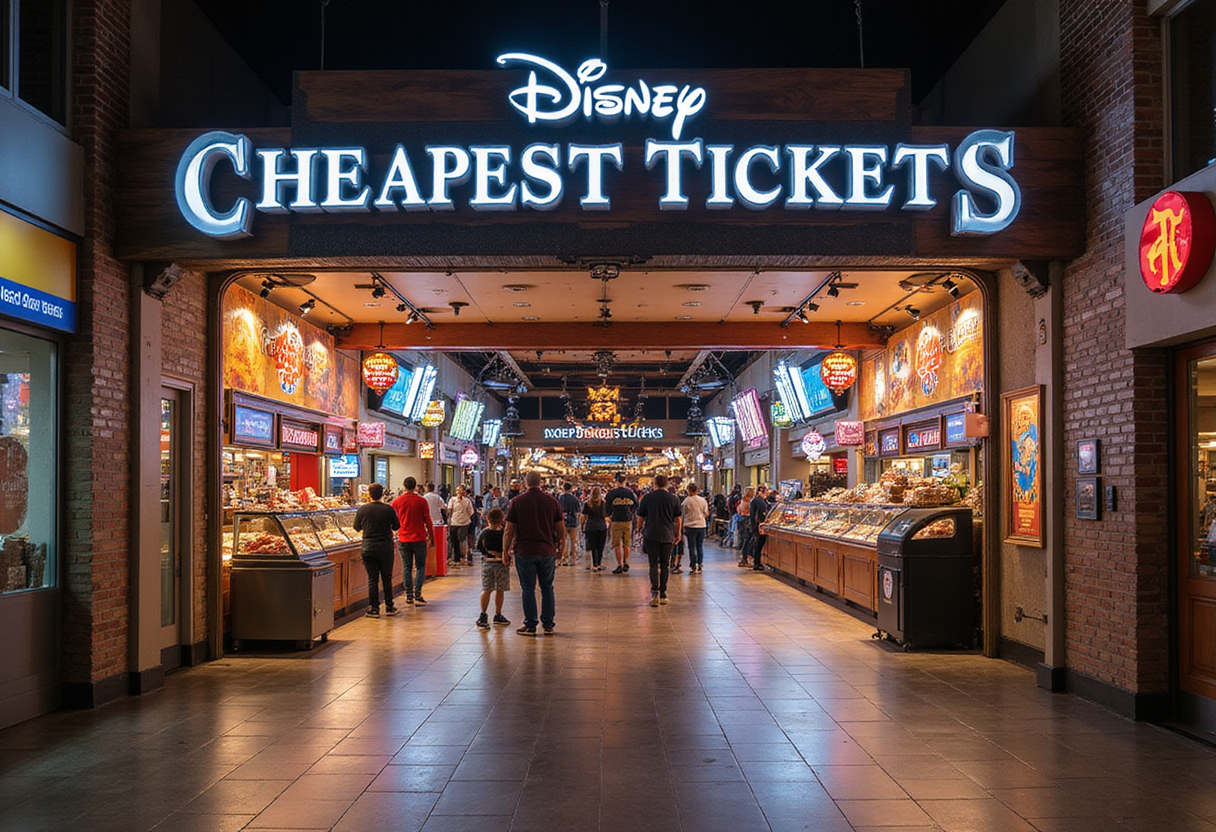
Disney froze its cheapest one-day Disneyland ticket at $104 — unchanged since 2019 — and left the $224 top-tier ticket flat for the first time since tiered pricing launched in 2016, while pushing its October increases entirely onto paid add-ons.
The Lightning Lane Premier Pass ceiling at Disney World rose $50 to $499, Park Hiper climbed $5 to a higher tier, and Disney World annual passes increased $10 to $120. The Lightning Lane Multi Pass also went up $1, and peak one-day Disney World tickets now cost $229.
The moves extend what analysts call a barbell approach: cheap entry points at the bottom, premium monetization at the top. The bet is that budget-conscious first-timers — especially young families — become bigger spenders as their wealth builds.
Chief Financial Officer Hugh Johnston laid out the logic at a Goldman Sachs conference last month, saying pricing is something Disney is "acutely sensitive to." He framed cheap tickets as an on-ramp for families who keep returning as their incomes grow.
How steep has Disney's pricing climb been?
The top of the ladder has moved dramatically. According to analysis from Disney news site Mickey Visit, the highest-priced one-day Disneyland ticket has increased nearly 90% over the past decade, from $119 to $224.
The bottom has not moved at all. Disneyland's lowest tier has held at $104 since 2019, and the parks have layered in discount programs targeting local residents and evening-only guests to widen the entry funnel further.
That structure lets Disney defend attendance volumes — the metric most exposed to consumer sentiment — while extracting more revenue from visitors already willing to pay for upgrades.
Is the strategy working?
The measured results suggest yes, at least domestically. Disney's domestic parks attendance grew 3% last quarter, and per capita spending rose 4%. Johnston attributed much of that growth not to ticket inflation but to add-ons: Lightning Lanes, VIP tours and high-end restaurants.
The contrast with competitors is stark. United Parks & Resorts and Universal both reported softer attendance in the most recent quarter, citing weaker international demand and deteriorating consumer sentiment. Disney's add-on-driven model, in other words, is outperforming peers on the same demand backdrop.
For sellers of travel and distribution partners, the message is that Disney's revenue growth is concentrating in ancillaries rather than base admission — a shift that favors packaging strategies built around Lightning Lane, Premier Pass and premium experiences rather than ticket price arbitrage.
What changes under the new CEO?
This is the first pricing round under Josh D'Amaro, who became CEO in March. It arrives alongside a $60 billion, 10-year parks and cruise investment plan announced in 2023, meaning capacity — and the premium experiences that fill it — will keep expanding.
The October changes signal that D'Amaro intends to keep the entry gate wide and monetize deeper in the park, with the next test being whether add-on price ceilings like the $499 Premier Pass continue to find buyers without denting the 4% per capita spending growth.
via Skift (Source)
More from Grace Kim
Also boarding · Related articles
- CAR16:15
Carnival Half Booked for 2027 at Record Prices
- CAR07:13
Carnival Posts Record Quarter, but Fuel Costs Bite
- GBT01:00
GBTA Projects Global Business Travel Spend to Reach $1.71T in 2026
- CAR01:10
Carnival's Pricing Move Turns Waiting Into a Gamble for Bargain Hunters
- CAR10:35
Carnival Banks $150 Million in Gains as AI Push Offsets Fuel Costs