TTDCRUTT 307
Cruise Industry Wins Reprieve Over Coastal Shipping Rules
The cruise industry has secured a reprieve over coastal shipping rules, sparing operators from restrictions on domestic itineraries and protecting current deployment and sales.
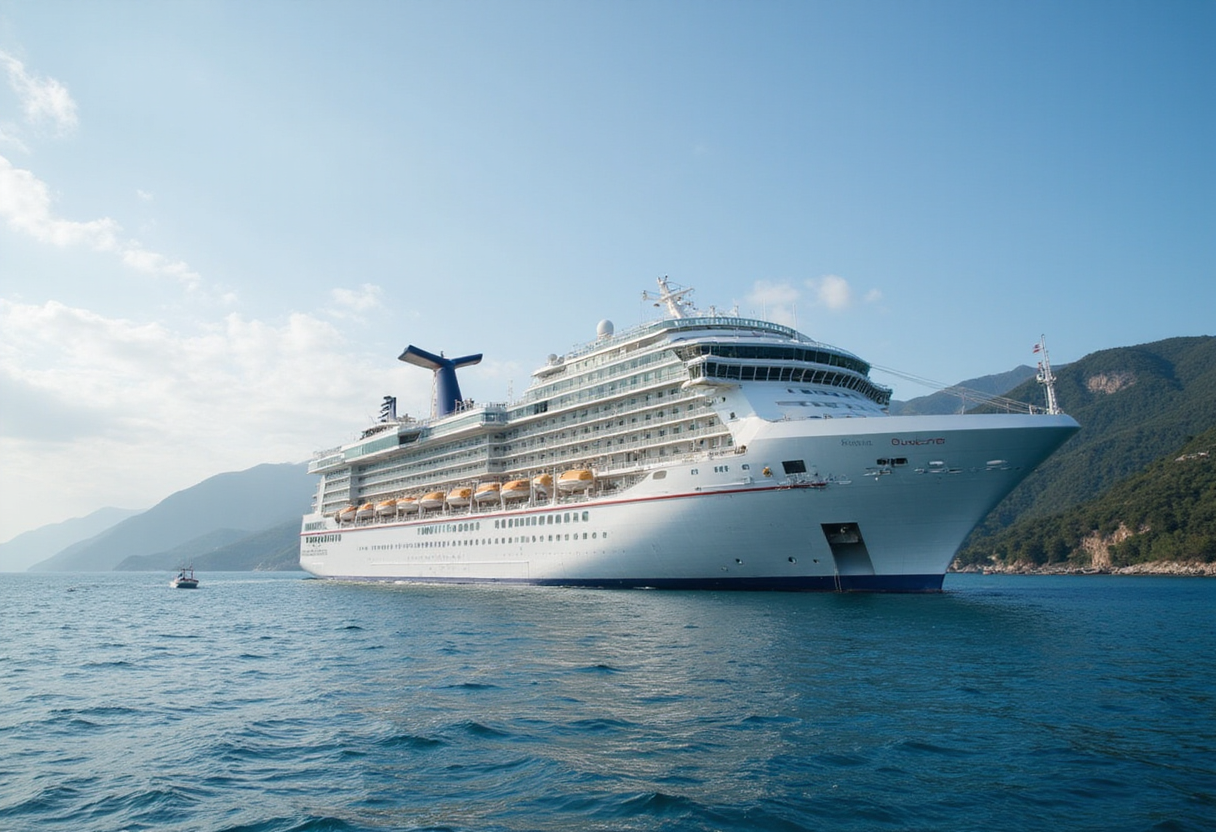
Itinerary
- The cruise industry has won a reprieve over coastal shipping rules.
- The decision relieves operators of anticipated restrictions affecting domestic itineraries.
- The reprieve preserves current deployment and distribution rather than granting new privileges.
- Longer-term reform of the coastal shipping framework remains unresolved.
The cruise industry has secured a reprieve over coastal shipping rules, a regulatory decision that relieves operators of restrictions that had constrained how they deploy ships on domestic itineraries.
Coastal shipping rules — often called cabotage laws — typically require vessels carrying passengers or cargo between ports within one country to be flagged, crewed or built to that country's standards. For international cruise lines, such requirements can block foreign-flagged ships from selling individual segments of a voyage between domestic ports, which limits itinerary design and revenue per sailing.
The reprieve means cruise operators can continue current deployment and distribution practices without an immediate change to how domestic itineraries are sold. For travel sellers, that stability matters: a tightening of cabotage enforcement would have forced itinerary restructures, repricing of affected sailings and potential removal of some port pairs from sale.
What does the reprieve change?
The decision preserves the status quo for cruise lines rather than introducing new privileges:
- Existing deployment of foreign-flagged cruise ships on affected routes continues without the anticipated regulatory constraint.
- Itinerary planning and cabin inventory for affected sailings remain unchanged, avoiding disruption to booked passengers and agent commissions.
- Any longer-term reform of the underlying coastal shipping framework remains a separate, unresolved policy question.
Why does this matter for travel sellers?
Cabotage disputes create direct commercial risk for distribution. When regulators restrict which port-to-port segments a foreign-flagged ship may sell, operators must reprice or withdraw inventory, and agents face repricing, refunds and rebooking work at their own cost. A reprieve removes that near-term operational threat.
The win also signals that industry lobbying on maritime regulation can hold off measures that would shift market share — in cabotage disputes, restricted routes typically benefit domestically flagged operators and domestic airlines at the expense of international cruise brands and their sellers.
What comes next?
The reprieve is a deferral rather than a final resolution, and the cruise sector can expect continued scrutiny of coastal shipping rules as governments weigh maritime protections against tourism revenue. Operators and sellers of travel should treat the current rules as stable for now, but monitor any future regulatory review that reopens the question.
via Google News: Cruise industry (Source)
More from Elena Vasquez
Show full bio
News editor covering marketplaces and e-commerce at Travel Trade Desk.
293 articles
Also boarding · Related articles
- CLI02:50
CLIA Backs Extension of Australia's Coastal Trading Exemption for Cruise
- CRU03:14
Cruise Sector Wins Maritime Law Reprieve Ahead of Peak Season
- AUS03:14
Australia Extends Cruise Cabotage Exemption Through 2028
- AUS03:14
Australia Extends Cruise Cabotage Exemption Through 2028
- CRU03:08
Cruise Lines Push Back Against Calls for Higher Ship Taxes