TTDCRUTT 513
Coast Guard Opens Criminal Probe Into MSC Poesia Over Alleged 'Magic Pipe'
The U.S. Coast Guard has opened a criminal probe into MSC Poesia over an alleged 'magic pipe' oil bypass, after an 11-day Miami detention and one cancelled 11-night sailing.
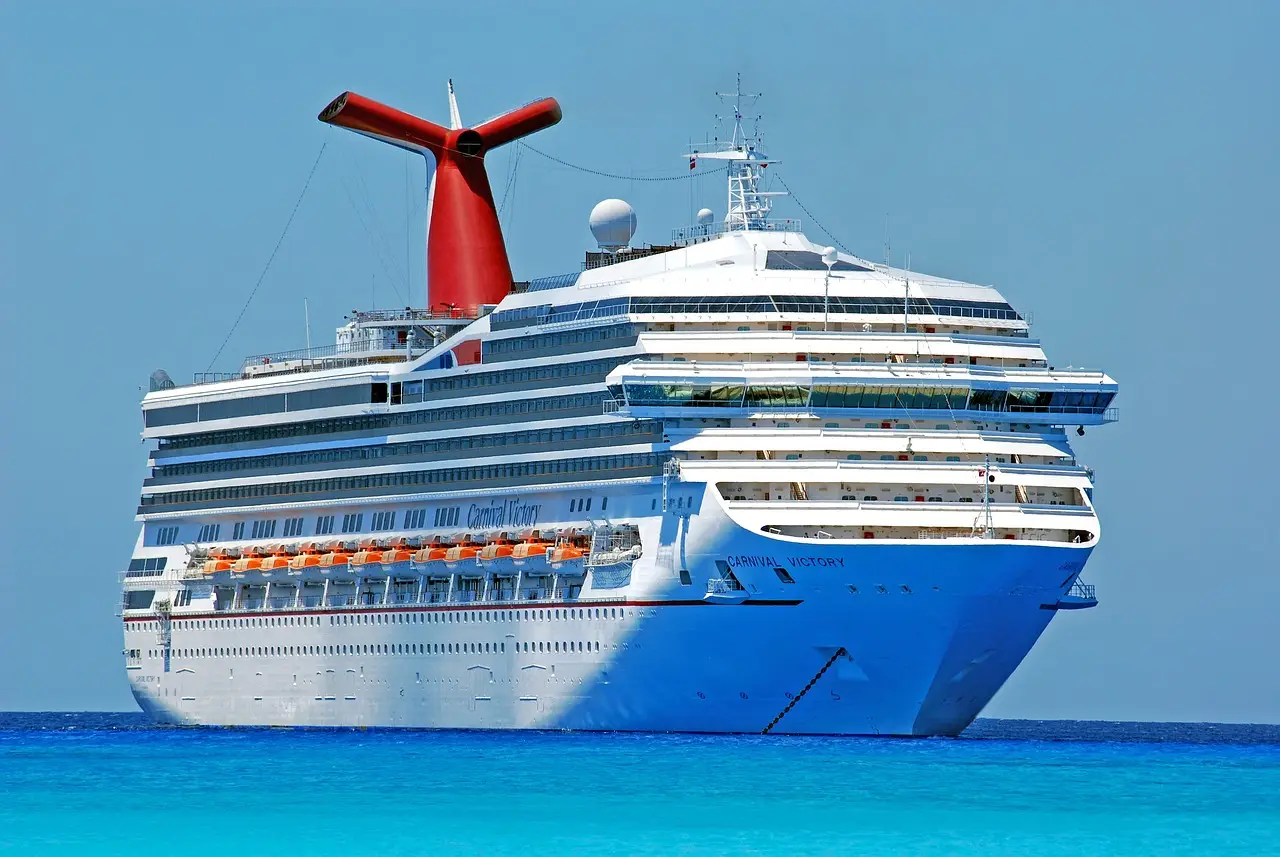
Itinerary
- MSC Poesia was detained at PortMiami from November 1 and released November 12.
- The alleged 'magic pipe' routed oil into the gray water system, bypassing required filtration.
- MSC cancelled an 11-night Southern and Western Caribbean sailing on November 1.
- Guests received a full refund plus a 100% future cruise credit.
- The ship departed November 12 on a 10-night Caribbean sailing returning November 22.
The U.S. Coast Guard has opened a criminal investigation into MSC Poesia over an alleged "magic pipe" — an illegal bypass that routes oil-contaminated water around required filtration equipment — according to CBS News, citing a U.S. official familiar with the probe. MSC Cruises has not commented, and the line's media office has yet to respond to outreach from Cruise Hive.
The ship was detained at PortMiami on Sunday, November 1, after a Coast Guard inspection flagged what the agency called deficiencies in onboard systems. It finally departed on Thursday, November 12. Eleven days in port, one cancelled voyage, and now the possibility of criminal charges.
What does the investigation allege?
The core of the case is the alleged "magic pipe," a term for rigged plumbing that discharges oily bilge water straight overboard instead of through the oily water separator (the filtration device maritime law requires). In this instance, the oil was apparently routed into the ship's gray water system, which operates under looser discharge rules and would disguise the origin of the waste.
Investigators want to establish who was involved — crew members, the ship's owner, or anyone else directly responsible. If liability is established, criminal charges, hefty fines, and other penalties are all on the table. Individual crew members, not just the corporation, could be held liable.
At the time of the detention, Captain Frank Florio, Commander of U.S. Coast Guard Sector Miami, kept his language measured: "The Coast Guard cannot currently comment on the specifics of an ongoing Port State Control Examination, but we have identified deficiencies with systems on board the vessel that we are addressing with MSC."
Port State Control is the regime under which the USCG inspects foreign-flagged vessels calling at U.S. ports, checking compliance with safety and environmental regulations. MSC Poesia sails under a foreign flag, so the Miami stop is where U.S. jurisdiction attaches.
What did it cost the seller side?
The commercial damage came fast. After two days of delays, MSC cancelled the 11-night Southern and Western Caribbean sailing that was scheduled to depart November 1 — roughly a full turn of revenue for a 3,000-berth-class vessel, gone. The line initially framed the detention softly; the captain called it a "regulatory matter," language MSC echoed in a November 3 statement: "Prior to departure, a regulatory matter arose that required resolution. Despite our efforts to address the matter, we were unable to resolve it in time for the sailing to proceed."
Passenger compensation was generous, which tells you something about the reputational stakes. Guests received a full refund of their cruise fare plus a 100% future cruise credit — effectively paying twice to keep the booking base loyal — and were allowed to stay aboard until noon on Thursday, November 5, while rebooking travel.
For agents and distribution partners, a cancellation this size means emergency rebooking, credit reconciliation, and a client-relations exercise on a sailing that never left the dock.
Why gray water matters here
Gray water is drainage from sinks, showers, spas, bars, restaurants, galleys, and drinking fountains. Under EPA rules, medium and large cruise ships — those over 100 passengers and crew — must either treat gray water to specific discharge standards or hold it until at least three nautical miles from shore. Kitchen oil residue in gray water must be minimized.
Fuel oil, however, has no business in gray water at all. That's the alleged violation: moving a regulated waste stream into a less-regulated one.
Black water, by comparison, is toilet and urinal waste. It carries human waste classified as an environmental hazard, requires specialized treatment and rigorous filtration, and its solids are typically dehydrated and disposed of on land.
What happens next?
The Coast Guard's findings have not been made public. MSC Poesia sailed from PortMiami on November 12 for a 10-night Caribbean itinerary calling at St. Thomas, St. Kitts, St. Maarten, Antigua, San Juan, and Puerto Plata, returning to Florida on Sunday, November 22.
The ship is back at work. Whether the criminal probe ends with fines, charges, or a quiet settlement will determine how expensive this particular pipe turns out to be.
via cruisehive.com (Source)
More from Daniel Okafor
Show full bio
Market editor covering technology and product news in Tourism industry coverage for trade professionals at Travel Trade Desk.
540 articles
Also boarding · Related articles
- MSC23:24
MSC Poesia Sails From Miami After 11-Day Coast Guard Detention
- CBP01:35
CBP Removes 87 Cruise Crew Members in Boston Enforcement Sweep
- USC05:14
US Coast Guard Detains MSC Poesia in Miami; Cruise Canceled
- TAN03:04
Tanker Hits Docked American Cruise Lines Ship in New Orleans
- CBP01:15
CBP Links 87 Cruise Crew Members to Alleged Child Pornography