TTDCRUTT 265
Carnival Cuts Australian Fleet in Half, Setting Up Fare Increases
Carnival is halving its Australian fleet with fares set to rise, tightening inventory and pricing power for cruise sellers in the market.
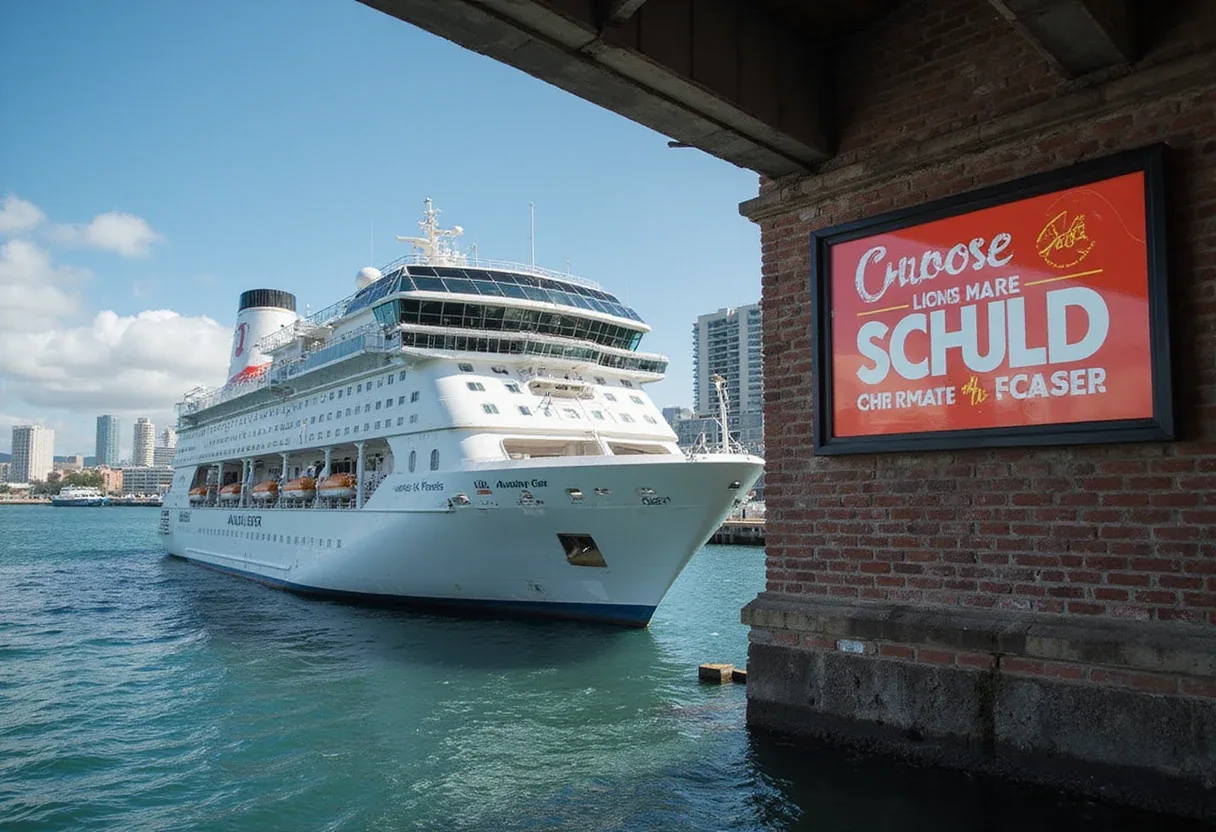
Itinerary
- Carnival is cutting its Australian-based fleet by half
- Fares in the market are set to rise following the capacity reduction
- The Mercury reports the fleet change; deployment dates and affected vessels are not yet specified
- Reduced supply is expected to tighten cabin availability for Australian cruise sellers
Carnival is halving its Australian fleet, and the company expects fares to rise as a result. That's the core of a report from The Mercury, and it's a capacity story before it's anything else: fewer ships, same demand, higher prices. Simple arithmetic, uncomfortable margins.
For agents and distributors selling cruise in the Australian market, the shift matters more than the headline suggests. Fleet reductions of this scale don't just trim inventory. They tighten availability on the most price-sensitive cabin categories first, which changes what sellers can quote and when.
What does a halved fleet actually do to pricing?
When a major operator removes half its capacity from a market, the remaining ships absorb demand that no longer has anywhere else to go. The Mercury reports that fares are set to rise — an expectation consistent with how cruise lines manage yield (revenue per berth) when supply shrinks against steady bookings.
The practical consequence for trade sellers is straightforward. Quote windows get shorter. Group allocations get scarcer. And the fare bump, when it lands, will hit the entry-level price points that drive volume through agency channels.
Why capacity cuts are a revenue decision
Cruise lines don't pull ships from a healthy market without a calculation behind it. Redeploying tonnage to higher-yielding regions, or retiring older vessels, typically signals that the operator sees better returns elsewhere. Carnival hasn't framed it as a retreat, and the reported fare increases suggest the opposite reading: less supply, more pricing power, same brand footprint.
It's a familiar playbook. Run fewer ships, sail them fuller, charge more per guest. The Mercury's report of rising fares fits that logic precisely.
What should Australian travel sellers watch next?
The immediate variables are timing and replacement. When the reductions take effect determines how much of the coming booking season sells at old prices versus new ones. Sellers with advance group business should re-check their allocations before the capacity gap bites.
The Mercury report doesn't specify deployment dates or which vessels leave the market, so treat the detail as pending. What's confirmed is direction: half the fleet out, fares up. Sellers who wait for the formal announcement may find the inventory already spoken for.
via Google News: Cruise industry (Source)
More from Daniel Okafor
Show full bio
Market editor covering technology and product news in Tourism industry coverage for trade professionals at Travel Trade Desk.
398 articles