TTDDESTT 834
Cabo Verde’s tourism boom meets a 300,000-visitor waste test
Eight large Boa Vista hotels generate more than 1 kilogram of waste per guest night, and Cabo Verde’s 2025 hotel arrivals rose 6%, raising operating and reputational costs for travel sellers.
Itinerary
- Boa Vista receives about 300,000 tourists annually against roughly 15,000 residents.
- Eight largest hotels represent about 2.2 million guest nights and generate more than 1 kilogram of waste per guest night.
- Cabo Verde’s accommodation establishments received 1,248,052 guests in 2025, up 6%, and recorded more than 6.1 million overnight stays.
- The UN-supported programme seeks about $20 million, with validated studies, financial models and pilot projects planned for 2027.
- Tourism-related businesses generate an estimated 81% of Boa Vista’s waste.
Boa Vista receives about 300,000 tourists annually despite roughly 15,000 residents, and its eight largest hotels generate more than 1 kilogram of waste per guest night. Waste disposal is now an operating-cost and reputation issue for travel sellers.
Can 300,000 visitors overwhelm Boa Vista?
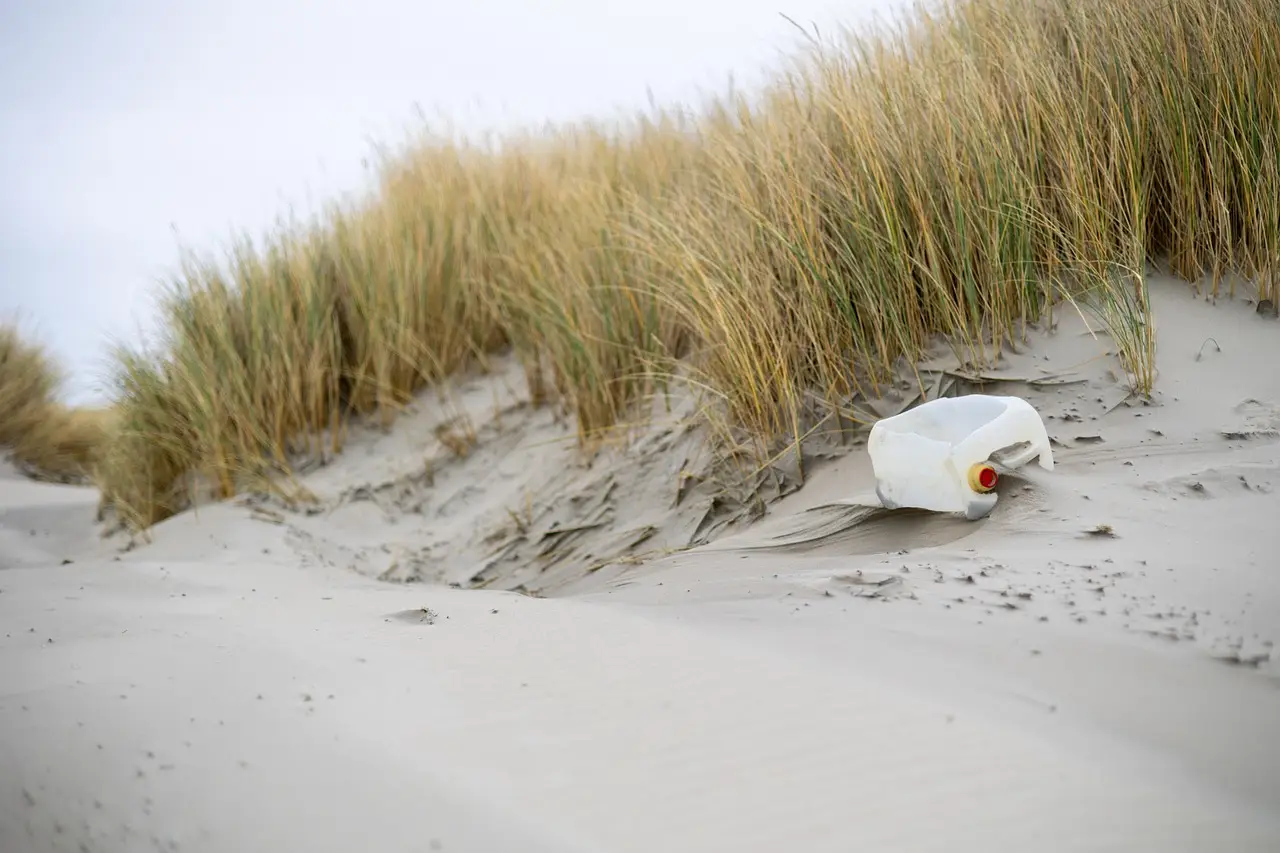
UN Resident Coordinator Atrícia Portela de Souza described a “striking contrast between tourism development and environmental vulnerability” after seeing broken glass, a local plastic-sorting initiative and a resort reducing waste. Plastic escapes into the environment, and an uncontrolled dumpsite receives tourism rubbish.
Coastal surveys in a Joint SDG Fund programme involving the Cabo Verdean government, Boa Vista municipality, UNIDO, UNEP and UN-Habitat found more than 2 tons of litter per surveyed coastal kilometre, about two-thirds plastic. The assessment covers eight hotels representing roughly 2.2 million guest nights annually and records more than 1 kilogram of waste per guest night; these are programme assessments, not independently audited national totals.
Takeaway: The waste threatens the beach product itself. For travel sellers, destination quality belongs in the operating model, not just the sales pitch.
Where does Cabo Verde’s tourism revenue come from?
National Statistics Institute data show accommodation establishments received 1,248,052 guests in 2025, up 6% from 2024, and logged more than 6.1 million overnight stays. Sal accounted for 57.7% of hotel guest arrivals and Boa Vista 24.4%, concentrating the hotel base in two islands.
UN-cited figures put tourism at roughly one-quarter of gross domestic product; it supports employment, foreign investment and businesses in a country with limited natural resources. Relatively short flights from Europe and reliable sunshine make Cabo Verde a northern-winter alternative to the Canary Islands.
The UK supplied 29.3% of nonresident hotel arrivals, followed by Portugal at 12.1%, Germany at 10.5% and France at 10.1%; shares vary by year and island. The 10 islands divide demand by product:
- Sal: Santa Maria beach resorts, restaurants, diving and kitesurfing.
- Boa Vista: sweeping dunes, quieter beaches and organized excursions.
- São Vicente: music and cultural tourism.
- Santo Antão: dramatic mountain landscapes and hiking.
- Santiago: history, local markets and the capital, Praia.
A growing selection of all-inclusive resorts gives families and winter-sun travelers predictable holiday costs. Praise for warm weather, expansive beaches, hospitality and a relaxed atmosphere sits alongside complaints about persistent wind, limited activities outside some resorts, uneven service, occasional gastrointestinal illness, poor conditions at some beaches or public spaces, and a gap between polished resorts and surrounding infrastructure.
These are recurring travel-commentary themes, not results of a systematic, current review analysis, and they do not describe every property or island. A 2024 national tourism survey nevertheless reported that 92.2% of visitors would recommend Cabo Verde and 82.2% intended to return, leaving little room for a visible decline in cleanliness or service.
Takeaway: Strong, concentrated demand gives hotels and package operators scale but little protection from a destination-level reputation shock. Long-term revenue depends on protecting what visitors came for.
Can a $20 million plan change the economics?
The UN programme, Building Public-Private Partnerships to Boost Circular Economy, aims to turn waste into economic value. Its measures include:
- cutting food waste and replacing disposable hotel amenities;
- adding refillable water systems and systems to return and reuse glass containers;
- connecting local recycling entrepreneurs with tourism businesses;
- improving working conditions for informal waste collectors and creating jobs for women and young people.
It seeks about $20 million in additional financing, backed by feasibility studies and public-private partnerships. The plan places validated studies, financial models and pilot projects in 2027, followed by infrastructure investment and implementation.
The $20 million is an ambition, not secured money. Binding commitments, operating infrastructure, enforcement and measurable pollution reductions will determine whether the plan changes hotel economics or merely creates another sustainability announcement.
Takeaway: The plan could lower disposal and procurement costs if it reaches hotels at scale. Until then, 2027 marks a planning milestone, not proof of cleaner waste systems.
Who should pay for the waste?
One proposal would introduce a waste collection fee to make management financially sustainable while protecting vulnerable residents. It asks whether large hotels and tour operators should bear more of the environmental cost generated by their guests.
Tourism-related businesses generate an estimated 81% of Boa Vista’s waste, strengthening the case for sector funding. The assessment provides no fee amount, launch date, payer mechanism or rule for passing costs into package prices, so sellers cannot yet model the margin effect.
Tourists have a role but little control over hotel procurement, packaging or municipal infrastructure. Fees also require effective collection, sorting facilities, recycling markets, transparent investment and public reporting on environmental performance.
Takeaway: A levy could raise resort operating costs, while weak collection shifts waste back into public space. It makes commercial sense only if enforcement and visible service improvements follow.
Can growth survive its own infrastructure?
Three peer destinations show versions of the same infrastructure strain. Their common problem is waste generated by visitors.
- Bali: intensive tourism has fed plastic pollution and damaged the destination’s environmental image; Indonesia is working to reduce it, with a September 2026 UNDP assessment examining Bali and other destinations.
- The Maldives: tourism-dependent luxury operations face severe space constraints, with waste transport, disposal, imported packaging and marine protection posing difficult logistical and financial challenges.
- Zanzibar: international resort expansion must keep pace with community waste collection, sanitation and environmental services.
Visitors consume resources and generate waste, while island governments manage the consequences with little space. Cabo Verde still has time to avoid the more damaging outcomes seen elsewhere.
The UN initiative could become a model for other islands only if studies and investment promises produce measurable results. Success must include beach cleanliness, ecosystem condition, resident welfare and local retention of tourism revenue, not merely occupancy, arrivals and new resorts.
Takeaway: The growth story will remain investable only if operators and governments show that waste volumes and pollution are falling. Otherwise, the environment drawing European travelers becomes the sector’s clearest long-term revenue risk.
via undp.org (Original)
More from Grace Kim
Show full bio
Correspondent covering money, funding and market shifts around Tourism industry coverage for trade professionals at Travel Trade Desk.
537 articles
Also boarding · Related articles
- PON15:21
Ponant Lifts Waste Recovery Rate From 13 to 49 Percent
- MAD02:54
Madeira Targets 82,000 Cruise Passengers in Record Year
- GBT03:04
GBTA Forecasts $1.71T in Global Business Travel Spend for 2026
- WTT14:44
WTTC Malta Panel Presses Destinations to Drop the Volume Game
- GBT01:00
GBTA Projects Global Business Travel Spend to Reach $1.71T in 2026