TTDOTATT 387
Breeze Bets on Underserved Routes, Not Airline Head-On Battles
Breeze Airways CEO David Neeleman says growth comes from creating demand on overlooked routes with nonstops and low trip costs, not from fighting majors.
Itinerary
- Breeze CEO David Neeleman presented at the Skift Aviation Forum in a session moderated by Skift's Gordon Smith
- Neeleman cited markets where passenger volumes multiplied after Breeze nonstop service began
- Breeze operates dedicated aircraft to transport maintenance crews and parts to prevent cancellations
- Neeleman outlined plans to participate in hospitality revenue generated by new air service
- The strategy targets underserved routes rather than competing with major carriers for existing passengers
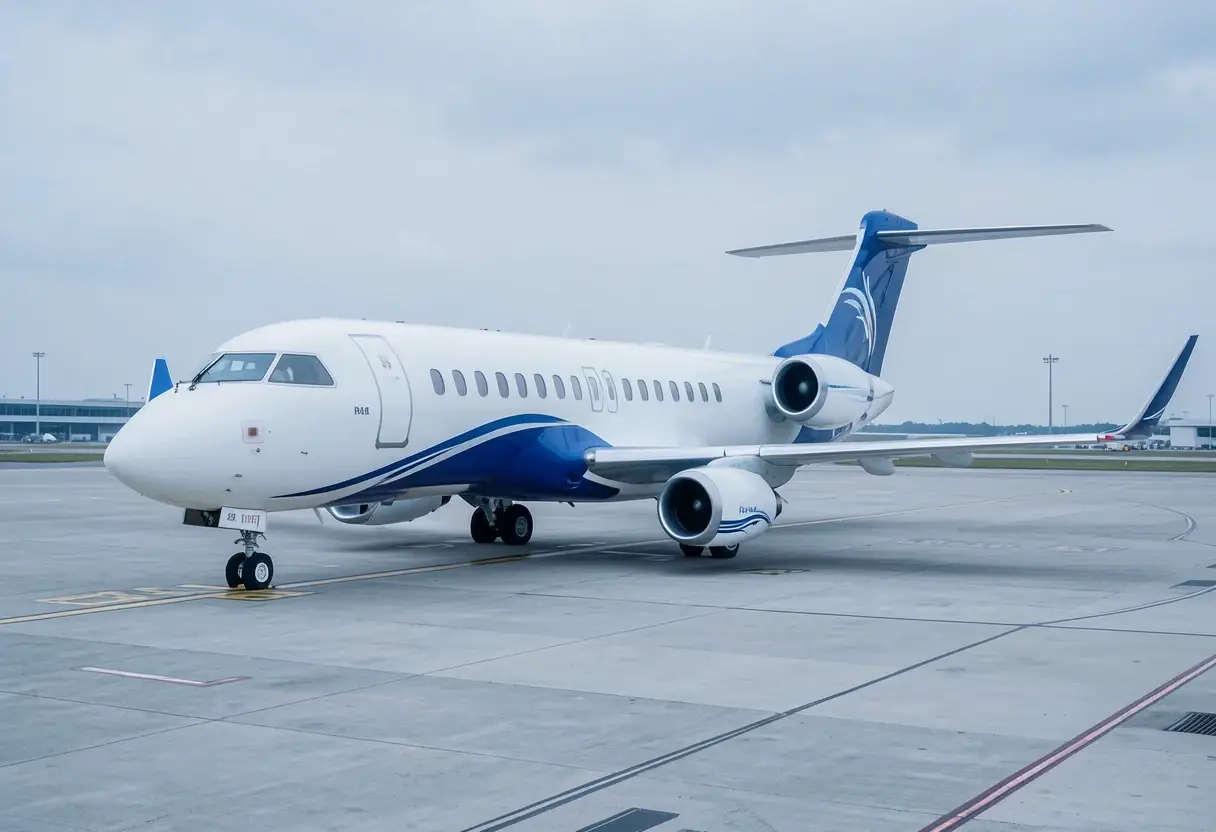
Breeze Airways is chasing growth not by stealing passengers from major carriers but by creating trips that didn't exist before — connecting underserved U.S. cities with nonstop flights the big airlines never bothered to fly.
At the Skift Aviation Forum, founder, chairman and CEO David Neeleman laid out the thesis in a session moderated by Skift airlines editor Gordon Smith: independent airlines can grow by stimulating demand in overlooked markets rather than competing for existing traffic. He cited markets where passenger volumes have multiplied after Breeze began service — though the session brief offered no specific route figures, so the claim stays a claim until route-level data backs it.
What's the cost logic?
Neeleman's argument hinges on a shift in how a route's economics get measured. He stressed trip costs over the industry's conventional per-seat comparisons. The formula: smaller aircraft, premium seating, and bundled services deployed on routes with limited existing demand.
That's a real distinction for sellers of travel. A bundled, premium-leaning product on a thin route means Breeze isn't chasing the lowest fare on every screen — it needs distribution and merchandising that sell the bundle, not just the base fare.
Why reliability is part of the pitch
On low-frequency routes, one cancellation can strand passengers for days, since there's no next flight in two hours. Breeze runs dedicated aircraft to move maintenance crews and replacement parts, an approach Neeleman said helps prevent cancellations where frequencies are scarce.
It's an operational expense justified by network design — and a hedge against the reputational damage that thin-schedule carriers are especially exposed to.
Where does revenue go beyond the ticket?
The more speculative piece: Neeleman discussed plans to participate in the hospitality and other economic activity that new air service generates. New routes bring hotels, restaurants and local spending; the airline carrying that traffic wants a cut.
No structure, timeline or partner names came with the idea. Until something concrete emerges, treat it as a pitch, not a plan.
The takeaway: Breeze's model — stimulate demand on ignored routes, keep trip costs low, protect reliability — works only if the new travel materializes at prices passengers will pay, and that's the number to watch.
via Skift (Source)
More from Grace Kim
Show full bio
Correspondent covering money, funding and market shifts around Tourism industry coverage for trade professionals at Travel Trade Desk.
547 articles
Also boarding · Related articles
- BRE03:09
Breeze Posts Four Profitable Quarters by Avoiding the Big Four's Turf
- WHE15:35
Wheels Up Bets on Fleet Simplification as Business Travel Resets
- CRU19:45
Cruise Package Prices Are Rising — and Sellers Should Care
- CRU24:38
Cruise Lines Are Copying Airline Playbooks on Fares
- AIR03:14
Air Demand Fell in August, IATA Monthly Data Shows