TTDTRATT 293
ASEAN and South Korea Target Payment Friction as Travel Barrier
ASEAN and South Korea panellists target cross-border QR payments, sustainability standards and licensing gaps as the levers for reducing travel friction.
Itinerary
- Cambodia's Bakong Tourist App lets visitors pay via local QR codes without a local bank account
- Thailand allows visitors from several Asian markets to pay through home banking apps
- TAT STARs is a voluntary sustainability rating aligned with the 17 UN SDGs
- South Korea enforces overcharging penalties including business suspensions and fines
- Thai QR expansion to small vendors is capped by Bank of Thailand transaction limits
Cross-border digital payments, not marketing budgets, took center stage as the main lever for cutting travel friction between ASEAN and South Korea, according to panellists at the ASEAN-Korea Roundtable in Tourism.
The session, titled Improving Systems to Address Tourist Inconvenience, focused on operational fixes rather than promotion. Officials from Cambodia, Thailand, Indonesia and the ASEAN-Korea Centre argued that payment interoperability, aligned sustainability standards and consumer protection now determine destination competitiveness as much as any campaign.
What's actually live on payments?
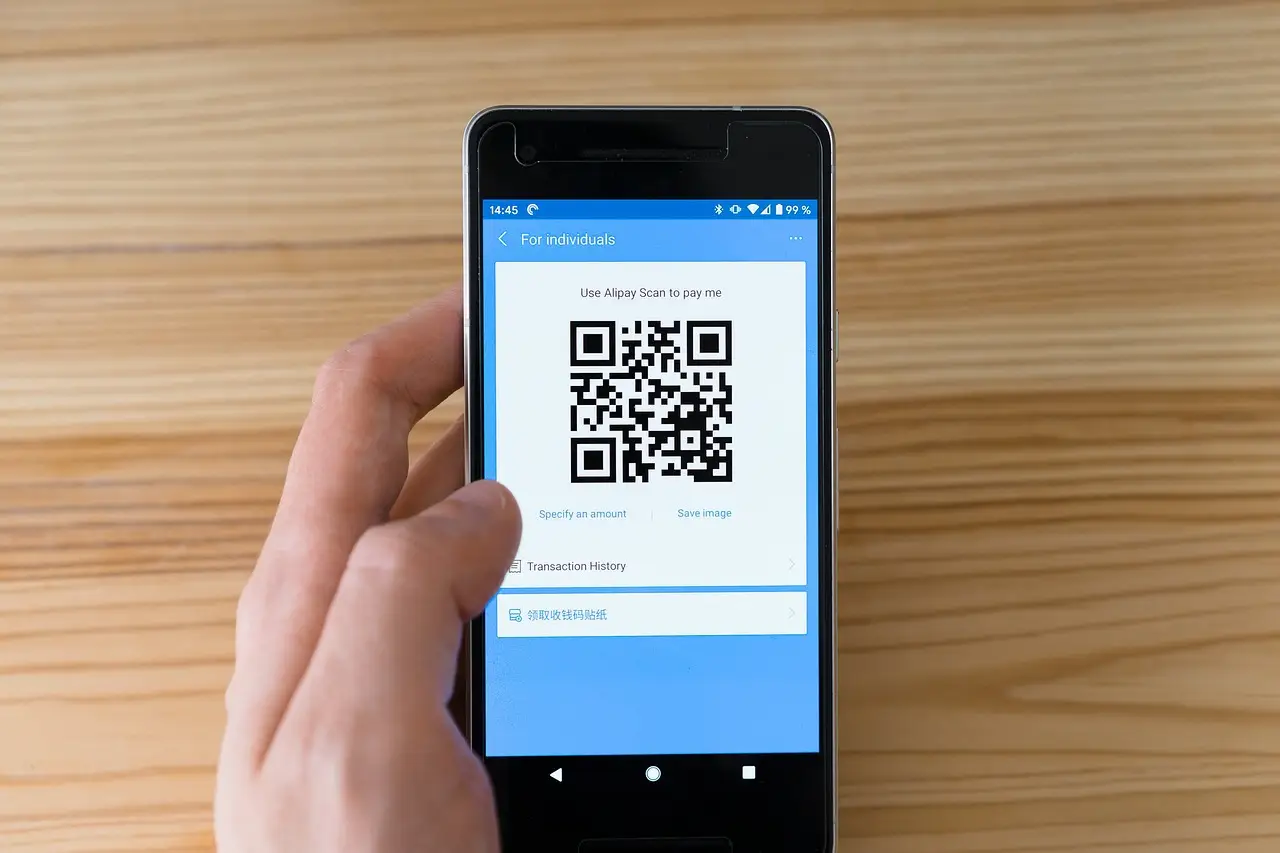
Cambodia's Bakong Tourist App lets foreign visitors link international payment cards and transact via local QR codes without opening a Cambodian bank account. That removes a real conversion point — the cash-exchange hurdle — for independent travelers.
"In the digital payment era, you no longer need to carry much cash with you (but) rely on digital payment," said Phyrum Manit, director of the International Cooperation and ASEAN Department at Cambodia's Ministry of Tourism.
Thailand has gone further, letting visitors from several Asian markets pay directly through their home banking apps. For sellers, that shifts spend away from card acquiring fees and currency desks toward local rails. Whether that translates into measurable merchant savings wasn't quantified.
TAT's Narin Tijayang, executive director of the Advertising and PR Department, framed payments as more than infrastructure: "It is not just a money-winning game; it is a marketing and digital tool that can guide sustainable tourism in the right direction."
Standards as a distribution play
Manit pointed to existing frameworks — the ASEAN Green Hotel Standard, ASEAN Community-Based Tourism Standard and ASEAN Clean Tourist City Standard — as the baseline for alignment. Thailand's TAT STARs programme adds a voluntary rating aligned with the 17 UN Sustainable Development Goals, with a concrete incentive: qualifying businesses get TAT marketing support. In plain terms, certification buys distribution.
South Korea's contribution came via enforcement. Christina Chan, head of the Culture and Tourism Unit at the ASEAN-Korea Centre, described penalties for overcharging that include mandatory business suspensions and hefty fines.
"There is zero tolerance for overcharging... Crucially, these laws are not built just for tourists, but for local citizens – when you protect consumer rights nationally, it automatically creates a convenient and safe environment for international travellers," she said.
Where the plans stall
The caveats came fast. Tijayang admitted QR payments stall at street level: transaction limits and registration requirements keep small vendors out. "Once they exceed specific transaction limits set with the Bank of Thailand, there is a ceiling for non-corporate retailers that we still have to figure out," he said.
Manit flagged cybersecurity as the other exposure in expanding cross-border networks: "We need to be very careful about hacking and ensure strong security across all our digital networks."
Session moderator Nia Niscaya, senior principal expert at Indonesia's Ministry of Tourism, raised a quieter problem — gaps between official tourism registries and OTA listings. She called for stronger enforcement of local licensing to ensure fair competition against unlicensed operators.
No timelines, funding figures or arrival targets were announced. The roundtable produced direction, not commitments, and the payment ceiling in Thailand remains unresolved business.
via ttgasia.com (Source)
More from Grace Kim
Show full bio
Correspondent covering money, funding and market shifts around Tourism industry coverage for trade professionals at Travel Trade Desk.
524 articles
Also boarding · Related articles
- VIE05:18
Vietnam's Online Travel Market to Double to $8B by 2030
- IND01:43
Indonesia's Online Travel Market Eyes $17 Billion Future
- CAM08:25
Cambodia Tourism Board Puts Money on the Table for Airline Marketing
- CAM21:38
Cambodia Courts Group Travel as GX Reporters Tour On Location
- TRA22:45
Travel by MoMo Taps Mobile Money to Sell Flights to Ugandans Without Visa Cards