TTDCRUTT 643
Antarctica21's Magellan Discoverer Targets Dec. 15 Air-Cruise Debut
Antarctica21's Magellan Discoverer, the first hybrid-electric ship purpose-built for Antarctic air-cruises, enters service Dec. 15 with 88 guests and 40 balcony cabins.
Itinerary
- Magellan Discoverer begins its first Antarctic air-cruise Dec. 15
- The 40-cabin ship carries up to 88 guests with a crew and expedition team of 67
- It is billed as the first hybrid-electric vessel with azimuthal propulsion built in the Americas
- Asenav in Chile built the ship; sister vessel Magellan Explorer followed in 2019
- Two-ship air-cruise operations begin in the 2026-27 season
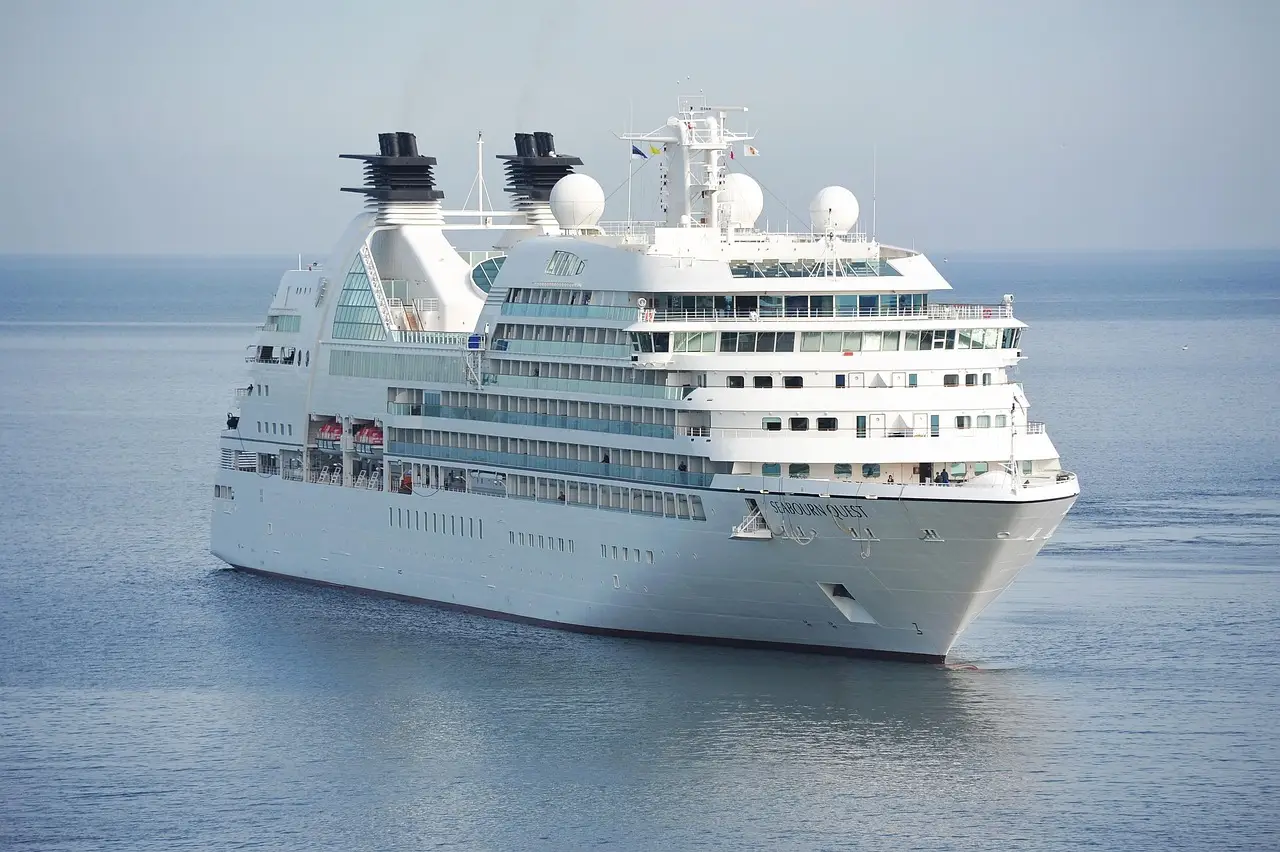
Antarctica21 will put its newest ship, Magellan Discoverer, into service on Dec. 15, and the vessel arrives with a claim worth scrutiny: the first hybrid-electric expedition ship purpose-built for Antarctic air-cruises. The naming took place in Punta Arenas, the Chilean gateway city where the operator runs its private expedition center, Explorers House.
The ship is the operator's second newbuild from Chilean yard Asenav, following Magellan Explorer in 2019. That lineage matters for sellers of high-latitude product. Antarctica21 pioneered the fly-sail model that skips the Drake Passage crossing, and adding a second purpose-built vessel roughly doubles the inventory in a segment where scarcity has kept prices high and cabins scarce.
For advisors, the capacity math is straightforward. Magellan Discoverer carries a maximum of 88 guests on air-cruises, supported by an expedition team and crew of 67 — nearly one crew member for every guest. All 40 cabins have private balconies, a spec that puts pressure on competitors still selling window-only categories at similar price points.
What does the hardware change for buyers?
The differentiator Antarctica21 is leading with is propulsion. The company says the ship is the first hybrid-electric vessel with azimuthal propulsion built in the Americas. The system pairs an ABB Onboard DC Grid, two ABB Azipod units, and a Corvus Energy battery storage system, managed by a power management system controlling the engines.
On battery power alone, the ship can navigate in near silence with zero emissions. Antarctica21 plans to use that mode during low-speed transits, approaches to landing sites, and maneuvers near wildlife. Two MAN main engines fitted with Selective Catalytic Reduction meet the IMO Tier III standard, and a heat-recovery system reuses residual energy to warm interiors and onboard water.
Take that with a measured view. Zero-emission running applies to specific low-speed scenarios, not full crossings — the diesel engines remain the workhorses for sustained transit. Still, silent approaches near landing sites are a genuine operational and marketing asset in a market where IAATO members face rising scrutiny of their footprint.
Who built it, and what's onboard?
Asenav built the hull in Chile, a point of national pride the CEO emphasized at the christening. "Antarctica21 was founded on the belief that there had to be a better way to reach and explore Antarctica, and that spirit still drives everything we build," said Verónica Peragallo, CEO of Antarctica21. She also credited the hundreds of people at Asenav, Antarctica21, and partner companies who carried the ship from drawing board to christening.
The onboard product leans boutique rather than mega-yacht:
- 40 cabins, each with a private balcony
- A dining room seating all guests at once, serving Chilean-inspired cuisine and premium Chilean wines
- A 360-degree walking deck and an accessible bow
- A sauna with wide windows onto the landscape
- Interiors by Tomas Tillberg Design, styled to echo Explorers House in Punta Arenas
When can agents sell it?
The first Antarctic air-cruise departs Dec. 15. Magellan Discoverer will then operate alongside Magellan Explorer starting in the 2026-27 season, giving Antarctica21 a two-ship fleet in the fly-sail niche it created.
For tour operators and advisors, the practical question is allocation. Two purpose-built ships in the air-cruise segment mean more balcony inventory at the top of the Antarctic market — but demand for fly-sail product has consistently outrun supply, so early 2026-27 space will likely move fast.
The Dec. 15 debut is confirmed; how quickly the fleet fills for the following season is the number to watch.
via seatrade-cruise.com (Source)
More from Grace Kim
Show full bio
Correspondent covering money, funding and market shifts around Tourism industry coverage for trade professionals at Travel Trade Desk.
518 articles
Also boarding · Related articles
- ANT02:50
Antarctica21's Magellan Discoverer Passes Sea Trials in South Atlantic
- ANT15:34
Antarctica21 Takes Delivery of Hybrid-Electric Magellan Discoverer
- ANT03:14
Antarctica21 Doubles Antarctic Capacity for 2026–27 With Magellan Discoverer Debut
- PON11:08
Ponant's Le Commandant Charcot Hits Five Years of Polar Deployment
- PON19:35
Ponant Opens Sales Logic for 2028-29 Antarctic Season: 12 Itineraries