Cruise Trade
Amazon Cruise Supply Expands as Manaus Grows More Urban
New Amazon cruises from CroisiEurope, Seabourn, Lindblad and Ponant-owned Aqua meet a projected 17,000 visitors in 2026-2027, while urbanizing Manaus tests premium remoteness.
Itinerary
- Amazonastur expects 17,000 visitors, including crew, in 2026-2027, 2.5 times the prior season.
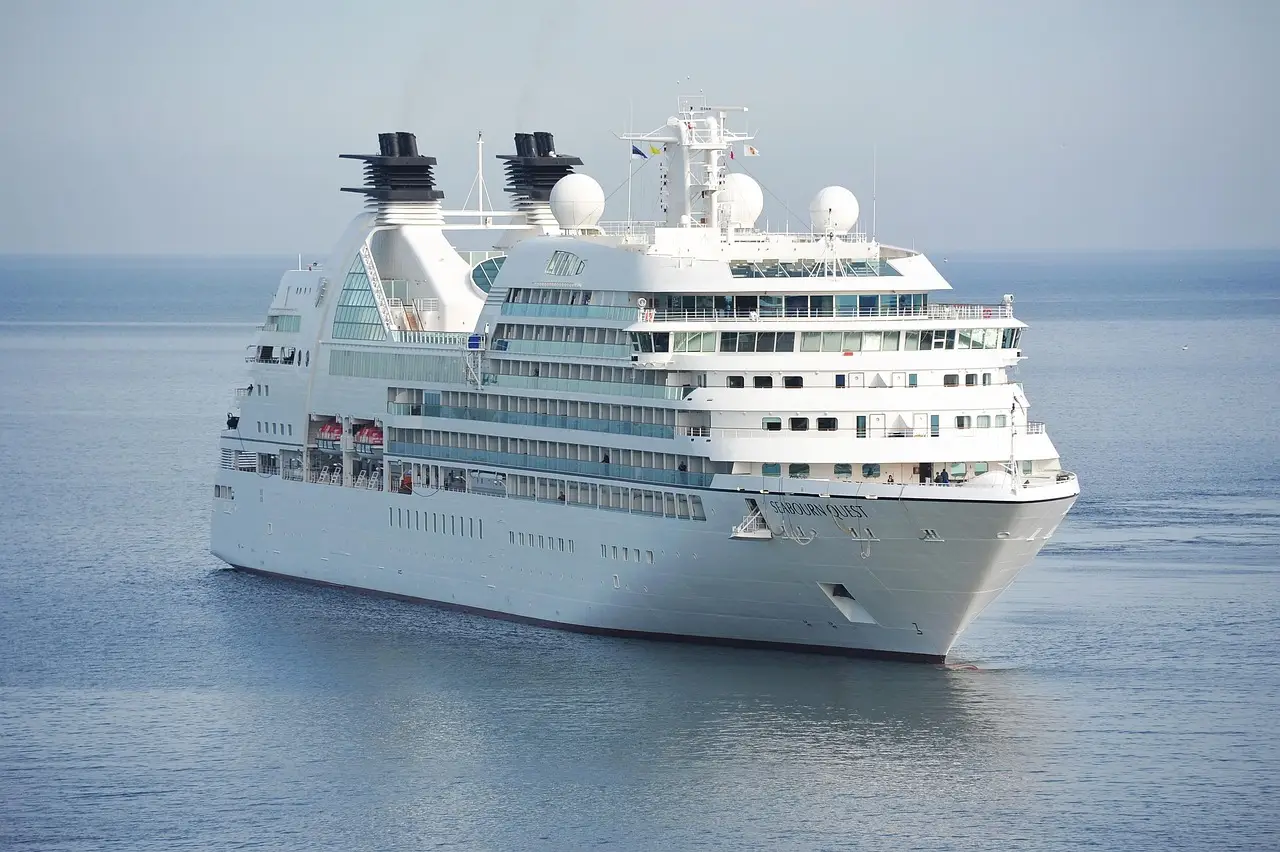
- CroisiEurope will debut Brazil-to-Colombia luxury cruises next year; Seabourn plans an Amazon sailing for 2028.
- Lindblad chartered a 42-guest ship this year, doubling its Amazon capacity.
- Ponant bought a majority stake in Aqua Expeditions, which runs Peruvian river cruises.
- Manaus's urban area grew from 3.7% in 1985 to 10.2% in 2021.
Amazonastur, the tourism agency in Brazil's Amazonas state, expects 17,000 visitors, including crew, across the 2026-2027 cruise season—2.5 times the previous season. Luxury Amazon trips are growing in popularity, but that forecast is not a bookings tally. It does not show how many passengers operators expect to sell or how much revenue travel sellers will earn.
How much new supply is coming?
- CroisiEurope will debut luxury cruises from Brazil to Colombia next year.
- Carnival Corporation’s Seabourn announced a new cruise featuring Amazon river sailing for 2028.
- Lindblad chartered a 42-guest ship to expand its Amazon presence this year, doubling capacity.
- Ponant bought a majority stake in Aqua Expeditions, which runs Peruvian river cruises.
The announcements broaden the bookable range from Brazil-to-Colombia itineraries to Amazon sailings and Peruvian river trips. For sellers, that can add bookable inventory and supplier choice. The announcements provide no fares, bookings, occupancy targets, channel mix or revenue forecasts, and no market-size or company-filing data accompanies them. More supply is visible; the sales payoff is not.
Can luxury survive the gateway?
Tour operators increasingly define luxury as access to remote locations and unique experiences. Tourism growth is applying pressure to that proposition as gateway cities spread, and lodges once sold as remote lose exclusivity when travelers can reach them by road.
Manaus illustrates the tension: its urban area grew from 3.7% in 1985 to 10.2% in 2021. The figures lack an explained denominator, so they cannot support a market-size calculation by themselves.
According to G Adventures, lodges outside Manaus that once felt remote are now reachable by car, with light pollution and fewer animals. G Adventures Vice President of Product Yves Marceau said operators must go farther, which costs more.
He told product builders to partner with lodges that are “way out there,” because “when you build tours, you have to futureproof.”
Going farther may protect the experience, but it also raises operating costs. For sellers, road-accessible day trips may generate volume while weakening the premium case for longer, boat-access journeys; no data shows which effect dominates. If the gateway feels urban, the journey may stop feeling exclusive.
Which operating model holds up?
Intrepid Travel favors a model that contrasts with G Adventures’ warning about gateway day tours. Peru General Manager Fernando Rodriguez said a higher-value, lower-volume model can work when managed responsibly, using small groups, community-owned businesses and boat-access lodges in protected buffer zones.
G Adventures warns that travelers staying in concrete gateway hubs for day tours will crowd the immediate area. Rodriguez’s approach is a pitch, not a measured result: no occupancy, yield, community-revenue or operating-cost comparison is provided.
For sellers, scarcity could support pricing, but protected access may cap volume and raise the costs Marceau described. A premium model therefore depends on whether travelers pay for distance, protected access and community ownership—not merely a longer itinerary. The strongest proposition is fewer guests and harder access, not a longer bus ride.
Who captures the distribution gains?
CroisiEurope, Seabourn, Lindblad and Ponant-owned Aqua Expeditions are all adding or expanding capacity, placing them in the same market for luxury travelers and the advisers who sell them. More inventory can widen an agency’s supplier roster and give sellers more departure choices.
But the available announcements give no dealer-commission changes, booking pace, market-share figures or revenue forecasts. Amazonastur’s 17,000 includes crew, so it cannot serve as a proxy for passenger demand or revenue.
Capacity growth also cuts against scarcity: farther lodges and protected zones can constrain volume even as cruise lines broaden distribution. Until companies disclose bookings or financial results, sellers should treat the forecast as a supply signal, not proof of a larger revenue pool.
Until then, sellers have more products to pitch, but no evidence that premium revenue or market share will rise. The 2026-2027 season will show whether added capacity converts into paid demand without eroding the remoteness operators promise.
via Skift (Source)
More from Grace Kim
Show full bio
Correspondent covering money, funding and market shifts around Tourism industry coverage for trade professionals at Travel Trade Desk.
631 articles
Also boarding · Related articles
- 05:08
Lindblad Buys Its Way Deeper Into Antarctica and Luxury
- 12:58
Aqua Expeditions CEO Lays Out the Small-Ship Line's Pitch
- 15:21
NCLH expands Brazil trade push ahead of 2027-28 return
- 15:57
AmaWaterways Hooks Machu Picchu Onto Colombia Cruises From 2027
- 05:19
Carnival Opens 300-Plus Port Canaveral Cruises for 2028-29